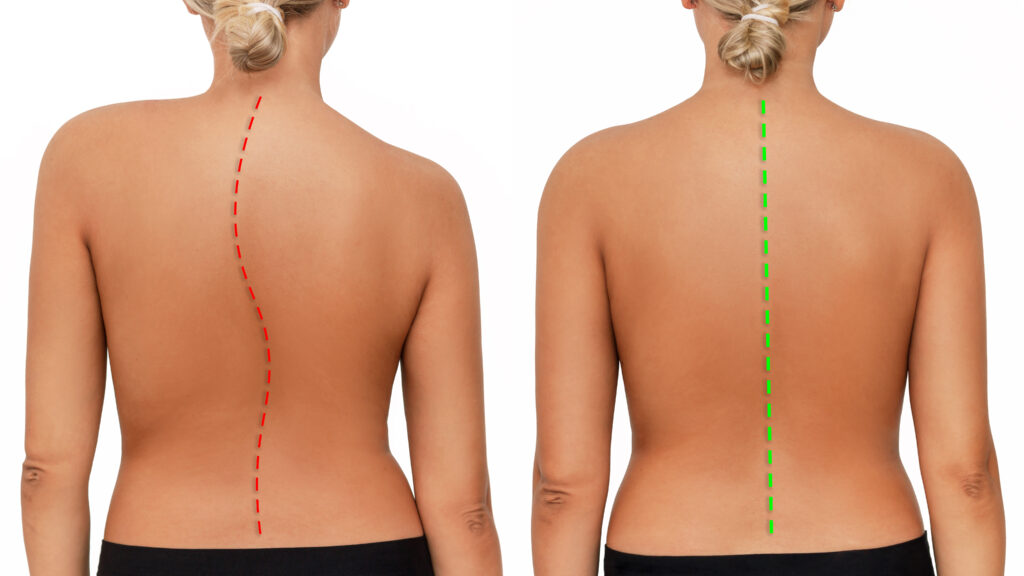
As your local chiropractor, I want to emphasize that preventing chronic pain begins with understanding your unique health profile. Many people are unaware of how factors like diet, mental well-being, and overall lifestyle can impact their susceptibility to pain. That's why I encourage you to take our quiz—it's a simple way to gain valuable insights into your personal health.
This brief assessment can help highlight areas where you might improve, allowing you to make informed decisions about your health. By understanding these factors, we can work together to identify specific changes that could significantly enhance your quality of life and help you avoid discomfort in the future. Let's delve into these possibilities and set you on a path toward better health and wellness through natural healing methods.
Understanding Chronic Pain
Chronic pain isn't just a symptom; it's a multifaceted condition that can significantly impact both your physical health and emotional well-being. As a chiropractor, I often see patients who find themselves caught in a seemingly endless cycle of discomfort. This persistent pain can arise from various sources, including injuries, underlying health issues, or even emotional stress. Understanding these contributing factors is crucial for effectively managing your pain.
Many people don't realize that chronic pain can affect more than just your body; it can also take a toll on your mood and daily activities. Feelings of frustration, anxiety, and depression may emerge, making it even more challenging to cope. It's essential to recognize the connection between your physical sensations and emotional responses. Interestingly, the brain plays a significant role in how we perceive pain, often amplifying sensations based on our emotional state, stress levels, and past experiences with pain.
It's vital to understand that chronic pain isn't solely a physical problem; it often encompasses psychological and social elements as well. Your relationships, work-life balance, and coping strategies all influence how you experience pain. By acknowledging this complexity, you can take informed steps toward managing your condition.
As a chiropractor, I encourage you to consider various approaches to regain control over your life. Chiropractic care can help address the underlying structural issues contributing to your pain, while also promoting overall wellness. Additionally, exploring physical therapy, engaging in mindfulness practices, and seeking professional support can all play important roles in your journey.
Take a moment to reflect on what chronic pain means for you and how natural healing methods, including chiropractic care, can help you address it effectively. Together, we can work towards improving your quality of life.
Importance of Prevention
As your local chiropractor, I want to emphasize the importance of prevention in managing chronic pain. Understanding the significance of proactive care can make a substantial difference in your overall health and well-being. By placing a focus on prevention, you can take effective steps to reduce your risk of developing chronic pain conditions.
When you prioritize prevention, you empower yourself to recognize the potential risk factors that may lead to chronic pain. This understanding allows you to make informed choices about your health. Simple actions, such as maintaining a healthy weight, staying active with regular physical exercises, and addressing any underlying issues promptly, can significantly impact your quality of life.
In addition to physical health, prevention promotes resilience. By learning about effective pain management techniques and coping strategies, you'll be better prepared to handle any pain flare-ups that may arise. This proactive approach not only helps manage your physical symptoms but also enhances your emotional and psychological well-being, alleviating feelings of helplessness or anxiety regarding the future.
Furthermore, preventing chronic pain isn't solely about individual health; it's also about building a supportive community. By sharing your experiences and knowledge with those around you, you can encourage others to take their health seriously. Together, we can create an environment that prioritizes well-being and nurtures healthy habits, benefiting everyone in our community.
If you're curious about how chiropractic care can play a role in your prevention strategy, I'm here to help guide you on your journey to better health.
Lifestyle Factors to Consider
As a local chiropractor, I want to emphasize the crucial role that your lifestyle choices play in preventing chronic pain.
Engaging in regular exercise and maintaining a mindful approach to nutrition can greatly influence how your body feels and functions. By prioritizing these aspects of your daily life, you can take proactive steps towards not only preventing pain but also enhancing your overall well-being.
Chiropractic care works hand-in-hand with these lifestyle factors, supporting your body's natural healing processes and helping you achieve a healthier, pain-free life.
Let's work together to create a plan that incorporates these essential elements for your health.
Exercise and Physical Activity
As a local chiropractor, I want to emphasize the vital connection between exercise, physical activity, and your overall health, especially in preventing chronic pain. Engaging in regular exercise is crucial for strengthening your muscles, improving flexibility, and enhancing balance—all of which are essential in minimizing the risk of injuries and pain.
Activities such as walking, swimming, or cycling aren't only great for elevating your heart rate but can also significantly elevate your mood. This is important, as stress and anxiety are often contributors to chronic pain. By incorporating these activities into your routine, you can help alleviate these factors.
To truly benefit from exercise, I recommend aiming for at least 150 minutes of moderate aerobic activity each week, alongside muscle-strengthening exercises on two or more days. There's no need to dive into intense workouts right away; it's perfectly fine to start slowly and gradually increase your intensity. Pay attention to your body; if you experience any discomfort, it's important to modify the activity or take a break.
Integrating physical activity into your daily life can be straightforward. Simple changes, like opting for the stairs instead of the elevator or taking a brisk walk during your lunch break, can make a significant difference.
Nutrition and Diet Choices
As a local chiropractor, I want to emphasize how crucial nutrition and diet choices are for your overall health, particularly in relation to chronic pain. The food you eat can significantly influence inflammation levels in your body, which is a common factor in many pain conditions.
Incorporating a balanced diet filled with whole foods, including plenty of fruits, vegetables, lean proteins, and healthy fats, can be a powerful way to help manage inflammation. I recommend focusing on anti-inflammatory foods such as berries, leafy greens, and fatty fish, as these can support your body in reducing pain.
Equally important is to steer clear of processed foods, sugars, and trans fats. These items can increase inflammation and discomfort, making your symptoms worse.
Also, don't forget the importance of hydration; drinking sufficient water is essential for maintaining joint lubrication and overall body function, which can also influence your pain levels.
It's also wise to pay attention to your portion sizes. Overeating can lead to weight gain, which may put additional stress on your joints and exacerbate pain symptoms.
If you're uncertain about how to start making these dietary changes, I encourage you to consult a nutritionist. They can help create a personalized diet plan that aligns with your health needs.
By making thoughtful food choices, you can take an active role in managing your health and reducing your risk of chronic pain.
The Quiz: What to Expect
Taking the quiz on chronic pain prevention can be an enlightening experience, especially for those new to chiropractic care and natural healing. As your local chiropractor, I encourage you to explore how various aspects of your lifestyle, health, and habits can influence your pain levels.
This quiz is designed to help you identify potential risk factors and understand how your choices could affect your well-being in the future. As you start, you'll encounter a combination of multiple-choice questions and short answer prompts. These will ask about your daily activities, exercise routines, sleep patterns, and even your stress levels.
The goal is to capture a comprehensive view of your current health status. Rest assured, your responses are confidential and will be used solely to help you gain insights into your pain risk.
Nutrition plays a crucial role in how our bodies respond to inflammation and pain, so you'll find questions related to your diet as well. Reflecting on your eating habits and any dietary preferences will help you see how they may be contributing to your overall health.
Additionally, the quiz will prompt you to consider your mental health. Chronic pain often has psychological components, and understanding your emotional well-being is vital for a holistic approach to healing.
Completing the quiz should take about 10-15 minutes, allowing you sufficient time to think through your answers. I encourage you to be honest; the more accurate your responses, the more valuable the insights you'll gain.
Analyzing Your Results
As your local chiropractor, I want to take a moment to guide you through analyzing the results of your quiz. This is an important step in understanding your pain risk factors, as it can illuminate specific areas to focus on for prevention and overall wellness.
By recognizing these factors, we can work together to develop effective strategies that may help reduce your chances of experiencing chronic pain in the future.
In chiropractic care, we emphasize the significance of a holistic approach to health, which includes proper alignment, posture, and lifestyle choices.
Let's delve into some natural healing techniques and preventative measures that can support your body in maintaining optimal function and well-being.
Your journey to a pain-free life starts with knowledge and proactive steps, and I'm here to help you every step of the way.
Understanding Pain Risk Factors
As a local chiropractor dedicated to your health and well-being, I want to help you understand the different factors that can contribute to chronic pain. Identifying these pain risk factors is essential in our journey toward natural healing and overall wellness.
By recognizing these elements in your life, we can work together to create an effective plan to reduce potential risks. Here are four key factors to consider:
1. Genetics: Your family history can significantly impact your pain experiences. If chronic pain is common in your family, it's important to be aware that you might be more prone to similar issues. Understanding this can help us tailor your care approach.
2. Lifestyle: Your daily habits play a crucial role in how you feel. Factors such as your diet, physical activity levels, and sleep patterns can all influence your pain levels.
For example, a sedentary lifestyle is often linked to increased discomfort. We can discuss ways to incorporate healthier habits that promote healing.
3. Mental Health: Emotional well-being is closely tied to physical pain. Conditions like anxiety and depression can make you more sensitive to pain.
It's vital to address mental health as part of your overall treatment plan. Together, we can explore strategies to support both your mental and physical health.
4. Previous Injuries: If you've had past injuries, they may continue to affect you long after the initial trauma has healed.
It's important to acknowledge how previous experiences can lead to long-term pain issues. We can work on rehabilitation strategies to help you regain strength and mobility.
By understanding these factors, we can take proactive steps to enhance your healing process and improve your quality of life.
Together, we can explore natural methods that support your body's innate ability to heal itself.
Strategies for Pain Prevention
As your local chiropractor, I want to help you understand how to effectively manage and prevent pain through natural strategies. When assessing your personal pain risk factors, it's essential to adopt targeted approaches that can significantly improve your well-being.
First, let's talk about the importance of physical activity. Engaging in regular exercise not only strengthens your muscles but also enhances flexibility, which can dramatically lower your chances of experiencing chronic pain. I recommend a well-rounded routine that includes strength training, aerobic exercises, and stretching. This balanced approach can support your body in staying resilient against pain.
Next, let's address posture and ergonomics. Whether you're working at a desk or lifting heavy items, maintaining proper posture is crucial to preventing unnecessary strain on your body. If you spend long hours seated, consider investing in ergonomic furniture or tools that promote better alignment and support.
It's also important to recognize the connection between stress and pain. Chronic stress can heighten your sensitivity to pain, so incorporating stress management techniques into your daily life is essential. I suggest practices such as mindfulness, meditation, or yoga, which can help you find relaxation and mitigate stress effectively.
Finally, don't overlook the significance of good sleep hygiene. Quality sleep is fundamental for healing and overall health. Aim to create a calm and restful environment, establish a consistent bedtime routine, and strive for 7-9 hours of restful sleep each night. This won't only support your physical recovery but also enhance your mental clarity and emotional resilience.
Tips for Pain Prevention
As a local chiropractor dedicated to helping my patients understand the benefits of chiropractic care and natural healing, I want to share some simple strategies that can significantly reduce your risk of developing chronic pain.
By integrating these tips into your daily life, you can support your body and cultivate a healthier lifestyle. Here are four effective recommendations to consider:
1. Stay Active: Engaging in regular physical activity is vital for strengthening your muscles and enhancing flexibility. Aim for at least 30 minutes of moderate exercise on most days of the week.
You don't have to join a gym; activities such as walking, swimming, or even dancing can provide remarkable benefits for your overall health.
2. Practice Good Posture: Being conscious of your posture is crucial in preventing unnecessary strain on your muscles and joints.
When seated, ensure your feet are flat on the floor, your shoulders are relaxed, and your back remains straight. If you work at a desk, an ergonomically designed workstation can make a significant difference in reducing discomfort.
3. Manage Stress: It's important to recognize that chronic stress can lead to muscle tension and pain.
I encourage you to incorporate relaxation techniques into your daily routine, such as deep breathing, meditation, or yoga. Even taking short breaks throughout the day to clear your mind can contribute to your overall well-being.
4. Maintain a Healthy Weight: Carrying excess weight can place additional strain on your joints, particularly in areas like the knees and hips.
Eating a balanced diet and staying active are key factors in maintaining a healthy weight, which in turn can help reduce your risk of pain.
By following these tips, you can enhance your overall wellness and potentially prevent chronic pain from developing.
Resources for Further Support
Supporting your journey towards pain prevention goes beyond just lifestyle changes; it's about tapping into the wealth of resources available to you. As your local chiropractor, I encourage you to explore various platforms that can keep you informed and motivated on your path to wellness. Websites like the American Chronic Pain Association (ACPA) and the National Institutes of Health (NIH) provide valuable information on chronic pain management, research updates, and practical tips for daily living.
Consider also the importance of community. Joining local support groups can be incredibly beneficial. Connecting with others who understand your challenges can offer both emotional support and practical advice. Many communities host organizations that facilitate regular meetings, workshops, or events focused on pain prevention and management—an excellent way to learn and share experiences.
In addition to community support, the guidance of professionals like chiropractors, physical therapists, and pain specialists can be invaluable. We can help develop personalized strategies that enhance your physical abilities and reduce discomfort. If you're unsure where to start, I recommend discussing your needs with your primary care physician, who can refer you to specialists in pain management, including chiropractic care.
For those looking to deepen their understanding of pain prevention techniques, mindfulness, and cognitive behavioral therapy, there are numerous books and online courses available. These resources can provide you with practical tools to actively manage your pain and improve your overall well-being.
Lastly, I encourage you to consider mobile apps designed to track your symptoms, mood, and daily activities. These tools can help you identify patterns and gain insights into what works best for you in managing your pain.
Conclusion
As a local chiropractor, I invite you to take our quiz as a pivotal step in understanding and preventing chronic pain. This quiz will provide you with valuable insights into your health and highlight areas where you might enhance your well-being. It's important to recognize that even small adjustments to your lifestyle can yield considerable improvements in your overall health.
This is a great opportunity to invest in your well-being and elevate your quality of life. Don't hesitate—begin your journey today and learn how proactive choices, including chiropractic care, can contribute to a pain-free existence. A healthier future is within your reach, and I'm here to guide you every step of the way!