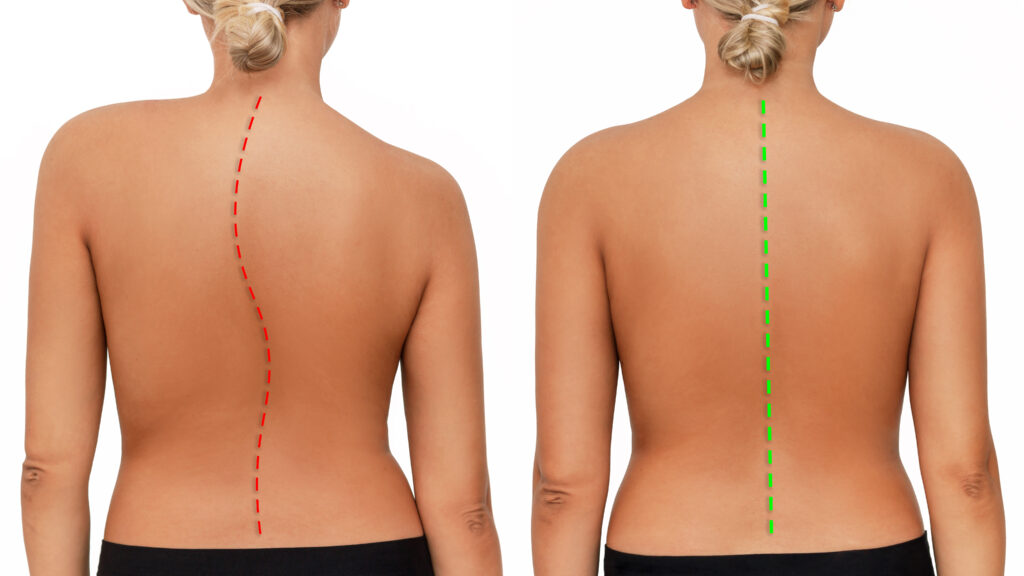
If you're experiencing sports-related back pain, know that you're not alone, and there are effective treatments available to help you feel better. As a local chiropractor, I want to emphasize the benefits of chiropractic care in alleviating discomfort and improving your mobility. Many patients find relief through targeted adjustments, which can address misalignments and tension in the spine.
Additionally, massage therapy can complement chiropractic treatment by relaxing tight muscles and enhancing blood flow. Techniques like acupuncture and the use of ice or heat therapy can also provide significant relief. It's essential to incorporate regular stretching and strengthening exercises into your routine, as these can play a crucial role in your recovery and long-term health.
Are you curious about which treatments might be most beneficial for your specific situation? Let's discuss the top options available to you, so you can get back to enjoying the activities you love without the burden of pain.
Physical Therapy
When it comes to addressing sports-related back pain, chiropractic care often emerges as a highly effective solution. A personalized chiropractic treatment plan can help you tackle your specific pain issues, enhance your spinal health, and improve your overall mobility. As your chiropractor, I'll assess your condition and create a tailored approach that focuses on your individual needs.
In our sessions, you can expect a combination of spinal adjustments, therapeutic exercises, and lifestyle advice. These adjustments are essential, as they not only help alleviate pain but also prevent future injuries. By improving spinal alignment, we can enhance your core strength, increase flexibility, and support better posture—all crucial for athletes like you who place significant stress on their backs during training and competition.
As you progress in your treatment, I'll educate you on proper body mechanics and movement patterns. This knowledge is vital for avoiding unnecessary strain on your back while engaging in sports activities. Additionally, chiropractic care may incorporate modalities such as heat, ice, or ultrasound therapy to further alleviate pain and reduce inflammation.
Regular visits to the clinic will keep you accountable and motivated, ensuring you stay on the path to recovery. Don't underestimate the value of professional guidance; I'll monitor your progress and make necessary adjustments to your treatment plan.
With dedication and consistency, you'll likely find that chiropractic care can significantly reduce your sports-related back pain, allowing you to return to your favorite activities with renewed confidence.
Chiropractic Care
As a local chiropractor, I want to share how chiropractic care can be an effective solution for sports-related back pain. Many individuals experience discomfort that can hinder their mobility and performance, but with the right treatment, you can regain your strength and flexibility.
Through various adjustment techniques, I focus on the specific areas that may be causing your pain. These adjustments not only alleviate discomfort but also promote natural healing within your body.
Understanding the benefits of chiropractic care empowers you to take control of your health and make informed decisions about your treatment options. If you're curious about how we can work together to improve your well-being, I'm here to help!
Benefits of Chiropractic Adjustments
As your local chiropractor, I want to share how chiropractic adjustments can be a transformative solution for those experiencing sports-related back pain. Many athletes, whether professional or recreational, often face the challenge of back pain, and chiropractic care can play a crucial role in your recovery journey.
Chiropractic adjustments focus on restoring proper alignment to your spine, which is essential for your body to function optimally. When your spine is correctly aligned, you may notice a significant reduction in pain, improved mobility, and even a boost in your athletic performance. It's about optimizing your body's natural ability to heal and perform.
Using hands-on techniques, I manipulate your spine and surrounding joints to relieve pressure on nerves, reduce inflammation, and enhance circulation. This approach not only helps alleviate your current discomfort but can also lead to quicker healing times and an overall improvement in your wellness.
Prevention is a key aspect of chiropractic care. By making regular visits to my office, we can identify and address potential issues before they develop into more serious problems. This proactive strategy can help you stay active in your sport longer while minimizing the risk of future injuries.
Additionally, chiropractic adjustments can work alongside other treatments, such as physical therapy, to create a comprehensive and holistic approach to your recovery. By choosing chiropractic care, you're taking an essential step toward effectively managing your sports-related back pain and getting back to the activities you love.
I encourage you to explore the benefits of chiropractic adjustments and how they can help you achieve optimal health and performance.
Techniques for Pain Relief
As a local chiropractor, I want to take a moment to educate you about the various techniques we use to help relieve pain, especially if you're experiencing sports-related back pain.
Chiropractic care is a holistic approach that focuses on natural healing, and it's important to understand the methods we employ to support your recovery. Here are three key techniques you might encounter during your treatment with me:
- Spinal Manipulation: This technique is fundamental to chiropractic care. I apply controlled force to specific joints to help restore their proper alignment and mobility. By doing so, we can significantly reduce pain and inflammation, allowing your body to function more effectively.
- Soft Tissue Therapy: In addition to spinal adjustments, I also focus on the muscles and connective tissues surrounding your spine. Through techniques such as massage and stretching, I can relieve tension, enhance blood flow, and promote healing in the affected areas.
- Rehabilitative Exercises: To further support your recovery, I may prescribe tailored exercises designed to strengthen your back and core. These exercises aren't only crucial for preventing future injuries but also play a vital role in enhancing your overall athletic performance.
These techniques work together harmoniously to alleviate pain, promote healing, and improve your overall function.
If you're struggling with sports-related back pain, I encourage you to consider incorporating chiropractic care into your treatment plan. It's a proactive step that can significantly aid in your recovery and help you maintain an active lifestyle.
Together, we can work towards your health and wellness goals!
Massage Therapy
As a local chiropractor, I want to share how effective massage therapy can be for those recovering from sports-related back pain.
Many individuals may not realize that there are specific techniques tailored to address your unique needs, which can significantly alleviate tension and support the healing process.
Integrating massage therapy into your recovery plan can't only enhance your healing but also boost your overall athletic performance.
It's an essential component of natural healing that works hand-in-hand with chiropractic care, promoting a healthier spine and body.
If you're curious about how this can fit into your wellness routine, I'm here to help guide you on your journey to recovery.
Types of Massage Techniques
As a local chiropractor dedicated to helping you understand the benefits of natural healing, I want to introduce you to some effective massage techniques that can significantly alleviate sports-related back pain.
Each technique is designed to meet different needs and preferences, and I encourage you to explore these options:
1. Deep Tissue Massage: This approach focuses on the deeper layers of muscle and connective tissue. It's particularly beneficial for relieving chronic tension and pain, especially in areas that feel tight or knotted.
By addressing these deeper layers, we can enhance your overall healing process.
2. Sports Massage: Tailored specifically for athletes, sports massage is ideal for targeting areas of the body that experience overuse and stress from repetitive movements.
This technique not only helps prepare your muscles for optimal performance but also aids in reducing soreness after physical activities.
It's an excellent complement to chiropractic care, promoting recovery and flexibility.
3. Trigger Point Therapy: This method zeroes in on specific points in the muscle that may be causing pain in other parts of your body.
By applying targeted pressure to these trigger points, we can release built-up tension and improve your overall mobility.
This can be particularly useful in conjunction with chiropractic adjustments.
Choosing the right massage technique can significantly enhance your treatment experience.
Whether your goal is relaxation, pain relief, or improved athletic performance, there's a massage style that can support your healing journey.
I encourage you to consult with me or another professional therapist to determine the best approach tailored to your unique situation.
Benefits for Athletes' Recovery
As a local chiropractor, I want to share how incorporating massage therapy into your recovery routine can significantly benefit your overall health and performance, especially if you're an athlete.
Many people think of massage simply as a way to relax, but it goes much deeper than that. Massage therapy effectively enhances blood circulation, which is crucial for delivering essential nutrients to your muscles. This process not only speeds up healing from soft tissue injuries but also helps reduce muscle tension and alleviate pain.
By regularly engaging in massage therapy, you'll notice an improvement in your flexibility, a key factor in injury prevention. Tight muscles can hinder your range of motion, making it more likely for injuries to occur during physical activity. A good massage can help keep your muscles limber and ready for action.
Additionally, we can't overlook the mental benefits of massage therapy. The stress and anxiety that often accompany athletic training can impact your focus and performance. Massage provides a calming effect that can help clear your mind, enhancing your mental clarity and concentration during both training sessions and competitions.
Establishing a consistent massage schedule can also create a proactive approach to your recovery. Instead of waiting for injuries to arise, regular sessions can help prevent them before they become an issue.
Acupuncture
As a local chiropractor, I want to share the benefits of acupuncture, an ancient practice rooted in Traditional Chinese Medicine, which can be a valuable part of your journey to alleviate sports-related back pain.
Acupuncture involves the insertion of thin needles at specific points on your body to help restore balance and promote natural healing. Many athletes have found relief and enhanced recovery through this holistic approach.
Here's how acupuncture can be beneficial for you:
- Pain Reduction: The acupuncture needles stimulate your body's natural painkillers, known as endorphins. This process can lead to significant pain relief, enabling you to return to your training routine with less discomfort.
- Improved Circulation: Acupuncture enhances blood flow to the areas in pain, facilitating the delivery of essential nutrients and oxygen. This improved circulation aids in speeding up the healing process, allowing you to recover more quickly from injuries.
- Muscle Relaxation: Acupuncture is effective in relaxing tense muscles, which is especially helpful for athletes experiencing tightness or spasms in their back. When your muscles are relaxed, you can maintain proper form during physical activities, reducing the risk of further injuries.
If you're considering acupuncture as part of your recovery plan, I recommend consulting a licensed practitioner who specializes in sports injuries.
They can customize the treatment to meet your individual needs, ultimately enhancing your overall athletic performance and well-being.
Incorporating acupuncture into your routine may be the key to staying active and pain-free as you pursue your athletic goals.
Ice and Heat Therapy
As a local chiropractor, I often see patients suffering from sports-related back pain, and I want to share how ice and heat therapy can significantly aid in your recovery. Understanding the right application of these therapies can make a notable difference in alleviating your discomfort.
Let's begin with ice therapy. If you've recently sustained an injury, applying ice to the affected area within the first 48 hours is crucial. Ice therapy works by reducing inflammation and numbing sharp pain. I recommend using an ice pack wrapped in a towel for about 15-20 minutes. This technique constricts blood vessels, which helps limit swelling and provides immediate relief.
Just remember to give your skin a break between applications to avoid frostbite.
Once the initial inflammation has gone down, heat therapy can be a fantastic next step. Applying a heating pad or warm compress helps relax tight muscles and enhances blood flow to the area. This increased circulation is essential for the healing process, as it delivers vital nutrients and oxygen to the damaged tissues.
Again, aim for about 15-20 minutes of heat application, ensuring it's warm but not scalding.
Another effective strategy is to alternate between ice and heat therapy. Start with ice to manage inflammation, and then switch to heat to promote healing and relieve muscle tension. It's essential to listen to your body; if you find that one method feels more beneficial, feel free to stick with it.
Incorporating both ice and heat therapy into your recovery plan can play a crucial role in overcoming sports-related back pain. By understanding and applying these techniques, you can enhance your healing process and get back to the activities you love more quickly.
If you have any questions or need further guidance, don't hesitate to reach out during your next visit!
Pain Relief Medications
As a local chiropractor, I often see patients suffering from sports-related back pain. While ice and heat therapy can offer some relief, there are times when more targeted pain relief is needed. Pain relief medications can play a role in managing discomfort and helping you return to your activities more swiftly.
Here's a look at some common options:
- Nonsteroidal Anti-Inflammatory Drugs (NSAIDs): Many of my patients find relief with over-the-counter options like ibuprofen and naproxen. These medications can help reduce inflammation and alleviate pain, making them a popular first choice for mild to moderate back pain.
- Acetaminophen: If NSAIDs aren't suitable for you or if you prefer a gentler option, acetaminophen can be a good alternative. It effectively reduces pain without the anti-inflammatory properties, making it a safer choice for individuals with certain health conditions.
- Prescription Medications: For those experiencing more severe pain, I may recommend that you discuss the possibility of prescription medications with your healthcare provider. Options like muscle relaxants or opioids can manage intense pain, but they come with increased risks of side effects and dependency. Therefore, it's crucial to use these under strict medical supervision.
It's important to remember that while pain relief medications can help alleviate your discomfort, they should be part of a comprehensive treatment plan.
As a chiropractor, I emphasize the significance of addressing the underlying causes of your pain through natural healing methods. Always consult with your healthcare provider to find the most suitable option for your unique situation, and together, let's work towards your long-term recovery and well-being.
Stretching and Strengthening Exercises
As a local chiropractor, I want to emphasize the importance of incorporating regular stretching and strengthening exercises into your routine, especially if you're recovering from sports-related back pain. These exercises are crucial not only for improving flexibility but also for building the muscles that support your spine, which can significantly reduce the risk of future injuries.
Let's start with gentle stretches that target key areas such as your back, hamstrings, and hip flexors. For example, the cat-cow stretch and child's pose are two excellent stretches that can help alleviate tension in your spine. Aim to hold each stretch for 15 to 30 seconds, and remember to breathe deeply to promote relaxation.
In addition to stretching, strengthening exercises are vital for your recovery. It's essential to focus on your core muscles, as they provide the necessary support for your back. Exercises such as planks, bridges, and bird-dogs effectively target these areas. I recommend aiming for two to three sets of 10 to 15 repetitions, gradually increasing the intensity as your strength improves.
Listening to your body is crucial during these exercises. If you feel pain, I advise you to stop and consult with a healthcare professional, such as myself, before proceeding. It's important to avoid aggravating any injuries while you're on your path to healing.
Consistency is key; aim to include these exercises in your routine at least three times a week for optimal results. Don't forget the importance of warming up before you begin and cooling down afterward, as these practices can further enhance your recovery process.
Posture Correction
As a local chiropractor dedicated to helping you achieve optimal health, I want to highlight the crucial role of posture correction in managing sports-related back pain. Proper posture not only alleviates existing discomfort but also serves as a preventive measure against future injuries.
By being mindful of your posture during everyday activities and sports, you can significantly reduce strain on your back and enhance your overall well-being.
Here are three essential strategies for effective posture correction that I recommend to my patients:
1. Awareness: First and foremost, cultivate awareness of your posture throughout your daily routine. Take a moment to check in with yourself while sitting, standing, or participating in sports. Are your shoulders rounded or your back curved? Making small adjustments to these habits can lead to significant improvements in how you feel.
2. Ergonomics: It's important to ensure that your workspace and sports equipment are conducive to good posture. I encourage you to adjust your chair, desk, and computer setup to promote a neutral spine position.
In addition, when engaging in sports, choose equipment that supports proper alignment, such as well-fitted shoes or a correctly sized bike.
3. Core Engagement: Building a strong core is vital for maintaining good posture. I recommend focusing on exercises that strengthen your abdominal and lower back muscles.
A robust core acts as a support system for your spine, enabling you to maintain an upright position, whether you're on the field or working at your desk.
By integrating these strategies into your daily life, you can enhance your posture, relieve back pain, and prevent future injuries.
If you have any questions or need personalized guidance, feel free to reach out—I'm here to help you on your journey to better health!
Rest and Recovery
As a local chiropractor, I want to emphasize the importance of rest when you're experiencing sports-related back pain.
Adequate rest is crucial for your recovery process. However, it's also beneficial to incorporate active recovery techniques that keep your body engaged while facilitating healing.
Striking a balance between rest and gentle movement can significantly enhance your overall recovery progress.
Importance of Adequate Rest
As a local chiropractor, I want to emphasize the critical role that adequate rest plays in your recovery from sports-related back pain. Many of my patients come in seeking relief, often having pushed their bodies without allowing necessary time for healing. This approach can't only prolong your discomfort but may also exacerbate the injury.
By prioritizing rest, you enable your muscles and tissues to repair themselves, which is crucial for returning to your sport without pain.
Here are three important reasons why adequate rest should be a part of your recovery plan:
- Tissue Repair: Rest is vital for the recovery of your muscles, ligaments, and tendons after they've experienced strain. This healing process is essential for restoring strength and flexibility, which are critical for optimal performance.
- Pain Reduction: Allowing your body the time it needs to rest can significantly decrease inflammation and pain levels. When you reduce pain, you pave the way for a faster return to your favorite activities, making your recovery smoother.
- Mental Recovery: Engaging in sports can affect your mental health as well. Taking regular breaks not only helps prevent burnout but also keeps your motivation high. A fresh mindset is invaluable when returning to your sport.
Incorporating adequate rest into your routine can be the key difference between a swift recovery and a prolonged struggle with back pain.
It's essential to listen to your body and recognize the incredible benefits that rest can provide. As your chiropractor, I encourage you to value this aspect of your healing journey as much as any treatment or therapy we provide.
Active Recovery Techniques
As a local chiropractor, I want to emphasize the importance of incorporating active recovery techniques into your routine, especially if you're dealing with sports-related back pain. These methods focus on low-impact activities that can significantly enhance your healing process by promoting blood flow and flexibility while minimizing strain on your back.
To start, gentle stretching exercises can be incredibly beneficial. Simple movements like cat-cow stretches or seated forward bends can alleviate tension in your back muscles. Additionally, practices such as yoga or Pilates can be invaluable. They not only emphasize core strength and flexibility but also allow your body to recover while minimizing discomfort.
Another fantastic option is walking. A brisk walk for 20-30 minutes can improve circulation and keep your muscles engaged without pushing yourself too hard. If you enjoy being in the water, swimming is a great way to relieve pressure on your spine while giving your body a full workout, thanks to the buoyancy of the water.
It's also crucial to listen to your body throughout this process. If you encounter any pain during an activity, it's important to stop and rest. Striking a balance is key; you want to remain active without exceeding your limits.
By integrating these active recovery techniques into your routine, you not only support your recovery but also prepare yourself to return to your sport stronger and more resilient than ever.
Supportive Equipment
Supportive equipment can be an essential ally in managing sports-related back pain, and as a local chiropractor, I want to help you understand how to use these tools effectively. Proper support can stabilize your spine, alleviate strain, and promote correct posture during your physical activities.
Not only does the right gear enhance your performance, but it also plays a critical role in preventing further injuries. Here are three types of supportive equipment I recommend you consider integrating into your routine:
- Back Braces: These are designed to provide additional support to your lower back, especially during high-impact sports. They help keep your spine aligned and can significantly lower the risk of aggravating existing pain.
- Orthotic Insoles: Good foot support is crucial for maintaining spinal alignment. Custom or over-the-counter orthotic insoles can help distribute your weight evenly, reducing unnecessary strain on your back and promoting better overall posture.
- Supportive Athletic Wear: Compression clothing can improve blood circulation and provide support to your core and back muscles. This type of gear keeps your muscles warm and helps reduce fatigue, allowing you to remain active without discomfort.
Incorporating these items into your training regimen can significantly lower the risk of worsening back pain.
It's always wise to consult with a healthcare professional, such as a chiropractor, before starting any new equipment to ensure it's suitable for your specific condition.
Remember, the right supportive equipment can be transformative in maintaining your athletic performance while safeguarding your back.
By making these adjustments, you can enjoy your favorite sports with greater confidence, free from the constant worry of pain.
Let's work together to keep you active and healthy!
Conclusion
As a local chiropractor, I want to share some valuable insights on managing sports-related back pain. It's essential to understand that addressing this discomfort involves a personalized approach to treatment. Incorporating chiropractic care can significantly aid your recovery by aligning your spine and improving overall function.
In addition to chiropractic adjustments, I highly recommend integrating massage therapy and regular exercises into your routine. These therapies work hand-in-hand to relieve tension and strengthen your back. Remember, rest is just as crucial—allowing your body to heal is vital.
Paying attention to your posture and utilizing supportive equipment can also make a big difference in your recovery journey. These strategies not only help alleviate pain but also contribute to long-term spinal health.
I encourage you to stay proactive and listen to your body. By prioritizing your well-being and understanding the benefits of natural healing, you can get back in the game stronger than ever! If you have any questions about how chiropractic care can help you, feel free to reach out.