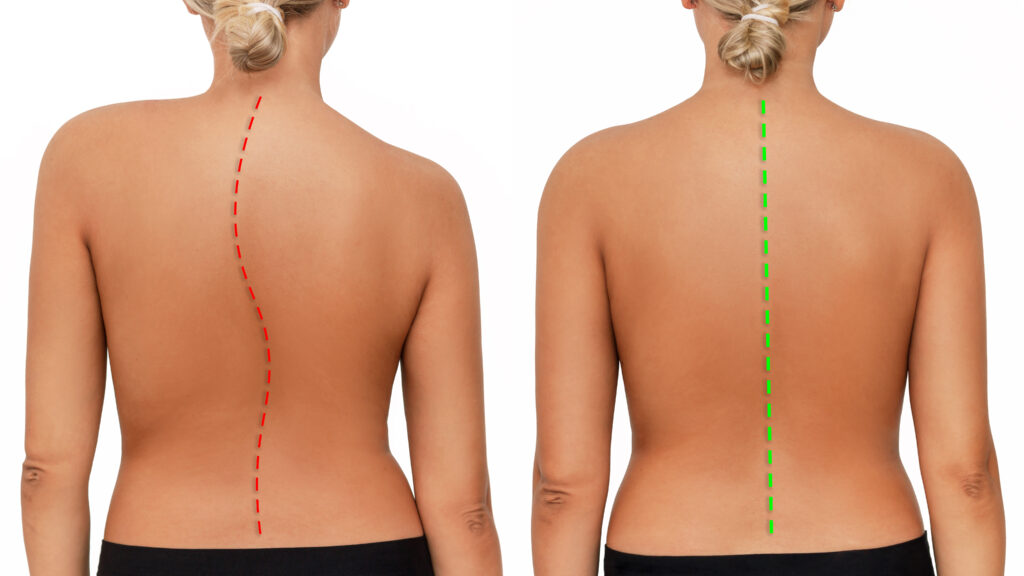
As a local chiropractor, I understand that enhancing flexibility is crucial for overall health and well-being. Adjustments are a key component of this process, as they help optimize your body's natural alignment and function. By incorporating targeted stretching techniques, we can specifically address tight muscles and improve your range of motion. Additionally, integrating dynamic movement practices into your routine can enhance your body's ability to move fluidly and adapt to various activities.
Furthermore, mindfulness and breathing exercises are essential in this journey. They not only promote relaxation but also help you connect with your body, allowing you to better understand your limits and areas in need of improvement. Each of these methods plays a vital role in enhancing flexibility, and when combined with chiropractic adjustments, they can significantly transform your approach to flexibility training.
Now, the question is—how can you effectively implement these strategies in your daily life? As your chiropractor, I can guide you in creating a personalized plan that incorporates these techniques, ensuring you see the best results and enjoy a more flexible, pain-free lifestyle.
Targeted Stretching Techniques
As a local chiropractor, I want to share the importance of targeted stretching techniques for enhancing your flexibility and overall mobility. These techniques specifically focus on certain muscle groups, effectively addressing tightness and improving your range of motion. By integrating these stretches into your routine, you can't only feel more limber but also significantly reduce your risk of injury.
First, let's identify the muscle groups that may feel tight or restricted. For instance, if you find yourself sitting for long periods, you might experience tension in your hip flexors and hamstrings. A simple yet effective stretch, such as the seated forward bend, can help alleviate this discomfort. To do this, sit on the floor with your legs extended in front of you, and gently reach toward your toes. You should feel a nice stretch in your lower back and hamstrings.
I recommend holding each stretch for at least 15 to 30 seconds while breathing deeply. This deep breathing helps increase oxygen flow to your muscles, promoting relaxation and flexibility. For optimal results, aim to perform these stretches at least three times a week. Always pay attention to your body; if any stretch causes pain, ease back to a position that feels comfortable for you.
In addition to static stretches, incorporating dynamic stretches like leg swings or arm circles can further enhance your routine by warming up your muscles before you engage in deeper stretches. However, during your dedicated flexibility sessions, it's best to focus on static stretches to maximize their benefits.
Dynamic Movement Practices
As a chiropractor, I often emphasize the importance of maintaining flexibility for overall health and wellness. While static stretching has its benefits, I want to introduce you to the concept of dynamic movement practices, which can significantly enhance your mobility and prepare your body for physical activity.
Dynamic movement involves actively moving your body through a range of motion, which not only improves flexibility but also supports your muscles and joints in functioning more effectively. By integrating these movements into your daily routine, you can enhance your performance in various activities and lower your risk of injury.
One simple yet effective exercise I recommend is leg swings. To perform this, stand next to a wall for support and swing one leg forward and backward. This motion engages your hip flexors and hamstrings, helping to improve your hip mobility. After a set, switch legs and repeat to ensure balanced flexibility.
Another beneficial dynamic practice is arm circles. Stand tall with your arms extended to the sides and begin making small circles. Gradually increase the size of these circles. This exercise warms up your shoulder joints and increases your range of motion, which can be especially helpful for activities that involve upper body movement.
Walking lunges are also an excellent addition to your routine. Start by stepping forward with one leg, lowering your hips until both knees are bent at about a 90-degree angle. Push off your front foot to bring your back leg forward into the next lunge. This movement stretches your hip flexors and quadriceps while also engaging your core and improving balance.
Incorporating these dynamic movements into your flexibility routine can greatly enhance your mobility and prepare your body for more intense workouts. Embracing movement is key to a healthier lifestyle, and I encourage you to explore these practices for your well-being.
Mindfulness and Breathing Exercises
As a local chiropractor, I want to share how incorporating mindfulness and breathing exercises into your flexibility routine can significantly enhance your overall well-being. These practices not only improve your physical flexibility but also promote mental clarity and emotional stability, which are essential for holistic health.
When you focus on your breath, you're not just taking in air; you're creating a vital connection between your body and mind. This connection allows you to become more aware of your physical sensations and emotional states, helping you identify areas of tension in your body. By recognizing these areas, you can more effectively address them during your flexibility training, leading to better outcomes.
I recommend starting with deep, diaphragmatic breathing. Inhale deeply through your nose, allowing your abdomen to expand fully, and then exhale slowly through your mouth. This technique helps calm your nervous system and encourages relaxation, making it easier for your muscles to stretch.
As you breathe, visualize the areas of your body that require more flexibility, imagining them becoming more pliable with each breath you take.
It's also beneficial to incorporate mindfulness into your stretching routine. Focus solely on the present moment while you stretch. Pay attention to how your body feels, the sensations of tension, and the release you experience with each deep breath.
If your mind starts to wander—perhaps thinking about your to-do list or other distractions—gently redirect your focus back to your breath and the stretch. This mindfulness practice not only enhances your physical flexibility but also cultivates a sense of peace and presence, which can contribute to overall health and well-being.
Conclusion
As a local chiropractor, I want to share some effective ways to enhance your flexibility through natural methods. Incorporating targeted stretching, dynamic movements, and mindful breathing into your daily routine can significantly improve your body's flexibility. By focusing on specific muscle groups, you can activate your body, promote better circulation, and foster relaxation. This not only increases your range of motion but also helps you connect more deeply with your body.
Making these adjustments a regular part of your practice will lead to noticeable improvements in your flexibility journey. Embrace these techniques, and you'll likely see a positive transformation in both your physical performance and overall well-being. Remember, natural healing is all about understanding and nurturing your body, and I'm here to guide you every step of the way.