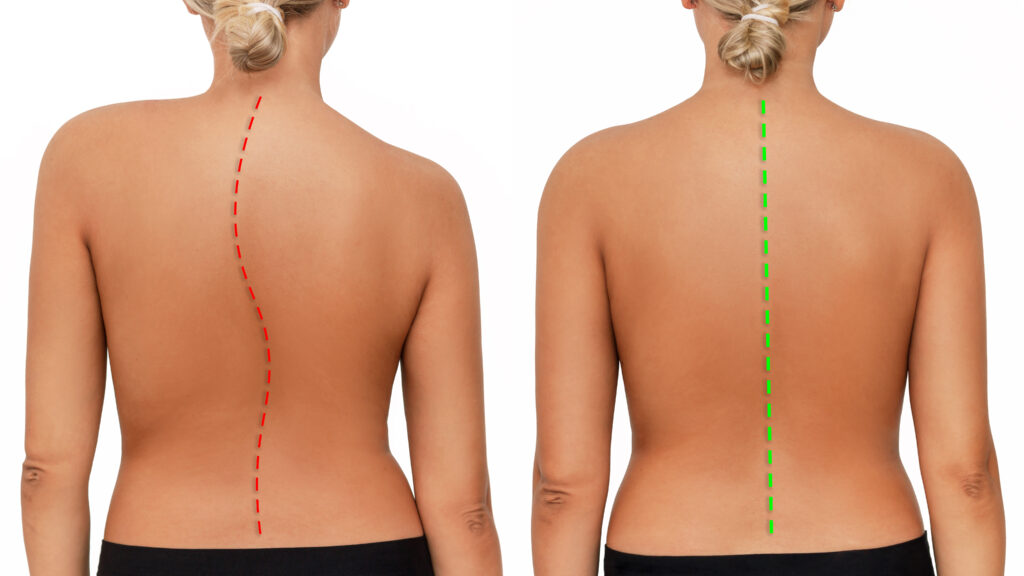
You might not realize how small adjustments to your daily routine can have a big impact on alleviating back pain. By focusing on your posture, workspace setup, and even the shoes you wear, you can greatly reduce strain on your spine. Incorporating exercises and stretching into your day can also make a difference. Curious about how these simple changes can transform your comfort and well-being? Let's explore the seven best ways to make these adjustments work for you.
Improve Your Posture
Improving your posture is fundamental for alleviating back pain and enhancing overall wellness. When you sit or stand with proper alignment, you distribute your body weight evenly, reducing strain on your spine and surrounding muscles. This practice not only minimizes discomfort but can also prevent future injuries.
To start, be mindful of your body's positioning throughout the day. When you're sitting, keep your feet flat on the floor, or use a footrest if needed. Your knees should be at or below hip level, and your back should be straight against the chair. If you're working at a desk, adjust your chair height to guarantee your elbows form a 90-degree angle when typing.
When you stand, distribute your weight evenly on both feet. Imagine a straight line running from your ears through your shoulders and down to your hips. Avoid locking your knees, as this can lead to overcompensation in your lower back. Remember to engage your core muscles; they play a significant role in supporting your spine.
Incorporating regular breaks into your routine is also essential. Stand up, stretch, or walk around every 30 to 60 minutes. This small change can help reset your posture and relieve tension in your back.
Additionally, consider practicing exercises that strengthen your core and back muscles, like planks or bridges. By prioritizing your posture, you'll not only reduce back pain but also improve your overall health and well-being.
Optimize Your Workspace
A well-optimized workspace can greatly reduce back pain and enhance productivity. Start by adjusting your chair. Make certain it supports your lower back and allows your feet to rest flat on the floor. If your feet dangle, consider using a footrest. Your knees should be at or just below hip level, promoting proper alignment.
Next, position your computer screen at eye level. When your screen is too low, you might lean forward or strain your neck, leading to discomfort. Keep your monitor about an arm's length away, and adjust the height so you can look straight ahead without tilting your head.
Your keyboard and mouse should be within easy reach, allowing your elbows to stay close to your body at a 90-degree angle. This setup reduces strain on your shoulders and wrists. If you type frequently, consider using an ergonomic keyboard designed to minimize tension.
Lighting also plays an essential role in workspace optimization. Verify your area is well-lit to avoid straining your eyes and leaning forward to see better. Natural light is ideal, but if that's not possible, use adjustable lamps to eliminate shadows.
Lastly, maintain a clutter-free workspace. A clear environment helps you stay focused and reduces unnecessary stress, which can lead to muscle tension.
Incorporate Regular Stretching
Since regular stretching can greatly relieve back pain, incorporating it into your daily routine is essential. Stretching helps to improve flexibility, increase blood flow to muscles, and reduce tension, all of which can mitigate discomfort in your back. You don't have to spend hours on this; just a few minutes each day can make a significant difference.
Start your day with gentle stretches to wake up your muscles and prepare your body for activity. Focus on areas that often hold tension, like your lower back, hamstrings, and hips. You can also take short stretching breaks throughout your day, especially if you sit for long periods. This can help combat stiffness and keep your muscles supple.
Here are a few simple stretches to include:
- Cat-Cow Stretch: This helps increase flexibility in your spine and relieve tension in your back.
- Child's Pose: A gentle stretch that not only relaxes the back but also calms the mind.
- Seated Forward Bend: This stretch targets the hamstrings and lower back, promoting overall relaxation.
Incorporating these stretches into your routine will enhance your mobility and help you manage your back pain more effectively.
Strengthen Core Muscles
Core strength is essential for maintaining a healthy back and reducing pain. When your core muscles are strong, they provide stability and support for your spine, helping to prevent strain and injury. Weak core muscles can lead to poor posture and increased pressure on your back, which can exacerbate pain.
To strengthen your core, start with exercises that target your abdominal muscles, obliques, and lower back. Planks are an excellent choice; they engage multiple muscle groups while promoting proper alignment. Hold a plank position for 20-30 seconds, gradually increasing the time as you build strength.
Another effective exercise is the bridge. Lie on your back with your knees bent and feet flat on the floor. Lift your hips toward the ceiling while squeezing your glutes. Hold this position for a few seconds, then lower back down. Repeat this 10-15 times.
Don't forget about incorporating rotational movements, like Russian twists, which help strengthen your obliques. Sit on the floor, lean back slightly, and twist your torso side to side while holding a weight or a medicine ball.
Aim to include core-strengthening exercises in your routine at least three times a week. Consistency is key, and as your core becomes stronger, you should notice improvements in your stability and a reduction in back pain.
Adjust Sleep Position
Your sleep position can greatly impact your back pain, so it's worth making some adjustments.
Finding the right pillow height and exploring the benefits of side sleeping can provide much-needed relief.
Additionally, using proper back support techniques while you rest can help you wake up feeling better.
Optimal Pillow Height
Finding the right pillow height is essential for alleviating back pain, as it directly influences your sleep position and spinal alignment.
When your head is properly supported, your spine can maintain its natural curvature, reducing strain on your back. If your pillow is too high or too low, it can lead to neck tension or exacerbate back pain.
To find the ideal pillow height for you, consider the following tips:
- Sleep Position: Your preferred sleep position—whether on your back or side—will determine the perfect pillow height. A flatter pillow may work best for back sleepers, while side sleepers often benefit from a thicker pillow.
- Personal Comfort: Everyone's comfort level varies. Test different pillow heights to see which one provides the best support without causing discomfort.
- Material Matters: The type of pillow material (memory foam, latex, etc.) can affect how well it supports your head and neck. Experiment with different materials to find one that aligns with your needs.
Side Sleeping Benefits
Adjusting your sleep position can greatly impact your overall back health, and side sleeping offers several benefits that may help alleviate pain. When you sleep on your side, your spine naturally aligns, reducing pressure on your lower back. This position helps maintain the natural curve of your spine, which can prevent discomfort and stiffness.
Another advantage of side sleeping is that it can help reduce snoring and improve breathing during sleep. By keeping your airways open, you might find that you wake up feeling more rested. Additionally, if you're pregnant, side sleeping is often recommended to improve circulation for both you and your baby.
To maximize the benefits of side sleeping, try placing a pillow between your knees. This simple adjustment can help maintain alignment in your hips and lower back, further reducing pain.
If you notice discomfort in your shoulders or neck, consider using a supportive pillow that keeps your head aligned with your spine.
Back Support Techniques
To enhance back support while sleeping, consider making strategic adjustments to your sleep position. The way you sleep can greatly impact your back pain, so it's crucial to find a position that keeps your spine aligned.
Here are some techniques you can try:
- Use a supportive mattress: Verify your mattress provides adequate support. A medium-firm mattress often works best for spinal alignment.
- Pillow placement: When sleeping on your side, place a pillow between your knees to keep your hips aligned. If you sleep on your back, a small pillow under your knees can help maintain the natural curve of your spine.
- Avoid stomach sleeping: This position can strain your neck and back. If you must sleep on your stomach, use a thin pillow or none at all to minimize neck strain.
Use Supportive Footwear
When you spend long hours on your feet, wearing supportive footwear can make a significant difference in alleviating back pain. The right shoes provide essential support to your feet, which in turn helps maintain proper posture and alignment throughout your body.
When your feet are well-supported, your entire musculoskeletal system benefits, reducing strain on your back.
Look for shoes that offer cushioning, arch support, and a proper fit. Cushioned soles can absorb shock, minimizing the impact on your spine as you walk or stand.
Arch support distributes weight evenly across your feet, preventing excessive pressure on specific areas that can lead to discomfort. Make sure your shoes fit well; shoes that are too tight or too loose can create instability and contribute to pain.
Avoid high heels or flat shoes without support. While they may look stylish, they can lead to poor posture and increased back pain.
Instead, opt for shoes with a slight heel and a wide toe box, allowing your toes to move freely and providing better balance. If you're on the go, consider using orthotic inserts for extra support tailored to your specific foot type.
Manage Stress Effectively
Managing stress effectively is essential for alleviating back pain, as tension in the body can lead to muscle tightness and discomfort. When you're stressed, your body goes into fight or flight mode, causing your muscles to tighten, including those in your back.
By learning how to manage stress, you can reduce this muscle tension and promote relaxation, which can greatly ease your back pain.
Here are some effective strategies to help you manage stress:
- Mindfulness and Meditation: Practicing mindfulness or meditation can help you focus on the present moment, calming your mind and reducing anxiety. Even a few minutes each day can make a big difference.
- Physical Activity: Regular exercise not only helps to release endorphins, which are natural stress relievers, but also strengthens your back muscles. Activities like yoga or swimming are especially beneficial for back health.
- Deep Breathing Techniques: Simple deep breathing exercises can help you relax and lower stress levels. Try inhaling deeply through your nose, holding for a few seconds, and then exhaling slowly through your mouth.
Incorporating these techniques into your daily routine can create a more relaxed mindset and alleviate the stress that contributes to your back pain.
Conclusion
By making these adjustments, you can effectively alleviate back pain and improve your overall well-being. Focus on maintaining good posture, optimizing your workspace, and incorporating regular stretching and core-strengthening exercises. Don't forget to adjust your sleep position and wear supportive footwear. Finally, managing stress is essential for muscle health. By taking these simple steps, you're not just addressing pain; you're investing in a healthier, more active lifestyle. Start today, and feel the difference!