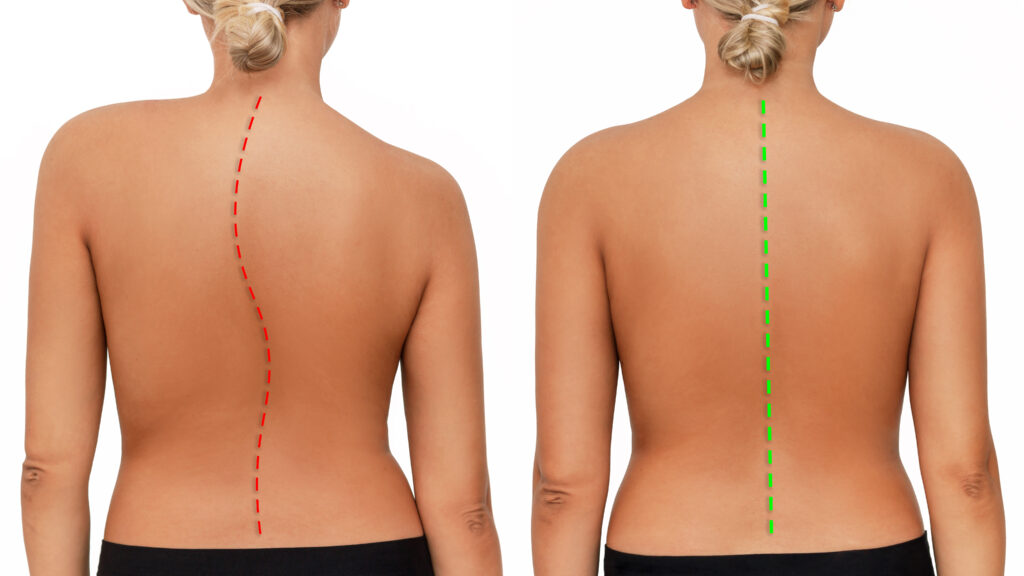
If you're experiencing sports-related back pain, you may not fully realize the impact it has on both your athletic performance and your overall enjoyment of the sport. As a local chiropractor, I've seen firsthand how even small changes in your daily routine can lead to significant improvements in your comfort and ability to play. By paying attention to important factors like your posture, core strength, and hydration, you can effectively address the discomfort you're feeling. However, there's a broader perspective we can explore that goes beyond these foundational tips.
Let's discuss some reliable strategies that can transform the way you approach your training and recovery. By incorporating these techniques, you can keep yourself at peak performance while minimizing the risk of pain interfering with your passion for sports. Remember, chiropractic care focuses on natural healing methods that can help you achieve a pain-free experience, allowing you to stay active and engaged in the activities you love.
Assess Your Posture
As a local chiropractor, I often emphasize the importance of regularly assessing your posture to help manage sports-related back pain. Engaging in sports without proper alignment can contribute to discomfort and other issues down the line. It's crucial to be mindful of how you stand, sit, and move during your activities to maintain your overall well-being.
To start, let's focus on your alignment while standing. Ideally, your ears should align with your shoulders, your shoulders should be directly over your hips, and your hips should sit above your ankles. If you notice any misalignments, it's a good idea to adjust your stance.
Whether you're running, cycling, or participating in team sports, be aware of your posture. Slouching or leaning too far forward can place additional stress on your spine, leading to pain.
When it comes to sitting—especially for extended periods—ensure that your back is well-supported. Choose a chair that promotes good posture, so your feet rest flat on the ground and your knees form a right angle.
If you spend a lot of time at a desk, consider investing in ergonomic furniture or a lumbar support cushion to help maintain proper alignment.
Additionally, when lifting weights or performing specific movements, remember to engage your core. A strong core acts as a stabilizer for your spine, helping you to maintain good posture.
If you notice any straining or overextending in your movements, it's a signal to reevaluate your technique. Small adjustments in your posture can lead to significant improvements, not just for your athletic performance, but also for reducing any back pain you may experience during and after sports.
Stay vigilant about your posture, and prioritize it for better comfort and overall health. Your body will thank you!
Incorporate Stretching Routines
As a local chiropractor, I want to emphasize the importance of incorporating stretching routines into your sports regimen, especially for those who may not be familiar with chiropractic care and natural healing. Stretching is a vital practice for preventing and alleviating back pain, and it plays a significant role in maintaining the health of your muscles and spinal structures.
Regular stretching enhances flexibility, which can help reduce the tension that often leads to discomfort. By dedicating just a few minutes each day to stretch, you can significantly lower your risk of injury and enhance your overall performance in any physical activity.
I recommend starting with dynamic stretches before your workouts. These movements, such as arm circles, leg swings, and trunk rotations, are effective in warming up your muscles and preparing your body for action.
After you finish your exercise, it's crucial to engage in static stretches, holding each stretch for about 20-30 seconds. Focus on key areas like your hamstrings, hip flexors, quadriceps, and lower back, as these are often the most affected during physical activities.
For your back specifically, gentle stretches such as the cat-cow stretch and child's pose can work wonders. These poses not only relieve tension but also promote better spinal mobility, which is essential for your overall well-being.
I encourage you to incorporate these stretches into your routine at least three times a week for optimal results. Listening to your body is vital in this process. If you experience pain during a stretch, be sure to ease off. It's important to find a balance between challenging yourself and respecting your body's signals.
Strengthen Core Muscles
As a local chiropractor, I want to emphasize the importance of a strong core for everyone, not just athletes. A well-developed core is crucial for preventing back pain and enhancing overall physical performance. Your core isn't solely about achieving a visible six-pack; it encompasses the muscles in your abdomen, back, and pelvis that work together to stabilize your body. By strengthening these muscles, you can significantly lower your risk of injury and improve your daily functional abilities.
To begin enhancing your core strength, I recommend incorporating exercises such as planks, bridges, and Russian twists into your routine. Planks are particularly beneficial because they engage multiple muscle groups at once. Start by holding a plank for 30 seconds to a minute, and as you grow stronger, gradually extend the duration.
Bridges are excellent for targeting your lower back and glutes, which are essential for maintaining proper posture and stability in everyday activities. Don't forget about the importance of rotational movements as well. Incorporating exercises like medicine ball throws or cable rotations can improve your core's capacity to manage dynamic movements in various activities.
Additionally, including exercises that strengthen your lower back, such as supermans or bird-dogs, will help create a balanced core that supports your spine. I encourage you to aim for at least two to three core-focused workouts each week.
Consistency is crucial; over time, you'll notice improvements in your strength, balance, and overall well-being. A strong core not only enhances your performance but also provides vital support for your back, making it an essential part of your health and wellness journey. So, let's prioritize your core and take steps towards a healthier, more active life!
Use Proper Equipment
As a local chiropractor, I want to emphasize the importance of using proper equipment to prevent sports-related back pain.
Selecting the right footwear is crucial, as it provides the necessary support for your feet and spine. Additionally, utilizing supportive gear, such as braces or padding, can help maintain proper alignment during physical activities.
It's also vital to ensure that your equipment is adjusted to fit your body correctly. These simple adjustments can significantly reduce strain on your back, enhance your comfort during play, and promote overall well-being.
Taking these steps not only helps prevent injury but also supports your body's natural healing processes. Your spine will thank you!
Choose Correct Footwear
As a local chiropractor, I often emphasize the importance of choosing the right footwear to help prevent sports-related back pain. The shoes you wear create the foundation for your entire body and play a crucial role in maintaining proper posture and alignment during physical activities.
Wearing the wrong shoes can lead to imbalances that put unnecessary strain on your back. Here are four essential tips to guide you in selecting the best footwear for your sports activities:
1. Understand Your Sport: It's important to recognize that different sports demand different types of shoes. For instance, running shoes are designed with cushioning to absorb impact, while court shoes provide the necessary lateral support for activities like basketball or tennis.
Ensure you select shoes that are specifically designed for your chosen sport.
2. Ensure a Proper Fit: The fit of your shoes is vital for comfort and support. Your shoes should feel snug but not tight. A good rule of thumb is to have about a thumb's width of space between your longest toe and the end of the shoe.
This helps prevent excess pressure on your feet, which can translate to back pain.
3. Prioritize Arch Support: Proper arch support is crucial as it helps distribute your weight evenly, reducing strain on your spine. Look for shoes that offer built-in arch support, or consider using orthotic inserts if you need extra help.
4. Don't Neglect Worn-Out Shoes: Shoes can lose their supportive qualities over time. It's important to regularly inspect your footwear for signs of wear and replace them as needed.
This maintenance helps ensure that you continue to have the support required for proper alignment and to minimize the risk of injury.
By making informed choices about your footwear, you can significantly lower your risk of developing back pain while enjoying your favorite sports activities.
Utilize Supportive Gear
As a local chiropractor, I want to emphasize the significant role that supportive gear plays in preventing back pain during sports activities. Engaging in sports like running, basketball, or weightlifting can put considerable strain on your spine, but using the appropriate gear can help stabilize it and minimize stress on your back.
For those with a history of back issues, a quality athletic back brace can be especially beneficial, offering the extra support you may need.
It's essential to recognize the importance of proper padding and support in your sports equipment. For instance, if you enjoy cycling, ensure that your bike is equipped with an ergonomic seat that provides adequate support for your lower back.
When lifting weights, consider using a lifting belt to help distribute the load evenly, protecting your spine during those heavy lifts.
Furthermore, I recommend incorporating compression garments into your athletic wardrobe. These can enhance blood circulation and reduce muscle fatigue, which in turn helps alleviate stress on your back.
If you participate in sports involving sudden movements or impacts, such as soccer or football, investing in supportive gear like knee or ankle braces can help maintain overall body alignment and prevent injury.
By taking these steps and utilizing proper supportive gear, you can significantly enhance your athletic performance while safeguarding your back health.
Adjust Equipment Fit
As a local chiropractor, I want to emphasize the importance of properly fitting equipment in preventing back pain during sports and physical activities. Many people may not realize that ill-fitting gear can lead to misalignments in your spine and increased strain on your back.
Whether you're enjoying soccer, basketball, or working out at the gym, ensuring that your equipment fits well can greatly enhance your comfort and performance.
Here are four crucial aspects to consider when adjusting your equipment fit:
- Footwear: It's vital to wear shoes that offer adequate support and cushioning. Ill-fitting shoes can negatively impact your posture, potentially resulting in back pain. I encourage you to choose footwear that accommodates your foot shape and provides stability.
- Protective Gear: For those using pads and supports like knee or back braces, ensure they fit snugly but not too tight. The right fit will help stabilize your body without restricting your natural movement, which is key for maintaining good spinal health.
- Bicycle Adjustments: If cycling is part of your routine, adjusting your seat height and handlebar position is essential. This helps maintain a neutral spine while riding, reducing the risk of discomfort and injury.
- Gym Equipment: When using gym machines, take the time to set the seat and handles to match your height. Proper alignment while exercising is crucial for reducing the risk of injury and ensuring a comfortable workout.
Remember, taking these simple steps to adjust your equipment can have a significant impact on your overall well-being and help you avoid unnecessary back pain.
If you have any questions or need further guidance, feel free to reach out to me during your next visit!
Apply Heat or Cold Therapy
As a local chiropractor, I want to share with you the powerful benefits of heat and cold therapy for relieving sports-related back pain. Many people are unaware of how these simple techniques can greatly assist in their recovery journey. Understanding when to apply each type of therapy is crucial for maximizing your healing process.
If you're experiencing acute pain or have recently sustained an injury, I recommend starting with cold therapy. Using ice packs or cold compresses can effectively numb the painful area, reducing swelling and limiting blood flow to the affected site. For the best results, apply cold therapy for about 15 to 20 minutes at a time, and remember to wrap the ice pack in a towel to protect your skin.
I suggest repeating this every few hours during the first 48 hours following your injury to help minimize pain and inflammation.
Conversely, if your back pain is due to muscle soreness or tension, heat therapy can be incredibly beneficial. Applying a heating pad or a warm towel helps to increase blood circulation to the area, facilitating healing and promoting relaxation of the muscles. You can use heat for 15 to 30 minutes, making sure it's warm—never hot—to avoid burns.
This method is particularly effective for chronic pain or stiffness that can arise after a long day of sports or physical activity.
It's important to note that everyone's body responds differently to these therapies. I encourage you to experiment with both heat and cold to discover which works best for you.
Always listen to your body – it knows what it needs. With the right approach, incorporating heat and cold therapy into your routine can be an invaluable part of your back pain relief strategy.
If you have any questions or need further guidance, please feel free to reach out!
Stay Hydrated
As a local chiropractor committed to your well-being, I want to emphasize the importance of staying hydrated for your overall health, particularly when it comes to maintaining proper muscle function.
When your body is adequately hydrated, it becomes more resilient to physical stress, which can significantly lower your chances of experiencing back pain during sports or other activities.
I encourage you to prioritize your hydration by drinking sufficient water before, during, and after any physical exertion. This simple habit can support not just your muscles, but your entire musculoskeletal system, enhancing your overall health and wellness.
Importance of Water Intake
As a local chiropractor, I want to emphasize the critical role that water plays in your overall health and well-being, especially if you're active in sports or physical activities. Staying properly hydrated is essential not just for enhancing your performance but also for preventing issues like back pain and other injuries.
When your body is dehydrated, it can lead to stiffness in your muscles and joints, increasing your risk of discomfort and strain. Here are four key reasons why maintaining proper water intake is crucial:
- Joint Lubrication: Water is vital for keeping your joints well-lubricated. This lubrication minimizes friction, which can help reduce the risk of injuries during your activities.
- Nutrient Transport: Staying hydrated ensures that vital nutrients are efficiently transported to your muscles. This is essential for both recovery after exercise and optimal performance during physical activity.
- Temperature Regulation: Adequate hydration helps your body regulate its temperature effectively. This is important because overheating can lead to fatigue, which in turn might affect your posture and increase strain on your back.
- Muscle Function: Drinking enough water supports optimal muscle function. When your muscles are well-hydrated, they can work more efficiently, allowing you to move freely and reducing the likelihood of experiencing back pain.
As you consider your health and wellness, remember that proper hydration is a simple yet powerful step you can take to support your body.
If you have any questions about how hydration relates to chiropractic care and natural healing, don't hesitate to reach out!
Hydration and Muscle Function
As a local chiropractor, I want to emphasize the crucial role hydration plays in muscle function and overall wellness. Proper hydration significantly impacts your performance during physical activities and contributes to your comfort. When your body is well-hydrated, your muscles operate more efficiently, which helps prevent issues like cramps and fatigue that can lead to back pain.
On the other hand, dehydration can cause your muscles to tighten, reducing flexibility and increasing the risk of injury.
To ensure optimal muscle performance, it's essential to drink water before, during, and after your workouts. Pay attention to your body's signals; if you feel thirsty, it's your body's way of telling you to hydrate. Aiming for at least 8-10 cups of water daily is a good start, but you may need to adjust this based on how active you are and the environment you're in.
If you're sweating a lot, consider incorporating electrolyte-rich drinks to help replenish the minerals lost through perspiration.
Incorporating hydration into your daily routine doesn't have to be overwhelming. I recommend keeping a water bottle with you during workouts and setting reminders to drink throughout the day.
Remember, staying properly hydrated not only supports muscle function but also aids in recovery after intense activities, which can help reduce the likelihood of back pain.
Consult a Professional
As a local chiropractor, I want to emphasize the importance of seeking professional help when it comes to sports-related back pain. Whether you're a serious athlete or someone who enjoys weekend activities, getting guidance from a trained expert like myself can make a significant difference in your recovery process. Ignoring ongoing pain can lead to more serious complications, so it's essential to reach out for help sooner rather than later.
Here are some important aspects to consider when you consult with me or another chiropractic professional:
- Accurate Diagnosis: One of my primary roles is to accurately diagnose the root cause of your back pain. With my expertise, I can help you avoid unnecessary treatments or exercises that may exacerbate your condition.
- Personalized Treatment Plans: Every patient is unique, which is why I develop customized treatment plans tailored to your individual needs. This may include chiropractic adjustments, physical therapy techniques, and recommendations for natural pain management that promote healing.
- Preventative Strategies: In addition to treating your current pain, I'll provide you with valuable advice on proper body mechanics, stretching routines, and strengthening exercises. These preventative measures can help you avoid future injuries and enhance your overall performance.
- Ongoing Care: Regular follow-up appointments are vital to ensure your recovery is progressing as planned. Together, we can make any necessary adjustments to your treatment plan, ensuring you stay on track toward optimal health.
By consulting with a chiropractor, you not only address your current pain but also lay the groundwork for long-term success in your sports activities.
Don't hesitate to reach out to me or another qualified professional who understands your specific needs and can guide you toward a natural, pain-free lifestyle. Your health is worth it!
Conclusion
As a local chiropractor, I want to share seven essential tips that can help you manage and alleviate sports-related back pain naturally. First and foremost, pay close attention to your posture—proper alignment can make a significant difference in your spinal health. Incorporating core-strengthening exercises into your routine is also crucial, as a strong core supports your back and improves overall stability.
Don't underestimate the power of stretching; regular stretching can enhance flexibility and prevent injuries. Staying well-hydrated is vital for maintaining optimal muscle function and recovery, so make sure to drink plenty of water. Using the right equipment tailored to your specific sport can also help prevent unnecessary strain on your back.
Most importantly, listen to your body. If you're experiencing pain, it's essential to address it early on. I encourage you to consult with a healthcare professional, like a chiropractor, who can guide you through a personalized care plan. With dedicated effort and attention to these practices, you'll soon find yourself enjoying your favorite sports without the burden of pain!