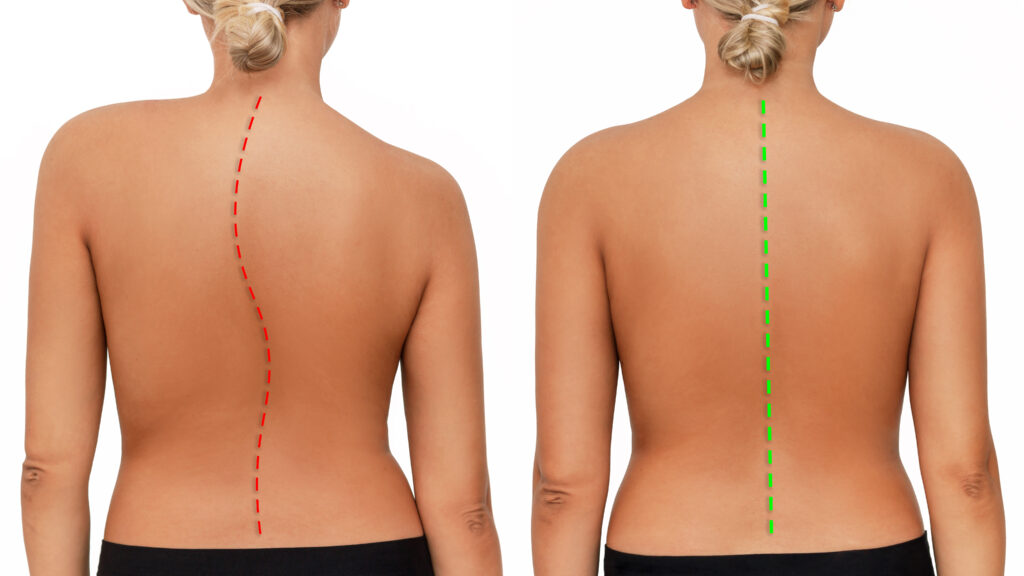
If you're dealing with back pain, you might be wondering about non-invasive options that could help alleviate your discomfort. Many people find relief through methods like physical therapy, chiropractic care, and various alternative therapies. Each approach offers unique benefits, from strengthening exercises to spinal adjustments and holistic practices. But how do you determine which option is best for you? Understanding the nuances of these treatments could be key to your recovery, and there's much more to explore about how they can fit into your daily life.
Physical Therapy Techniques
When it comes to managing back pain, physical therapy techniques offer effective, non-invasive solutions that can help you regain mobility and strength. A physical therapist will assess your specific condition and develop a tailored treatment plan focusing on exercises, stretches, and manual therapy techniques that address your unique needs.
One essential aspect of physical therapy is strengthening exercises. By targeting the muscles surrounding your spine, you can improve stability and support, reducing the strain on your back. Your therapist might guide you through core stabilization exercises that not only relieve pain but also prevent future injuries.
Stretching techniques are equally important. Tight muscles can contribute to discomfort, so your therapist may incorporate flexibility exercises to enhance your range of motion. These stretches can alleviate tension and promote relaxation, making daily activities easier and more enjoyable.
Manual therapy is another key component. Through hands-on techniques, your therapist can manipulate your spine and surrounding tissues, helping to relieve pain and improve function. This approach allows for a more personalized treatment experience, as your therapist can adjust techniques based on your response.
Additionally, education plays a significant role in physical therapy. You'll learn about body mechanics, posture, and ergonomic strategies to use in your daily life, empowering you to manage your back pain more effectively.
Chiropractic Care Benefits
Chiropractic care offers a holistic approach to back pain relief that focuses on the spine's alignment and overall body function. When you visit a chiropractor, they assess your posture, spinal alignment, and movement patterns to identify the root causes of your discomfort. This personalized evaluation helps them tailor a treatment plan specifically for you, addressing not just the symptoms but also the underlying issues contributing to your pain.
One of the most significant benefits of chiropractic care is spinal adjustments. These gentle manipulations can restore proper alignment, reduce pressure on nerves, and improve mobility. Many patients report immediate relief after adjustments, experiencing reduced pain and enhanced range of motion.
Additionally, chiropractors often incorporate soft tissue therapies, which can alleviate muscle tightness and enhance the effectiveness of spinal adjustments.
You'll also appreciate the emphasis on preventative care in chiropractic. Your chiropractor will educate you on exercises, stretches, and lifestyle modifications that can help maintain spinal health and prevent future pain. This proactive approach empowers you to take charge of your well-being, reducing reliance on medication or invasive procedures.
Furthermore, chiropractic care can enhance your overall quality of life. Many patients find improved sleep, increased energy levels, and a heightened sense of well-being after beginning treatment. By addressing back pain with chiropractic care, you're not just treating a symptom; you're investing in a healthier, more active lifestyle.
Alternative Therapies Overview
Alternative therapies for back pain provide a variety of non-invasive options that cater to different needs and preferences. These approaches focus on promoting healing through natural methods, often involving a holistic perspective on your overall well-being.
You might find that combining these therapies with conventional treatments can enhance your recovery and improve your quality of life.
Here are some popular alternative therapies you might consider:
- Acupuncture: This ancient Chinese practice involves inserting fine needles into specific points on your body. It aims to relieve pain and improve your body's energy flow.
- Massage Therapy: Therapeutic massage can help reduce tension in your muscles, improve circulation, and promote relaxation. It's particularly effective for alleviating tightness that contributes to back pain.
- Yoga: Practicing yoga can enhance flexibility, strengthen your core, and promote better posture. Many find that regular yoga sessions help decrease pain and increase mobility.
- Herbal Remedies: Certain herbs and supplements, like turmeric or devil's claw, may have anti-inflammatory properties that can help ease back pain. You should always consult with a healthcare provider before starting any new supplement.
As you explore these therapies, remember that individual results can vary. It's important to stay open-minded and consult with a healthcare professional to find the best approach for your specific situation.
Non-invasive options can be a valuable part of your journey toward back pain relief.
Lifestyle Modifications
Making some lifestyle modifications can greatly impact your back pain management. First, consider your posture. Whether you're sitting at a desk or lifting heavy objects, proper alignment can reduce strain on your back.
Make it a habit to keep your back straight, shoulders back, and feet flat on the floor. Investing in ergonomic furniture, like a chair with lumbar support, can also help.
Next, focus on your weight. Carrying extra pounds puts additional pressure on your spine. By maintaining a healthy diet and engaging in regular exercise, you can shed those extra pounds and lessen your back pain.
Incorporate activities like walking, swimming, or cycling into your routine to strengthen your core muscles, which support your spine.
Additionally, stay active throughout your day. If you have a sedentary job, take frequent breaks to stretch or walk around. Simple movements can help alleviate tension and prevent stiffness.
You might also want to explore low-impact exercises like yoga or Pilates, which promote flexibility and strengthen your back muscles.
Lastly, prioritize your sleep. A good mattress and proper sleeping position can make a huge difference in how your back feels.
Try sleeping on your side with a pillow between your knees to keep your spine aligned.
Mind-Body Approaches
In addition to lifestyle changes, exploring mind-body approaches can considerably enhance your back pain management. These techniques focus on the connection between your mind and body, promoting healing through relaxation and mental focus. By integrating these methods into your routine, you might find relief from pain while also improving your overall well-being.
Here are some effective mind-body approaches to take into account:
- Meditation: Practicing mindfulness meditation helps you focus on the present, reducing stress and tension that can exacerbate back pain. Just a few minutes a day can yield significant benefits.
- Yoga: Engaging in yoga not only increases flexibility but also strengthens the muscles supporting your spine. Various poses can alleviate tension and improve posture, which is essential for back health.
- Tai Chi: This gentle form of martial arts emphasizes slow, deliberate movements and deep breathing. Tai Chi enhances balance and flexibility, making it an excellent choice for managing pain and improving mobility.
- Biofeedback: This technique teaches you to control physiological functions such as muscle tension and heart rate. By becoming aware of these bodily responses, you can learn to reduce pain levels effectively.
Incorporating these mind-body approaches into your back pain management strategy can empower you to take control of your health. With dedication and practice, you may experience lasting relief and a greater sense of well-being.
Conclusion
Incorporating non-invasive options for back pain can greatly improve your quality of life. By exploring physical therapy, chiropractic care, and alternative therapies, you can find the right combination that works for you. Don't forget to incorporate lifestyle modifications and mind-body approaches, as they play an essential role in your recovery. Taking proactive steps now can help you manage pain effectively and enhance your overall well-being. Remember, finding the right balance is key to lasting relief.