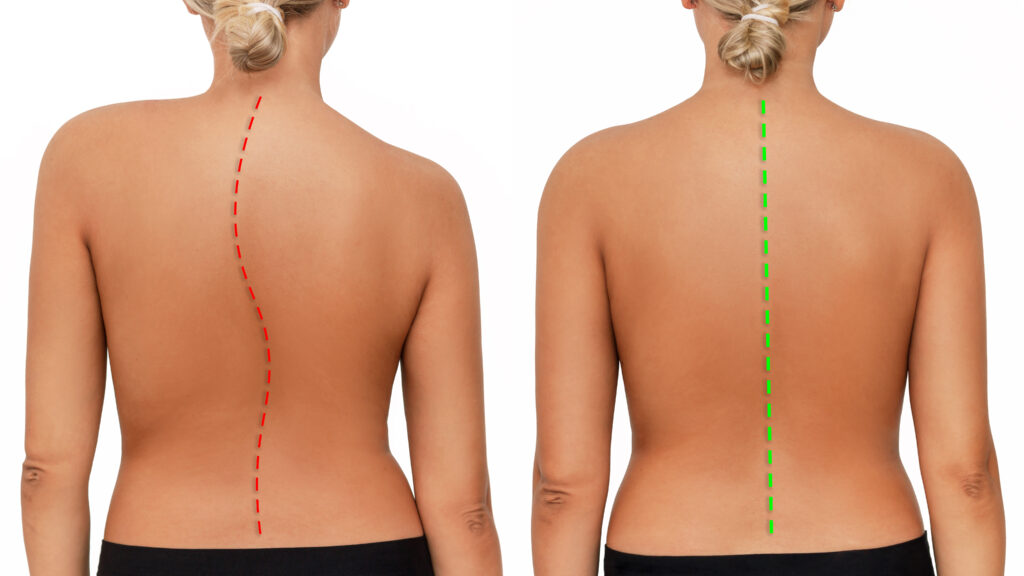
As a local chiropractor dedicated to helping you recover from sports injuries, I want to share some of the most effective techniques we use in our practice. When you sustain a sports injury, understanding the right chiropractic methods can significantly enhance your recovery journey.
One of the primary techniques we employ is spinal manipulation. This method focuses on realigning the spine, which can help improve your mobility and relieve pain. Another technique, known as the Active Release Technique, targets specific muscle issues, allowing for greater flexibility and function.
You may also benefit from the Graston Technique, which is designed to break down scar tissue that can develop after an injury. This can be crucial for restoring normal movement and reducing discomfort. Additionally, we use kinesiology taping to provide support during your athletic activities. This taping technique not only stabilizes the affected area but also helps decrease pain and swelling.
Each of these methods has unique strengths, and when combined, they can create a comprehensive approach to your recovery. Understanding how these techniques work together can lead to a more effective healing process tailored to your individual needs. If you're curious about how these treatments can specifically benefit you, I encourage you to reach out so we can discuss your situation in detail.
Spinal Manipulation
As a local chiropractor, I want to share with you the valuable role that spinal manipulation plays in chiropractic care, especially when it comes to recovering from sports injuries. This hands-on technique focuses on adjusting the spine to restore its natural alignment and function, which is crucial for your overall health.
When you participate in sports, your body undergoes considerable stress and strain, which can lead to misalignments in your spine. These misalignments can cause discomfort, limit your mobility, and affect your athletic performance. That's where spinal manipulation comes in.
By employing spinal manipulation, we aim to alleviate these issues. This approach is designed to reduce inflammation, enhance blood circulation, and improve nerve function throughout your body. As a result, many of my patients experience faster recovery times from their injuries, allowing them to get back to their favorite activities sooner.
During your chiropractic session, I'll carefully assess your spine and identify any areas that need attention. I'll then apply controlled force to specific joints, encouraging them to move more freely. You may hear some popping or cracking noises during this process, which is completely normal and indicates the release of gas bubbles in the joints.
In addition to aiding in recovery, incorporating spinal manipulation into your treatment plan can help prevent future injuries. Keeping your spine aligned enhances your body's biomechanics, making you more resilient to the physical demands of sports.
Plus, this technique can work well alongside other treatments, such as physical therapy, to create a comprehensive recovery strategy.
Active Release Technique
As a local chiropractor, I'm here to help you understand how the Active Release Technique (ART) can play a vital role in your recovery from sports injuries. This innovative, hands-on therapy is designed to complement traditional spinal manipulation, offering a dynamic approach to healing that focuses on releasing tension in your muscles and soft tissues.
If you've experienced overuse injuries or trauma, ART can specifically target areas where scar tissue or adhesions may have developed. These issues can restrict your mobility and slow down your healing process. During an ART session, I'll assess your movement patterns to pinpoint any tightness or discomfort in your muscles.
By applying precise pressure while you actively move your body, we can work together to achieve a deeper release of tension. This unique combination of movement and manual therapy can significantly enhance your recovery, enabling you to regain strength and flexibility more quickly.
ART is particularly beneficial for athletes dealing with conditions such as tendonitis, muscle strains, or chronic pain. Not only does this technique address existing injuries, but it also plays a crucial role in preventing future issues by improving your overall biomechanics.
As you undergo ART, you'll likely notice an increased range of motion and a decrease in pain, empowering you to return to your sport with renewed confidence.
Incorporating ART into your recovery plan complements other chiropractic techniques, creating a holistic approach to your health. By actively participating in your healing process, you take charge of your recovery and enhance your performance.
If you're facing a sports injury, I encourage you to consider ART as a valuable tool in your healing journey. Let's work together to help you feel your best and stay active!
Graston Technique
As a local chiropractor, I want to share with you an incredible method for recovering from sports injuries: the Graston Technique. This is a revolutionary approach that utilizes specialized stainless-steel instruments to effectively identify and treat soft tissue injuries. By employing this technique, we can help break down scar tissue and fascial restrictions, which promotes faster healing and enhances your mobility.
During your treatment session, I'll gently glide these tools over the areas that are affected, applying specific pressure to locate adhesions and areas of tension. You might experience some discomfort during this process, but that's perfectly normal—it indicates that we're targeting the right spots. The purpose of this technique is to stimulate the tissue, increase blood flow, and activate your body's natural healing processes.
What's great about the Graston Technique is its versatility. Whether you're dealing with a tendon tear, a muscle strain, or even ongoing chronic pain, we can adapt this technique to meet your specific needs. Many of my athletic patients have reported significant improvements in their recovery time, enabling them to return to their sports much sooner.
Moreover, the Graston Technique can also enhance the effectiveness of other treatments we may use. By loosening tight tissue, it prepares your body for additional therapies like stretching and strengthening exercises. This comprehensive approach not only addresses existing injuries but also helps prevent future problems.
If you're searching for a proactive way to address your sports injuries, I encourage you to consider integrating the Graston Technique into your recovery plan. Many have found it to be a transformative part of their journey back to peak performance. I'm here to guide you every step of the way!
Kinesiology Taping
As a local chiropractor dedicated to helping my patients understand natural healing methods, I want to introduce you to the benefits of kinesiology taping in sports injury recovery. This innovative technique involves the application of a special elastic tape directly onto the skin, designed to support your muscles and joints while still allowing for full range of motion. It's an excellent option whether you're experiencing a strain, sprain, or any overuse injury.
Kinesiology tape works by gently lifting the skin, which creates space between the skin and the underlying tissues. This lifting action can help reduce swelling and enhance blood circulation, facilitating a more effective healing process. Additionally, when applied correctly, the tape offers proprioceptive feedback, which can help you maintain better posture and movement patterns during your activities.
You may be curious about how long the tape stays on and whether you can continue your normal activities while wearing it. Typically, kinesiology tape can remain effective for three to five days, depending on your skin type and activity level. Many athletes continue their training without any limitations while using the tape, as it's designed to support movement rather than restrict it.
For optimal results, I recommend having the tape applied by a trained professional, such as a chiropractor, who understands your specific injury and recovery needs. Proper application is crucial to ensure that the tape is positioned correctly to provide maximum benefits.
Incorporating kinesiology taping into your recovery plan can greatly enhance your healing process and assist you in returning to your sport more quickly. I encourage you to consider this effective technique as part of your natural healing toolkit.
If you have any questions or would like to learn more about how kinesiology taping can benefit you, feel free to reach out!
Therapeutic Exercise
As a local chiropractor, I want to emphasize the crucial role that therapeutic exercise plays in your recovery from sports injuries.
Many people may not realize how effective tailored exercise programs can be in enhancing your strength and flexibility, which are key components of a successful rehabilitation process.
Incorporating these specific exercises into your routine not only helps you heal more quickly but also significantly lowers the risk of future injuries.
By focusing on natural healing methods, we can support your body's inherent ability to recover, ensuring you return to your sport stronger and more resilient.
Understanding and embracing therapeutic exercise can truly transform your recovery journey.
Importance of Rehabilitation Exercises
As a local chiropractor, I want to emphasize the significant role rehabilitation exercises play in your recovery from sports injuries. These exercises go beyond merely regaining strength; they're vital for restoring flexibility, improving balance, and enhancing your overall function.
When you engage in rehabilitation, we specifically target the muscles and joints affected by your injury, which promotes healing and helps to prevent future injuries. You may be surprised to learn that rehabilitation exercises can also alleviate pain and reduce swelling, making your return to your favorite activities much smoother.
By establishing a consistent routine, you can enhance your body's ability to handle stress and impact during sports, allowing you to not only recover more quickly but also come back even stronger. Additionally, participating in these exercises fosters a sense of control and empowerment throughout your recovery journey.
By actively engaging in your healing process, you can boost your motivation and morale, which is crucial for a successful recovery. Remember, committing to your rehabilitation plan is essential; it lays the groundwork for your long-term health and performance.
Tailored Exercise Programs
As a local chiropractor, I want to emphasize the importance of personalized exercise programs for anyone recovering from sports injuries. These programs are crafted specifically for you, taking into account the nature of your injury, your current fitness level, and your recovery goals. By tailoring the program to your unique situation, we can enhance your healing process and significantly reduce the risk of future injuries.
When you participate in a customized exercise program, we can focus on the specific muscles and joints that have been affected by your injury. This targeted approach is crucial for restoring strength, improving mobility, and enhancing your overall function.
Before creating your program, I'll assess your range of motion and strength to ensure we establish a safe and effective plan that gradually increases in intensity. This way, you'll be challenged appropriately without putting yourself at risk for re-injury.
Incorporating a variety of exercises—such as stretching, balance activities, and low-impact workouts—can help keep you engaged while providing a comprehensive recovery experience.
As you progress through the program, you should notice improvements in your physical abilities, which can significantly boost your confidence as you return to your sport. My goal is to support you every step of the way on your journey to recovery through natural healing and exercise tailored just for you.
Enhancing Strength and Flexibility
As a local chiropractor dedicated to your well-being, I want to emphasize how crucial it's to have a personalized exercise program, especially when recovering from sports injuries.
Enhancing your strength and flexibility is vital not just for healing, but also for preventing future injuries.
Strength training plays a significant role in this process. By rebuilding the muscles around the injured area, you provide your body with the stability and support it needs.
I recommend incorporating resistance exercises into your routine, which can include bodyweight movements, resistance bands, or weights. This approach allows you to gradually regain your strength while targeting various muscle groups for a balanced recovery.
Flexibility is another key component of your rehabilitation. Engaging in stretching exercises can significantly improve your range of motion and help you avoid stiffness.
I encourage you to incorporate dynamic stretches before your workouts to warm up your muscles, and static stretches afterward to keep them limber and ready for action.
By understanding and implementing these strategies, you're taking proactive steps toward a healthier, more resilient body.
Neuromuscular Reeducation
As a local chiropractor, I want to share an important aspect of recovery that can significantly enhance your healing process: neuromuscular reeducation. This technique focuses on restoring the vital communication between your brain and muscles, which is essential for improving your movement and overall function.
When you experience a sports injury, your brain often adapts to the pain by altering how you move. This compensation can lead to improper movement patterns, which may hinder your recovery. That's where neuromuscular reeducation comes in.
During your sessions with me, I'll carefully assess your movement patterns and identify any areas that might be dysfunctional. Together, we'll work on a combination of manual therapy, specific exercises, and neuromuscular techniques tailored to your needs.
You can expect to engage in focused exercises that challenge your coordination, balance, and strength—crucial elements for restoring your normal function.
A key component of neuromuscular reeducation is the use of feedback. I might provide visual or auditory cues to help you become more aware of your movements. This real-time feedback allows you to make adjustments on the spot, enhancing your body's ability to respond correctly during physical activities.
As we progress, the exercises will gradually become more complex and specifically designed for your sport or activity. This personalized approach not only aids in your recovery but also helps prevent future injuries by strengthening your body's neuromuscular pathways.
Incorporating neuromuscular reeducation into your recovery plan empowers you to take control of your body and ensures a smoother transition back to your sport.
With dedication and consistent practice, you'll likely experience improved performance and a reduced risk of re-injury. I'm here to guide you through this journey and help you understand how chiropractic care and natural healing can support your overall wellness.
Conclusion
As a local chiropractor, I want to share how incorporating top chiropractic techniques can significantly enhance your recovery from sports injuries. Many people may not be familiar with chiropractic care, but it offers a natural and effective approach to healing.
By utilizing methods such as spinal manipulation, Active Release Technique, Graston Technique, kinesiology taping, therapeutic exercises, and neuromuscular reeducation, you can not only heal more quickly but also improve your overall athletic performance. Each of these techniques is designed to address specific issues that may be affecting your strength and mobility.
I encourage you to consider consulting with me or another chiropractor to create a personalized recovery plan that meets your individual needs. Together, we can work towards getting you back in the game, stronger and more resilient than ever. Remember, chiropractic care is a holistic approach that focuses on your body's natural ability to heal itself, and I'm here to guide you through that process.