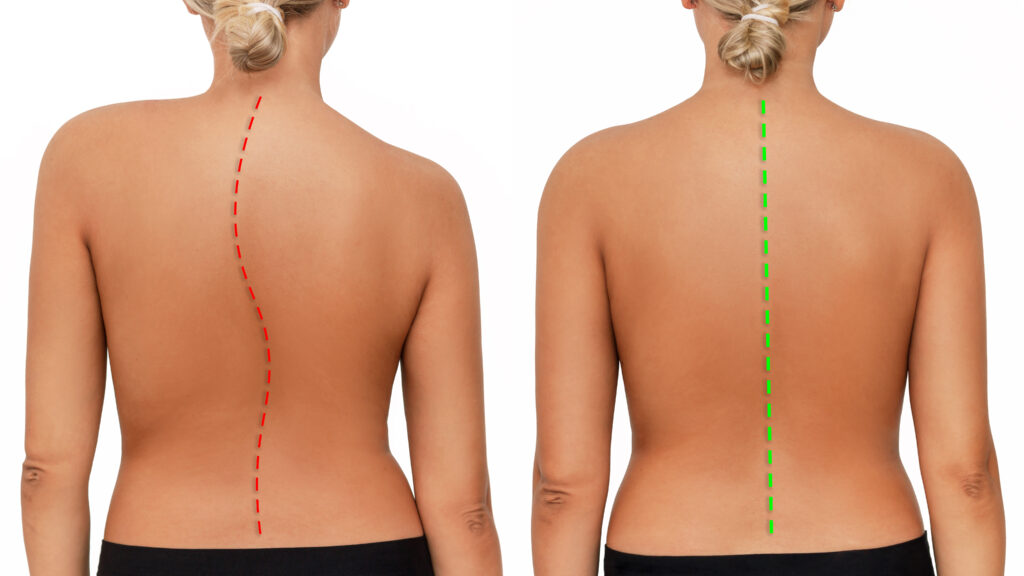
As a local chiropractor, I understand that you may be curious about whether manual therapy, such as chiropractic adjustments and massage, can effectively support your recovery from a sports injury. Many athletes have found these techniques to be beneficial, often reporting quicker recovery times and enhanced performance after incorporating them into their treatment plans.
Research does indicate that manual therapy can play a valuable role in healing, but it's important to approach it with a balanced perspective. While the evidence supporting its use is promising, I encourage you to consider it as part of a comprehensive recovery strategy that includes other forms of rehabilitation and self-care.
At our practice, we focus on educating our patients about how natural healing methods can complement traditional therapies. By understanding both the benefits and limitations of manual therapy, you can make an informed decision about how to incorporate it into your recovery journey. Let's work together to create a plan that aligns with your health goals and promotes optimal healing.
Understanding Manual Therapy
As a local chiropractor, I want to introduce you to the benefits of manual therapy, a hands-on approach that can greatly aid in alleviating pain, improving mobility, and enhancing your overall function.
If you're dealing with a sports injury, it's important to understand how this natural healing method can work for you.
Manual therapy focuses on soft tissues, joints, and muscles through various techniques that offer immediate relief and promote healing. You might be curious about how this process unfolds. Essentially, I utilize specific movements and pressures to gently manipulate your body's tissues. This manipulation boosts blood flow, which can hasten your recovery.
It also helps to break down scar tissue and realign muscle fibers, making it easier for you to regain strength and flexibility following an injury.
A significant benefit of manual therapy is its ability to address both the physical and psychological aspects of pain. By releasing tension throughout your body, this approach can help reduce stress and anxiety that often accompany injuries. Many of my patients have found that this holistic method greatly contributes to an improved sense of well-being.
What's more, manual therapy can be tailored specifically to your individual needs. Whether you're recovering from a sprained ankle or a torn ligament, I'll assess your condition and apply the most suitable techniques for your situation.
This personalized care can make a remarkable difference in your recovery journey. Incorporating manual therapy into your rehabilitation plan can provide essential support as you work towards returning to your sport stronger and more resilient.
Understanding the benefits of this approach is a crucial first step in reclaiming your performance and enhancing your overall health. If you have any questions or would like to learn more about how I can assist you, please feel free to reach out.
Types of Manual Therapy
As a local chiropractor, I'm here to help you understand the various types of manual therapy that can significantly aid in your recovery from sports injuries.
It's important to know about these techniques, as they can empower you to make informed decisions about your healing process.
Let's explore four popular types of manual therapy:
1. Massage Therapy: This technique involves skilled manipulation of soft tissues to alleviate tension, boost circulation, and promote relaxation.
In particular, sports massage zeroes in on areas that have been impacted by injury or overuse, providing targeted relief.
2. Chiropractic Adjustments: A core component of my practice, chiropractic adjustments involve precise movements to realign the spine and joints.
This method not only enhances mobility but also helps to alleviate pain, especially for injuries related to the musculoskeletal system.
3. Myofascial Release: This approach targets the fascia, which is the connective tissue surrounding our muscles.
By applying gentle and sustained pressure, myofascial release can effectively relieve tension, restore movement, and reduce discomfort.
4. Craniosacral Therapy: Taking a more gentle approach, craniosacral therapy involves light touch to release tension in the craniosacral system.
This technique can be particularly beneficial for addressing headaches, neck pain, and other issues stemming from sports injuries.
Each of these manual therapy techniques offers unique benefits and may align with different recovery goals.
I encourage you to consult with a qualified therapist to determine which approach is best suited for your specific injury.
By incorporating these therapies into your recovery plan, you can enhance your healing journey and return to the activities you love more quickly.
Benefits for Sports Injuries
As a local chiropractor, I want to share how manual therapy can be a game-changer when you're recovering from a sports injury.
This hands-on approach not only enhances blood circulation, which is crucial for speeding up the healing process, but also incorporates muscle relaxation techniques that can help ease any tension you're experiencing.
Moreover, we focus on pain reduction strategies that make your recovery journey much more manageable.
Enhanced Blood Circulation
As your local chiropractor, I want to share how enhanced blood circulation is crucial for your recovery from sports injuries. When your body has improved circulation, it can access the oxygen and nutrients it needs to heal effectively. This means that the healing process can be sped up significantly.
When we incorporate manual therapy into your treatment plan, we help facilitate this essential circulation, creating a more favorable environment for healing.
Here are some important benefits of improved blood flow when it comes to sports injuries:
- Faster Healing: With increased blood flow, your body can repair damaged tissues more quickly, which can shorten your recovery time.
- Less Swelling: Better circulation helps to flush out excess fluids and reduce inflammation around the injury site.
- Pain Management: Enhanced blood flow can help relieve pain by delivering vital nutrients and removing waste products from the injured area.
- Greater Mobility: By promoting healing and reducing stiffness, improved circulation allows you to regain strength and flexibility more effectively.
Integrating manual therapy techniques into your recovery plan can significantly enhance your blood circulation. This not only aligns with your body's natural healing processes but also prepares you to return to your sport stronger and more resilient.
Muscle Relaxation Techniques
As a local chiropractor, I want to emphasize the importance of muscle relaxation techniques in your recovery journey, especially after intense workouts or competitions. Understanding these techniques can be a game changer for anyone dealing with sports injuries or simply looking to enhance their overall well-being.
Muscle relaxation techniques, such as stretching, deep breathing, and progressive muscle relaxation, are essential for alleviating muscle tension and facilitating recovery. Stretching not only enhances your flexibility but also helps release tight muscles, which can significantly lower your risk of further injury.
Incorporating deep breathing exercises can increase the oxygen flow to your muscles, promoting relaxation and supporting the healing process.
Progressive muscle relaxation is another valuable tool. This method involves consciously tensing and then relaxing different muscle groups, helping you identify areas that may need extra attention. It fosters a deeper connection with your body and encourages a more mindful approach to self-care.
In addition to these techniques, I recommend incorporating foam rolling and gentle massage into your routine. These practices are fantastic for breaking up muscle knots and improving circulation, both of which are vital for the healing process.
By actively engaging in these muscle relaxation techniques, you're taking significant steps toward recovery and enhancing your overall physical performance.
Prioritizing these practices not only aids in recovery but also helps you maintain peak physical condition. This holistic approach will empower you to return to your activities feeling stronger and more resilient than ever.
Pain Reduction Strategies
As a local chiropractor, I believe it's crucial to empower you with knowledge about pain reduction strategies, especially when it comes to managing sports injuries. Understanding these techniques can significantly enhance your recovery journey.
Here are four effective strategies that I often recommend:
- Manual Therapy: Techniques such as chiropractic adjustments, massage, and mobilization are designed to alleviate pain, improve blood flow, and promote natural healing. These hands-on methods can help your body function better and feel more comfortable.
- Ice Therapy: After an injury, applying ice packs to the affected area can be incredibly beneficial. Ice helps to reduce inflammation and numb the pain, providing immediate relief. It's a simple yet effective way to manage discomfort during the initial stages of healing.
- TENS Units: Transcutaneous Electrical Nerve Stimulation (TENS) devices are another non-invasive option I often recommend. They work by sending gentle electrical impulses to disrupt pain signals, helping you manage discomfort without medication.
- Stretching and Strengthening: Incorporating gentle stretches and focused strengthening exercises into your routine can be pivotal for preventing future injuries and easing existing pain. These practices enhance flexibility and build muscle stability, which are essential for optimal performance and recovery.
By integrating these strategies into your healing process, you can take proactive steps toward managing pain and improving your overall well-being.
If you have any questions about these methods or how chiropractic care can support your recovery, feel free to reach out!
Scientific Evidence and Studies
When it comes to recovering from sports injuries, I want to share some valuable insights about the benefits of manual therapy, which is an integral part of chiropractic care. Research has shown that manual therapy can be an effective treatment option, helping to reduce pain, improve function, and speed up the healing process.
For example, a systematic review published in the *Journal of Orthopaedic & Sports Physical Therapy* found that athletes with musculoskeletal injuries experienced significant pain relief after receiving manual therapy.
You may be surprised to learn that manual therapy not only helps alleviate pain but also enhances joint mobility and muscle flexibility. A study featured in *Physical Therapy* showed that athletes who incorporated manual therapy into their recovery experienced faster healing times compared to those who followed only conventional rehabilitation methods. This indicates that adding manual therapy to your recovery plan could lead to better results.
Additionally, a meta-analysis published in *Sports Medicine* revealed that combining manual therapy with exercise therapy provides even greater improvements in pain relief and functional outcomes for athletes. This suggests that manual therapy can work effectively alongside other treatment approaches.
It's important to highlight that the benefits of manual therapy extend beyond just immediate pain relief. Many athletes who utilize these techniques experience long-term improvements in their performance and a reduced risk of future injuries.
The scientific community is increasingly recognizing manual therapy as a valuable tool in sports injury recovery.
If you're dealing with a sports injury, I encourage you to consider discussing manual therapy with me or another healthcare provider to explore how it can support your healing journey. Embracing chiropractic care can be a natural and effective way to enhance your recovery and overall well-being.
Limitations and Considerations
As a local chiropractor, I want to help you understand the benefits of manual therapy in your sports injury recovery.
It's essential to keep in mind that everyone responds differently to treatment; what works for one person may not work the same way for another. The timing of your sessions can also significantly influence how effective they are, so it's crucial to schedule them thoughtfully.
Furthermore, I often find that combining manual therapy with other complementary therapies can greatly enhance your overall healing process.
Individual Response Variability
As a local chiropractor, I want to help you understand how individual response variability can significantly impact the effectiveness of manual therapy in your sports injury recovery.
It's important to recognize that not everyone responds the same way to treatment, and various factors can influence your healing journey. Here are four key points to consider:
- Type of Injury: Different types of injuries respond differently to manual therapy techniques. For example, a sprained ankle may require a different approach than a strained muscle. Understanding your specific injury is crucial for effective treatment.
- Overall Health: Your general health status, including any pre-existing conditions, can play a major role in how well you respond to chiropractic care. The better your overall health, the more likely you're to experience positive outcomes from treatment.
- Mindset and Expectations: Your mental attitude can greatly influence your recovery process. Maintaining a positive outlook and setting realistic expectations can enhance your healing, making it essential to approach your recovery with an optimistic mindset.
- Chiropractor's Expertise: The skill and experience of your chiropractor can also contribute to the variability in results. An experienced practitioner with a strong understanding of manual therapy techniques may achieve better outcomes than someone who's less experienced.
By understanding these factors, you can set realistic expectations for your recovery.
I encourage you to communicate openly with me about your specific situation and concerns. Together, we can navigate your journey towards recovery and create a personalized treatment plan that considers your unique needs.
Timing of Treatment
As your local chiropractor, I want to emphasize the importance of timing when it comes to manual therapy for sports injury recovery. When you experience an injury, the first few days are crucial. This acute phase often involves inflammation and swelling, which means it's vital to give your body some time to initiate its natural healing process.
Jumping into manual therapy too early can make your injury worse and extend your recovery time.
Typically, after about 48 to 72 hours following your injury, your body enters a stage where manual therapy can be beneficial. At this point, I can assist in alleviating muscle tension, enhancing circulation, and restoring your range of motion.
However, it's essential for you to listen to your body; if you experience discomfort or pain during treatment, please communicate that with me, so we can adjust our approach accordingly.
Additionally, the frequency of your therapy sessions plays a significant role in your recovery. Regular and consistent visits often lead to more effective results than sporadic appointments.
Based on your individual recovery needs, I'll recommend specific intervals for your sessions. By understanding the significance of timing in manual therapy, we can work together to ensure that you regain your strength and mobility in the most effective way possible.
Complementary Therapies Importance
As a local chiropractor, I want to share the significant benefits of integrating complementary therapies alongside manual chiropractic care.
While our hands-on adjustments can effectively address many musculoskeletal issues, combining them with other holistic approaches can greatly enhance your healing journey, address various facets of your injury, and promote overall well-being.
Here are four key points to consider regarding the importance of complementary therapies:
- Holistic Approach: By pairing chiropractic adjustments with therapies such as acupuncture or physical therapy, we can't only alleviate your symptoms but also address the underlying causes of your discomfort. This comprehensive strategy ensures a more thorough recovery process.
- Pain Management: Complementary therapies can offer additional relief from pain, which is vital for your ability to participate in rehabilitation exercises. This can help you regain strength and mobility more effectively.
- Improved Mobility: Engaging in practices like stretching, yoga, or Pilates can enhance your flexibility and range of motion. These activities work hand-in-hand with chiropractic care to maximize the benefits of your treatment.
- Mental Health Benefits: Techniques such as massage therapy and mindfulness practices can significantly reduce stress and anxiety, fostering a more conducive environment for healing and improving your overall performance.
It's important to remember that while incorporating complementary therapies into your treatment plan can be incredibly beneficial, it's essential to discuss this with your healthcare provider.
Together, we can create a personalized recovery strategy that aligns with your unique needs. Every individual's healing journey is distinct, so discovering the right combination of therapies is crucial for your success.
Athlete Testimonials
As a local chiropractor, I've witnessed firsthand the incredible recoveries many athletes experience through manual therapy. You may be surprised to learn that numerous elite athletes credit their successful comebacks to this form of treatment.
One notable example is a professional soccer player who suffered from a stubborn hamstring injury that kept them off the field for weeks. After undergoing a series of targeted manual therapy sessions, they reported significant improvements in flexibility and a notable reduction in pain, allowing them to return to the game much sooner than anticipated.
In another instance, a competitive runner shared how manual therapy was instrumental in overcoming a long-standing knee issue. She described the therapy as transformative, highlighting how the skilled hands of her therapist worked diligently to relieve tension and restore balance to her body. This not only got her back to her training regimen but also enhanced her confidence in her physical abilities.
Additionally, a basketball player recounted his battle with chronic back pain. Initially skeptical about manual therapy, he decided to explore this option after trying other treatments with little success. After several sessions, he experienced a remarkable increase in mobility and strength, enabling him to perform at his peak during the season.
These testimonials illustrate that manual therapy isn't merely a trend; it's a well-established method that many athletes trust. Their experiences demonstrate how integrating this therapy with a comprehensive recovery plan can yield impressive results, helping you regain your peak performance and maintain an active lifestyle.
If you're curious about how chiropractic care can support your healing journey, I encourage you to reach out and learn more.
Integrating Manual Therapy in Recovery
Integrating chiropractic care into your recovery process can significantly enhance your healing journey. This natural approach not only alleviates pain but also promotes mobility and flexibility, allowing you to return to your activity more effectively.
Here's how you can seamlessly incorporate chiropractic care into your recovery routine:
- Consult a Chiropractor: Before starting, it's essential to speak with a qualified chiropractor. They'll assess your condition and develop a personalized treatment plan tailored to your specific needs.
- Combine with Other Recovery Methods: Use chiropractic care alongside other recovery techniques, such as physical therapy or rehabilitation exercises. This comprehensive approach can expedite your healing and enhance overall outcomes.
- Schedule Regular Visits: Consistency is crucial in chiropractic care. Aim for regular appointments, ideally once or twice a week, to maintain progress and effectively manage discomfort.
- Listen to Your Body: Be mindful of how your body responds to treatment. If something feels off, communicate openly with your chiropractor. They can adjust their techniques to align with your comfort level and pace of recovery.
Conclusion
As a local chiropractor, I want to share how incorporating manual therapy into your recovery plan can greatly enhance your healing process from sports injuries. Many patients are not familiar with the various techniques we use in chiropractic care, but understanding these methods can significantly improve your mobility and alleviate pain.
There is a growing body of scientific evidence that supports the effectiveness of manual therapy in injury recovery. However, it's essential to recognize that each person's healing journey is unique. That's why I encourage you to consult with a professional who can tailor a treatment plan to meet your individual needs.
By embracing manual therapy, not only can you expedite your recovery, but you can also improve your overall athletic performance. It's all about getting you back to doing what you love, feeling stronger and healthier than before. If you have any questions about how chiropractic care can help you, don't hesitate to reach out!