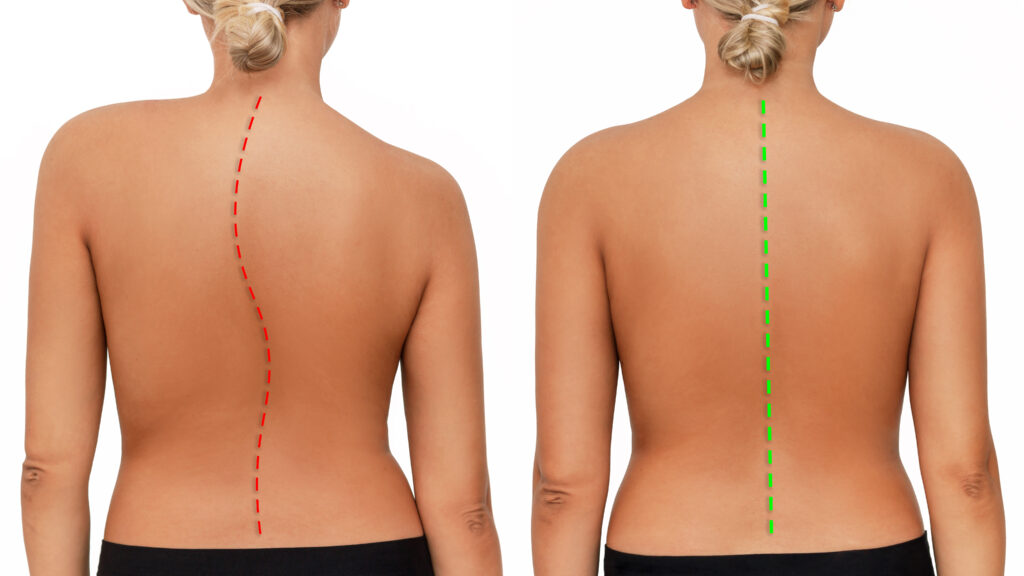
As a local chiropractor committed to your health and recovery, I want to share how effective chiropractic techniques can support you in overcoming sports injuries. When you experience an injury, it's essential to explore natural healing methods that can significantly enhance your recovery journey. Techniques such as spinal adjustments and soft tissue therapy are designed to work in harmony, helping to restore balance in your body and alleviate pain.
But chiropractic care goes beyond just providing immediate relief. You may be surprised to learn that these methods not only aid in your recovery but also improve your overall athletic performance and help prevent future injuries. By incorporating these treatments into your routine, you can change the way you approach injury recovery and ensure a longer, healthier athletic career. Let's delve into how chiropractic care can be a vital part of your healing process and overall well-being.
Understanding Sports Injuries
As a local chiropractor, I want to share some insights about sports injuries and how understanding them can aid your recovery and overall performance. Sports injuries affect countless athletes, from those who engage in weekend activities to professional competitors.
It's crucial to recognize that these injuries can vary widely, including sprains, strains, fractures, and concussions, often arising from overuse, improper technique, or insufficient conditioning.
When you participate in physical activities, your body experiences stress. If you exceed your physical limits without adequate preparation, it can lead to injuries in your muscles, tendons, and ligaments. For example, a sudden twist or impact can result in sprains, while repetitive motions may lead to conditions like tendonitis.
Early recognition of symptoms such as swelling, pain, and limited mobility is vital for effective recovery.
It's also important to consider common risk factors that can increase your likelihood of sustaining a sports injury. Factors like age, fitness level, and previous injuries can all contribute to your vulnerability. Additionally, environmental conditions such as weather and playing surfaces can affect your safety during physical activities.
To help mitigate these risks, I recommend maintaining a balanced training regimen that emphasizes strength, flexibility, and endurance.
At our chiropractic practice, we focus on natural healing methods that promote recovery and enhance your physical performance. By understanding sports injuries and taking proactive steps to prevent them, you can enjoy a healthier and more active lifestyle.
Let's work together to ensure your body is prepared for the challenges of your favorite sports!
Benefits of Chiropractic Care
As a local chiropractor, I want to take a moment to share with you the many benefits of chiropractic care, especially if you're recovering from a sports injury or looking to enhance your overall performance. Chiropractic treatments go beyond just alleviating pain; they promote holistic healing throughout your entire body. This natural approach helps restore balance, which can significantly speed up your recovery process.
One of the primary benefits you'll notice is improved mobility. Injuries often lead to stiffness and a limited range of motion, which can be frustrating. Through specific chiropractic techniques, we work to restore joint function, allowing you to regain your full range of motion. This improvement can greatly impact how quickly you return to the activities you love.
Another significant advantage of chiropractic care is the reduction of inflammation. Our adjustments can enhance blood flow and lymphatic drainage, which plays a crucial role in reducing swelling. With less inflammation comes less pain, enabling you to focus on your recovery journey instead of discomfort.
Additionally, chiropractic care supports your body's natural ability to heal itself. By stimulating the nervous system, our treatments enhance communication between your brain and body. This improved connection can lead to more effective healing responses, helping you bounce back from injuries more swiftly.
What's more, I believe in providing personalized treatment plans that cater to your specific needs. After a thorough assessment of your condition, I'll create a strategy that aligns with your injury type and athletic goals. This tailored approach ensures that we address your unique situation effectively, putting you on the path to a successful recovery.
If you're new to chiropractic care, I encourage you to explore how this natural healing approach can benefit you!
Spinal Adjustments
As a local chiropractor, I want to share how spinal adjustments can significantly improve your alignment and overall well-being.
Many of my patients find that these adjustments help to reduce discomfort and enhance their performance in daily activities. You may notice an increased range of motion, which allows you to move more freely during everything from exercise to simple tasks.
Additionally, spinal adjustments are effective pain relief techniques that can support your recovery from sports injuries and other ailments.
If you're new to chiropractic care, I encourage you to explore how these natural healing methods can benefit your health and lifestyle.
Improved Alignment Benefits
As a local chiropractor, I want to take a moment to explain how proper alignment can significantly aid in your recovery from sports injuries. Many people may not realize that achieving optimal alignment through chiropractic care can greatly alleviate pain and inflammation, allowing your body to focus on healing effectively.
When we perform spinal adjustments, we correct misalignments in your spine. This not only improves your overall function but also reduces stress on your muscles and joints. Think of it as setting a strong foundation for your body—when everything is aligned, it can distribute weight and absorb impact more efficiently during physical activity. This is crucial because it means you're less likely to sustain further injuries while you're in the process of recovery.
Furthermore, when your body is properly aligned, your nervous system operates more effectively, sending clearer signals to your muscles and tissues to promote healing. This can result in less discomfort as you engage in necessary rehabilitation exercises, making the process more enjoyable and productive.
Aligned joints also play a vital role in minimizing wear and tear on your body, which is particularly important as you work to return to your favorite sports and activities. Many of my patients notice an increase in energy levels after receiving chiropractic care, allowing them to engage wholeheartedly in their recovery.
By making regular chiropractic visits part of your healing journey, you can maintain this alignment and stay on track. Investing in your alignment is investing in a stronger, more resilient version of yourself.
Let's work together to ensure you're ready to get back to doing what you love!
Enhanced Range of Motion
As a local chiropractor, I want to share with you one of the key benefits of spinal adjustments: enhanced range of motion. When you visit my office for spinal adjustments, I focus on realigning your spine, which can significantly increase your flexibility and mobility.
This is particularly important for anyone, especially athletes, who are looking to recover from injuries and enhance their performance. By improving your spinal function, you can move more freely, making it easier to participate in various physical activities.
Here are a few ways that an enhanced range of motion can positively impact your life:
- Improved Flexibility: Regular spinal adjustments can help stretch and loosen tight muscles, resulting in better overall flexibility. This means you can enjoy a wider range of motion in your daily activities.
- Injury Prevention: With a greater range of motion, you're less likely to strain or injure yourself when engaging in physical activities. Your body is able to move more naturally, reducing the risk of accidents.
- Better Performance: Increased mobility can lead to enhanced athletic performance. When your body can move more efficiently, you can execute movements with greater effectiveness, whether you're playing sports or simply enjoying recreational activities.
I encourage you to consider the benefits of chiropractic care and how it can help you achieve a more active, pain-free lifestyle.
Let's work together to optimize your health and well-being!
Pain Relief Techniques
As a local chiropractor, I want to share the importance of enhancing your range of motion, which is a crucial step towards effective pain relief. One of the key techniques we use in our practice is spinal adjustments. By realigning your spine, we can help reduce nerve irritation, which can significantly alleviate discomfort.
When your spine is properly aligned, your body can function more efficiently, allowing you to engage in daily activities and sports without the burden of pain. You might be curious about how spinal adjustments actually work. During your visit, I'll use precise and controlled force to gently manipulate your spine and joints.
This technique not only aids in pain relief but also promotes better circulation, which is essential for recovery. Many of my patients, including athletes, often report an immediate reduction in pain following their adjustments, enabling them to return to their training regimens sooner.
In addition to pain relief, spinal adjustments can greatly enhance your overall well-being by improving your posture and balance. This is vital for preventing future injuries, ensuring that you remain active and competitive.
Soft Tissue Therapy
As a local chiropractor, I want to emphasize the significant role that soft tissue therapy plays in the recovery process from sports injuries. Many individuals may not be familiar with how chiropractic care and natural healing can facilitate recovery, so let me explain how this technique works.
Soft tissue therapy involves the manipulation of muscles, tendons, ligaments, and fascia. Its primary aim is to reduce pain, enhance mobility, and support overall healing. By incorporating soft tissue therapy into your recovery plan, you can experience a quicker and more effective recovery.
Here are some key benefits of soft tissue therapy that I want you to know about:
- Increased Blood Flow: This technique stimulates circulation in the injured area, ensuring that oxygen and nutrients necessary for healing are effectively delivered. Enhanced blood flow is crucial for recovery.
- Reduced Muscle Tension: Many people experience tightness in their muscles after an injury, which can lead to pain and limited movement. Soft tissue therapy helps alleviate this tension, allowing you to feel more relaxed and move more freely.
- Enhanced Flexibility: Regular sessions of soft tissue therapy can significantly improve your range of motion. This means that as you recover, you'll find it easier to regain full function and return to your active lifestyle.
If you're considering a recovery plan, integrating soft tissue therapy with chiropractic care can yield remarkable results. It's essential to work with a qualified professional who understands your unique needs and can tailor the therapy to suit you.
With the guidance of a chiropractor, you can navigate your recovery journey with greater ease and confidence, getting back to your favorite sports activities sooner.
Myofascial Release Techniques
As a local chiropractor, I want to help you understand the importance of soft tissue therapy, particularly myofascial release techniques. These techniques focus on the fascia, which is the connective tissue that envelops your muscles and organs. If you've ever experienced sports injuries, you may know that restrictions in this fascia can lead to pain and limited mobility.
Myofascial release aims to alleviate these restrictions, helping you recover more efficiently and enhancing your overall physical performance.
When you come in for a myofascial release session, you'll typically lie down while I apply gentle, sustained pressure to specific areas of your body. This is different from deep tissue massage; it's a more subtle approach designed to encourage the fascia to relax and release any tension. You may feel a bit of discomfort at first, but it's important to know that this should quickly turn into a feeling of relief as the tightness begins to dissipate.
One of the most significant advantages of myofascial release is its ability to tackle not just the symptoms of pain but also the underlying causes. By restoring proper function to your fascia, you're not only speeding up your recovery but also lowering the chances of future injuries. Many patients notice a considerable improvement in their range of motion after just a few sessions.
Integrating myofascial release into your recovery plan can enhance other chiropractic techniques, offering a comprehensive approach to healing.
Whether you're just starting out in sports or you've been competing for years, understanding and utilizing these techniques can make a significant difference in your recovery from injuries. I encourage you to consider adding myofascial release to your wellness routine and experience the benefits firsthand.
Active Release Technique
Active Release Technique (ART) is an effective method that focuses on addressing soft tissue issues by pinpointing and treating specific problems within your muscles and fascia.
As a local chiropractor, I want to help you understand how ART can significantly improve your recovery time and overall well-being, especially if you lead an active lifestyle.
This technique involves a hands-on approach where we identify areas of tension and dysfunction, allowing us to release tightness and restore proper movement.
By doing so, ART can enhance your performance in daily activities or sports, reduce pain, and prevent further injuries.
Let's delve into how ART works and the numerous benefits it can offer for your health and vitality.
Mechanism of Action
The Active Release Technique (ART) is a powerful method that I often recommend to my patients for addressing soft tissue issues that can lead to pain and restricted movement.
Essentially, ART works on the principle of targeting and releasing adhesions in muscles, tendons, and ligaments. These adhesions can form due to various factors, such as overuse, injury, or repetitive motions, and can significantly affect your daily activities.
During an ART session in my practice, I'll carefully assess your soft tissues for any areas of restriction. By applying specific manual pressure while you move through various ranges of motion, we can effectively break down those adhesions.
This process isn't only designed to relieve pain but also to restore normal function to your tissues, ultimately enhancing your overall performance and well-being.
Here are some key elements of the ART technique that I want you to know about:
- Precision: ART is highly targeted; we focus on specific areas of tension, ensuring that we address the root of your discomfort.
- Movement: Your active participation is crucial. As we work together, you'll move your body through specific motions that help facilitate the release of tension and improve the effectiveness of the treatment.
- Versatility: One of the great benefits of ART is its adaptability. It can be utilized on various muscle groups, making it suitable for a range of injuries, whether you're an athlete or someone dealing with everyday strains.
I believe that understanding these techniques can empower you to take control of your health and healing journey.
If you have any questions about how ART can benefit you, feel free to ask during our next appointment!
Benefits for Athletes
As a local chiropractor, I understand that many athletes face distinct challenges during their recovery process. That's where techniques like Active Release Technique (ART) come into play, providing significant benefits tailored to your needs.
When you push your body to its limits, you may encounter muscle tightness, adhesions, and injuries. ART specifically addresses these issues by applying targeted pressure to affected muscles, tendons, ligaments, and fascia, promoting faster healing and restoring function.
One of the standout benefits of ART is its ability to enhance your range of motion. By breaking down scar tissue and alleviating tension, you can experience smoother and more efficient movements. This improved mobility not only aids in your recovery but also elevates your overall performance, whether on the field or the court.
Moreover, ART can help reduce pain and inflammation, allowing you to get back to training sooner without the burden of lingering discomfort. A significant advantage of ART is its personalized approach; as a chiropractor, I assess your specific needs and tailor each session to address your unique concerns.
Incorporating Active Release Technique into your recovery regimen can be transformative. It empowers you to recover stronger, keeping you at the peak of your performance while also minimizing the risk of future injuries.
If you're looking to enhance your recovery and overall well-being, consider exploring the benefits of chiropractic care and ART.
Kinesiology Taping
As a local chiropractor, I want to share some valuable insights about kinesiology taping, a technique that can be incredibly beneficial for those recovering from sports injuries or looking to enhance their performance.
Kinesiology taping involves applying elastic therapeutic tape directly to the skin, offering support to muscles and joints without limiting your range of motion. Whether you're healing from an injury or aiming to prevent one, this method can make a significant difference.
Here are some advantages you may experience when using kinesiology tape:
- Pain Relief: The tape alleviates pain by reducing pressure on pain receptors located in your skin and muscles, which can help you manage discomfort more effectively.
- Improved Mobility: Thanks to its elastic properties, the tape allows for greater freedom of movement, making physical activities more comfortable and enjoyable.
- Injury Prevention: By providing extra support to your muscles and joints, kinesiology taping can help reduce the risk of injuries, especially during intense workouts or competitions.
For optimal results, it's crucial to apply kinesiology tape correctly. Start by cleaning the area where the tape will be placed.
Make sure the tape is cut to the appropriate length and shape tailored to your specific injury. If you're unsure about the best techniques, I encourage you to consult with a trained professional, like a chiropractor, who can guide you through the process.
With proper application, kinesiology taping can be a powerful tool in your recovery journey, helping you return to your favorite activities with increased confidence and speed.
I'm here to support you in exploring natural healing options that fit your lifestyle and needs.
Rehabilitation Exercises
As your local chiropractor, I want to emphasize the importance of incorporating rehabilitation exercises into your recovery plan after a sports injury. These exercises are designed to enhance your healing process by focusing on restoring strength, flexibility, and stability—key components that will help you get back to your favorite activities safely.
Once we conduct a thorough assessment of your injury, I'll develop a personalized rehabilitation program tailored specifically to your needs. This approach ensures that we address your unique situation effectively.
We typically start with gentle range-of-motion exercises. These are crucial for maintaining flexibility and reducing stiffness in the injured area. As you begin to feel more comfortable, we can gradually introduce strength training exercises. This may involve using resistance bands or body-weight movements that target the affected muscles without putting them under excessive strain. It's essential to listen to your body during this process; if you experience pain, please let me know so we can adjust the program accordingly.
In addition to strength training, balance and proprioception exercises are vital for your recovery. Engaging in activities like single-leg stands or stability ball exercises can greatly improve your coordination and help prevent future injuries. By incorporating these exercises into your routine, you'll regain confidence in your movements as you heal.
Endurance training is another important aspect of your rehabilitation. Low-impact activities such as cycling or swimming can help you maintain your cardiovascular fitness while allowing your injured area to recover.
As you progress, I may introduce sport-specific drills. These exercises won't only help you meet the demands of your sport but also enhance your overall performance. My goal is to ensure that you're not just recovering but also emerging from this experience stronger than before.
Preventive Care Strategies
As a local chiropractor, I want to emphasize the significant role that preventive care strategies play in maintaining your overall health and minimizing the risk of sports injuries. By integrating these strategies into your daily routine, you can ensure that your body remains in optimal condition, allowing you to perform at your best.
Understanding your body's unique needs and taking proactive steps can help you sidestep injuries before they even arise. One key approach I recommend is prioritizing regular chiropractic check-ups. During these visits, we can assess your spine and joints to identify any misalignments or imbalances that may make you more susceptible to injuries.
Furthermore, staying physically active through exercises specifically tailored to your sport can significantly boost your strength and flexibility.
Here are some preventive care strategies I encourage you to consider:
- Warm-Up and Cool Down: Always incorporate proper warm-up and cool-down routines before and after your workouts. These practices are essential for preparing your muscles and joints for activity and facilitating recovery afterward.
- Cross-Training: Vary your training regimen by engaging in different activities. This not only helps prevent overuse injuries but also fosters overall fitness and diminishes muscle imbalances.
- Listen to Your Body: It's crucial to pay attention to any signs of discomfort or fatigue. Ignoring these signals can lead to more serious injuries in the future.
By embracing these preventive care strategies, you can take charge of your health and well-being. If you have any questions or would like to learn more about how chiropractic care can support your preventive health journey, feel free to reach out.
I'm here to help you stay healthy and active!
Conclusion
As a local chiropractor, I want to share how incorporating chiropractic techniques into your recovery plan can truly enhance your healing from sports injuries. Many people are not familiar with how chiropractic care works, so let me explain: by addressing misalignments in your spine and alleviating muscle tension, we can promote healing more effectively and help you recover faster.
Chiropractic care goes beyond just adjustments; it includes a combination of spinal alignments, soft tissue therapies, and preventive measures that not only aid in recovery but also improve your overall performance. This holistic approach can significantly reduce the risk of future injuries, allowing you to reach your full athletic potential.
If you're not yet familiar with chiropractic care, I encourage you to consider adding it to your routine. It could be the missing piece in your recovery journey and a valuable tool for maintaining your health and performance in sports!