When you face sports-related pain, finding the right treatment can feel overwhelming. You've got options ranging from physical therapy techniques to alternative therapies, each with its own benefits. Understanding these methods is essential for your recovery and performance. Have you considered how innovative treatments like cryotherapy could change your approach to pain management? Or perhaps you're curious about the effectiveness of home remedies? Let's explore these avenues further and uncover what might work best for you.
Understanding Sports Injuries
Sports injuries are more common than you might think, affecting athletes of all levels. Whether you're a weekend warrior or a seasoned pro, you're at risk for injuries that can sideline you for days, weeks, or even longer. Understanding these injuries is the first step towards prevention and recovery.
Common injuries include sprains, strains, fractures, and tendonitis. Sprains occur when ligaments are stretched or torn, often happening in the ankle or knee. Strains, on the other hand, involve muscles or tendons and usually affect the back or hamstring. Fractures can range from minor cracks to complete breaks, often resulting from high-impact sports or falls.
Tendonitis, characterized by inflammation of the tendon, commonly affects the elbow, shoulder, or knee.
Recognizing the signs of injury is vital. Pain, swelling, bruising, and limited range of motion can all indicate an underlying issue. If you ignore these symptoms, you risk exacerbating the injury, leading to longer recovery times. It's important to listen to your body and not push through the pain.
Preventative measures like proper warm-ups, strength training, and using appropriate gear can greatly reduce your risk of injury. Additionally, maintaining flexibility through stretching can help keep your muscles and joints healthy.
Understanding the mechanics of your sport and being aware of your body's signals will empower you to stay active while minimizing the risk of injury. Remember, knowing how to identify and address sports injuries is key to enjoying a long, fulfilling athletic career.
Physical Therapy Techniques
After recognizing the signs of a sports injury and understanding its nature, the next step in your recovery journey often involves physical therapy techniques. These methods can be essential in reducing pain, restoring function, and preventing future injuries.
Here are some effective techniques you might encounter during your sessions:
- Manual Therapy: Hands-on techniques that improve tissue mobility and relieve pain.
- Therapeutic Exercises: Customized workouts designed to strengthen muscles and enhance flexibility.
- Modalities: Treatments like ultrasound or electrical stimulation to reduce pain and inflammation.
- Functional Training: Activities that mimic your sport to prepare your body for the demands of athletic performance.
- Education: Learning about body mechanics and injury prevention strategies to empower your recovery.
Physical therapy isn't just about alleviating pain; it's about restoring your body's strength and flexibility. A trained physical therapist will assess your specific needs and craft a tailored plan that addresses your injury while considering your overall fitness goals.
Keep in mind that consistency is key. Regular sessions and adherence to prescribed exercises at home can greatly enhance your recovery process.
Additionally, your therapist may teach you techniques to incorporate proper movement patterns into your daily activities. This proactive approach helps guarantee that once you're back in the game, you'll be less likely to face similar issues in the future.
Trust the process, stay committed, and you'll soon find yourself back to your best performance level.
Medication Options
Often, medication can play an essential role in managing pain associated with sports injuries. When you experience discomfort, it's vital to address it promptly to prevent further complications and to aid your recovery.
Over-the-counter options like nonsteroidal anti-inflammatory drugs (NSAIDs), including ibuprofen and naproxen, can effectively reduce both pain and inflammation. These medications work by blocking the chemicals in your body that cause pain, allowing you to get back to your activities sooner.
If your pain is more severe, your doctor might prescribe stronger pain relievers, such as opioids. While these can be helpful for short-term relief, it's important to use them cautiously due to their potential for addiction and side effects. Always follow your doctor's instructions and never exceed the recommended dosage.
In addition to pain relief, some medications target specific conditions. For example, corticosteroids can help reduce inflammation in joints or muscles and may be injected directly into the affected area for quicker relief.
Muscle relaxants can also be prescribed if muscle spasms are contributing to your discomfort.
Alternative Therapies
When it comes to managing sports-related pain, alternative therapies like acupuncture and chiropractic adjustments can offer effective relief.
You might find that these methods not only alleviate discomfort but also enhance your overall performance.
Let's explore how these therapies can benefit you on your athletic journey.
Acupuncture for Pain Relief
Acupuncture stands out as a compelling alternative therapy for sports-related pain relief. This ancient practice involves inserting thin needles into specific points on your body, promoting healing and alleviating discomfort.
Many athletes find acupuncture beneficial for various reasons, including:
- Reduced inflammation: Acupuncture can help decrease swelling and improve recovery times.
- Pain management: It effectively targets chronic pain areas, offering a natural solution.
- Improved blood circulation: Enhanced circulation aids in delivering nutrients and oxygen to injured tissues.
- Muscle relaxation: The therapy helps relieve muscle tension, making it easier for you to perform.
- Stress reduction: Acupuncture can lower stress levels, contributing to overall well-being and better athletic performance.
If you're struggling with pain from sports injuries, consider incorporating acupuncture into your treatment plan.
Many athletes report significant improvements after just a few sessions. While results can vary, this holistic approach may be the key to revealing your body's natural healing abilities.
Always consult with a qualified practitioner to guarantee the best outcomes for your specific needs. Embracing acupuncture could enhance your recovery journey and keep you in the game longer.
Chiropractic Adjustments Benefits
Chiropractic adjustments offer another effective alternative for managing sports-related pain, complementing therapies like acupuncture. When you engage in sports, your body can experience misalignments that lead to discomfort and decreased performance. Chiropractors specialize in identifying and correcting these issues, helping you regain peak function.
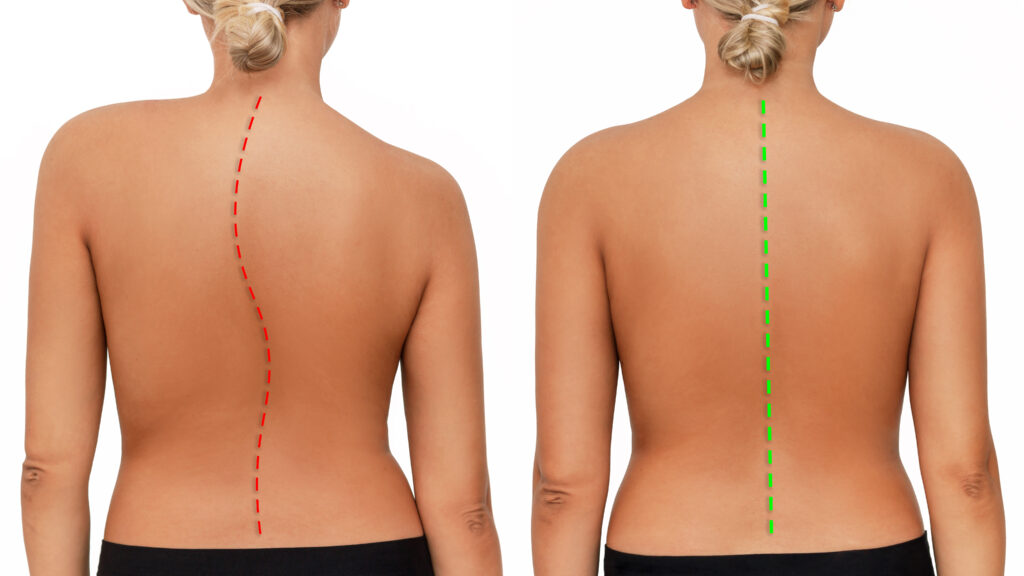
One of the main benefits of chiropractic care is its focus on spinal alignment. By ensuring your spine is in proper alignment, you can improve your overall mobility and reduce pain. This not only helps in recovery from injuries but can also prevent future issues.
You'll likely notice an increase in your range of motion, allowing you to perform better in your sport. Chiropractors also use techniques like soft tissue therapy and stretching, which can enhance your recovery. By addressing muscle tension and improving circulation, you'll feel more relaxed and ready to tackle your next game or workout.
Moreover, chiropractic adjustments are non-invasive and often come with fewer side effects compared to medication. If you're looking for a holistic approach to pain relief, consider incorporating chiropractic adjustments into your routine.
You'll be amazed at how much better you can feel and perform.
Innovative Treatments
When you're dealing with sports-related pain, innovative treatments can offer new hope.
Techniques like cryotherapy, regenerative medicine, and electrical stimulation therapy are gaining attention for their potential benefits.
Let's explore how these cutting-edge approaches might help you recover faster and feel better.
Cryotherapy Benefits
If you've ever pushed your limits in sports, you know how essential recovery is to maintaining peak performance.
One of the most innovative methods gaining traction is cryotherapy, which uses extreme cold to heal and rejuvenate your body. This treatment can provide a host of benefits that make it a game-changer for athletes like you.
Here are some key advantages:
- Pain Relief: Cryotherapy helps numb pain and reduce inflammation, allowing you to bounce back faster.
- Faster Recovery: By promoting blood circulation, it accelerates muscle recovery and reduces soreness after intense workouts.
- Reduced Muscle Spasms: The cold therapy can help alleviate muscle spasms, giving you more freedom of movement.
- Improved Sleep: Many athletes report better sleep quality after sessions, enhancing overall recovery.
- Mental Resilience: Enduring cold exposure can boost your mental toughness, a key component in competitive sports.
Incorporating cryotherapy into your recovery routine can considerably enhance your performance and keep you in the game longer.
Give it a try and experience its benefits firsthand!
Regenerative Medicine Techniques
After exploring the benefits of cryotherapy, it's clear that athletes are continually seeking innovative treatments to enhance recovery and performance.
One such approach gaining traction is regenerative medicine. This field focuses on repairing and regenerating damaged tissues, which can be particularly beneficial for sports-related injuries.
Techniques like platelet-rich plasma (PRP) therapy involve using your own blood to extract growth factors that promote healing. When injected into injured areas, PRP can considerably speed up recovery by stimulating tissue regeneration.
You might also consider stem cell therapy, which harnesses the body's natural healing capabilities. By introducing stem cells into damaged tissues, you can potentially rejuvenate and restore function.
Another promising technique is prolotherapy, where a solution is injected into joints or ligaments to induce a healing response. This can help alleviate chronic pain and improve stability.
These regenerative approaches not only target pain relief but also address the underlying issues, helping you return to your sport stronger and more resilient.
Electrical Stimulation Therapy
Electrical stimulation therapy is gaining popularity among athletes looking for effective pain relief and improved recovery. This innovative treatment uses electrical impulses to stimulate nerves and muscles, promoting healing and reducing discomfort.
If you're dealing with sports-related pain, consider these benefits that electrical stimulation therapy can offer:
- Pain Reduction: It helps alleviate acute and chronic pain by blocking pain signals sent to the brain.
- Muscle Recovery: The treatment enhances blood circulation, speeding up the recovery process after intense workouts.
- Increased Range of Motion: Regular sessions can improve flexibility and mobility, essential for maintaining peak performance.
- Non-Invasive: Unlike surgery or injections, it's a safe, non-invasive option that requires minimal downtime.
- Customizable Treatment: You can adjust settings to target specific areas, tailoring the therapy to your unique needs.
Incorporating electrical stimulation therapy into your recovery routine can make a noticeable difference in how you perform and feel.
Always consult with a healthcare professional to confirm it's the right fit for your condition. With the right approach, you can get back to doing what you love sooner and with less discomfort.
Home Remedies
When sports-related pain strikes, you can often turn to effective home remedies to ease discomfort. One of the simplest and most popular options is ice therapy. Applying an ice pack to the affected area for 15 to 20 minutes can help reduce swelling and numb sharp pain. Be sure to wrap the ice pack in a cloth to avoid frostbite on your skin.
Another remedy you might find helpful is heat therapy. After the initial swelling has gone down, using a warm compress or heating pad can relax tight muscles and improve blood flow. Just like with ice, apply heat for about 15 to 20 minutes, but be cautious not to overheat the area.
You can also try gentle stretching and strengthening exercises. These movements can help maintain flexibility and prevent stiffness. Focus on slow, controlled motions that don't cause additional pain.
Herbal remedies like turmeric and ginger can also provide anti-inflammatory benefits. Consider adding these spices to your meals or drinking them in tea form to help combat pain from within.
Lastly, don't underestimate the power of rest. Giving your body time to heal is vital, so listen to your body and take breaks as needed.
Using these home remedies can help you manage sports-related pain effectively. However, if the pain persists or worsens, it's important to consult a healthcare professional for a thorough assessment.
Preventive Measures
To keep sports-related pain at bay, it's essential to adopt preventive measures that protect your body. Your best defense against injury lies in being proactive about your physical health and training habits.
Here are some important steps you can take:
- Warm-Up Properly: Spend at least 10-15 minutes warming up to prepare your muscles and joints for intense activity.
- Use Proper Equipment: Invest in quality gear that suits your sport, including shoes that provide adequate support and cushioning.
- Stay Hydrated: Drink plenty of water before, during, and after your activities to prevent muscle cramps and fatigue.
- Practice Good Technique: Whether you're running, swimming, or playing a team sport, mastering proper techniques can help minimize stress on your body.
- Cross-Train: Incorporate a variety of exercises into your routine to balance muscle use and reduce the risk of overuse injuries.
Conclusion
In summary, finding the right treatment for sports-related pain relief is essential for your recovery and performance. Whether you opt for physical therapy, alternative therapies, or innovative treatments, each option can help you manage pain effectively. Don't forget the importance of home remedies and preventive measures to keep you in top shape. By understanding your needs and exploring these various methods, you can get back to doing what you love, pain-free and stronger than ever.