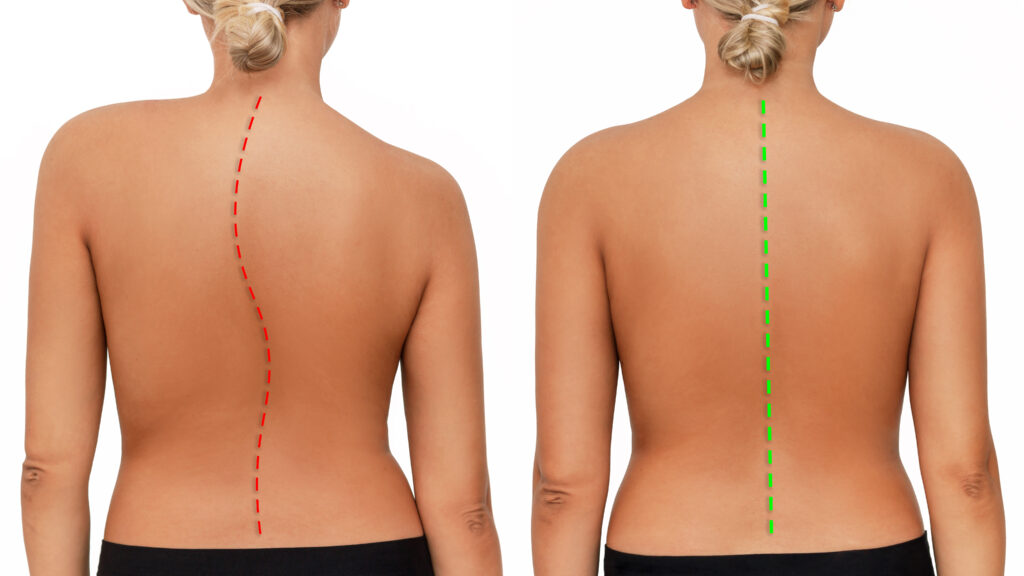
When you face a sports injury, understanding your treatment options can greatly influence your recovery. It's important to start with conservative methods like rest and ice, but if your symptoms linger, you might wonder what advanced interventions are available. From corticosteroid injections to surgical solutions, the choices can seem overwhelming. Consulting a healthcare provider is vital to tailor a plan that suits your needs. But what happens when those initial treatments don't yield results? Exploring the next steps could change your outlook on recovery and performance.
Understanding Common Sports Injuries
When you think about sports injuries, it's easy to overlook just how common they're among athletes of all levels. Whether you're a weekend warrior or a professional athlete, the risk of injury is always present. Understanding the most common types of sports injuries can help you stay aware and take preventive measures.
One of the most frequent injuries is a sprain, which occurs when ligaments get stretched or torn. This usually happens in high-impact sports like basketball or soccer.
Strains, on the other hand, involve muscles or tendons and often occur in activities that require sudden bursts of speed, like sprinting. You might also encounter tendonitis, an inflammation often caused by repetitive motion, common in runners or swimmers.
Fractures, though less common, can happen in any sport. These breaks can range from hairline fractures to complete breaks, often resulting from falls or collisions.
Dislocations, where bones get forced out of their normal position, are also serious injuries that require immediate attention.
It's vital to recognize the signs of these injuries, such as swelling, pain, or difficulty moving the affected area. Ignoring these symptoms can lead to more severe long-term issues.
Conservative Treatment Approaches
Conservative treatment approaches are often the first line of defense for managing sports injuries effectively. These methods focus on promoting healing and reducing pain without invasive procedures. By opting for conservative treatments, you give your body the chance to recover naturally while minimizing risks.
Here are four common conservative treatment options you might consider:
- Rest: Taking time off from the sport is essential. It allows your body to heal and prevents further injury. Listen to your body—if you're in pain, it's time to rest.
- Ice: Applying ice packs to the injured area can help reduce swelling and numb pain. Aim for 15-20 minutes every couple of hours during the first few days after the injury.
- Compression: Using an elastic bandage or compression wrap can help control swelling and provide support. Just make sure it's snug but not too tight to restrict blood flow.
- Elevation: Keeping the injured area elevated above the level of your heart can help reduce swelling. Prop it up on pillows or cushions when resting.
Alongside these methods, over-the-counter pain relievers like ibuprofen can assist in managing discomfort.
It's important to consult with a healthcare professional if symptoms persist or worsen. By implementing these conservative treatment approaches, you'll be on the path to recovery, preparing to hit the field stronger than ever.
Advanced Medical Interventions
Advanced medical interventions can play an important role in treating sports injuries that don't respond to conservative methods. When you find that rest, ice, compression, and elevation aren't providing the relief you need, it might be time to explore more advanced options. These interventions often aim to address the underlying issues causing your pain and dysfunction.
One option is corticosteroid injections, which can greatly reduce inflammation and pain in joints and soft tissues. This treatment can help you regain mobility and return to your sport more quickly.
Another advanced approach is platelet-rich plasma (PRP) therapy, where your own blood is drawn, processed to concentrate the platelets, and injected into the injured area. This method harnesses your body's natural healing properties and has shown promising results for various soft tissue injuries.
If you're facing severe injuries, surgical intervention might be necessary. Procedures like arthroscopy can help repair damaged ligaments, cartilage, or tendons. This minimally invasive surgery often leads to quicker recovery times and less post-operative pain.
Lastly, stem cell therapy is emerging as an innovative treatment option, leveraging your body's stem cells to promote healing. This cutting-edge approach is still being studied, but it holds promise for chronic injuries that are difficult to treat.
Consult your healthcare provider to determine the best advanced intervention suited for your specific injury. Each option has its pros and cons, so it's vital to make informed decisions to guarantee your ideal recovery.
Rehabilitation and Recovery Techniques
Rehabilitation and recovery techniques are essential for athletes looking to bounce back from injuries and regain their peak performance.
These methods not only help you heal but also prepare you for a safe return to your sport. Here are four key techniques you should consider:
1. Physical Therapy: Working with a physical therapist can help you strengthen injured areas and improve your range of motion.
Through tailored exercises, you'll rebuild strength and flexibility, fundamental for preventing further injuries.
2. Ice and Heat Therapy: Alternating between ice and heat can considerably reduce inflammation and promote blood flow.
Ice helps numb the pain, while heat relaxes muscles and improves circulation, speeding up the healing process.
3. Strength Training: Once you've progressed, integrating strength training into your routine is essential.
Focus on exercises that target both the injured area and surrounding muscles. This builds a strong support system to help prevent future injuries.
4. Mind-Body Techniques: Don't underestimate the power of mental recovery.
Techniques like meditation or visualization can help you stay positive and focused during your rehabilitation journey. This mental resilience can be just as important as physical recovery.
Preventative Measures and Tips
To prevent sports injuries, it's important to adopt a proactive approach that emphasizes proper training and body care. Start by making sure you warm up before any activity. A good warm-up increases blood flow to your muscles and prepares your body for the physical demands ahead. Incorporate dynamic stretches and sport-specific drills to enhance flexibility and coordination.
Next, focus on strength training. Building muscle strength around your joints can appreciably reduce your risk of injury. Incorporate exercises that target key muscle groups relevant to your sport.
Additionally, don't forget about balance and agility training; these are critical for preventing falls and mishaps during gameplay.
Hydration plays an important role in injury prevention, too. When you're dehydrated, your muscles can cramp, leading to injuries. Make it a habit to drink water before, during, and after your workouts or games.
Listen to your body. If you're feeling pain or fatigue, take a break. Pushing through discomfort can lead to severe injuries. Make sure you're getting enough rest and recovery time, especially after intense sessions.
Finally, wear appropriate gear. Proper footwear and protective equipment tailored to your sport can shield you from common injuries. Check your gear regularly for wear and tear, and replace it as needed.
Conclusion
In summary, steering through treatment options for sports injuries is essential for your recovery and performance. Whether you choose conservative methods like rest and ice or opt for advanced interventions like PRP therapy, it's important to listen to your body and consult with a healthcare professional. By understanding your injury and exploring the right treatments, you can get back to doing what you love. Remember, prevention is just as important, so keep your body strong and ready for action!