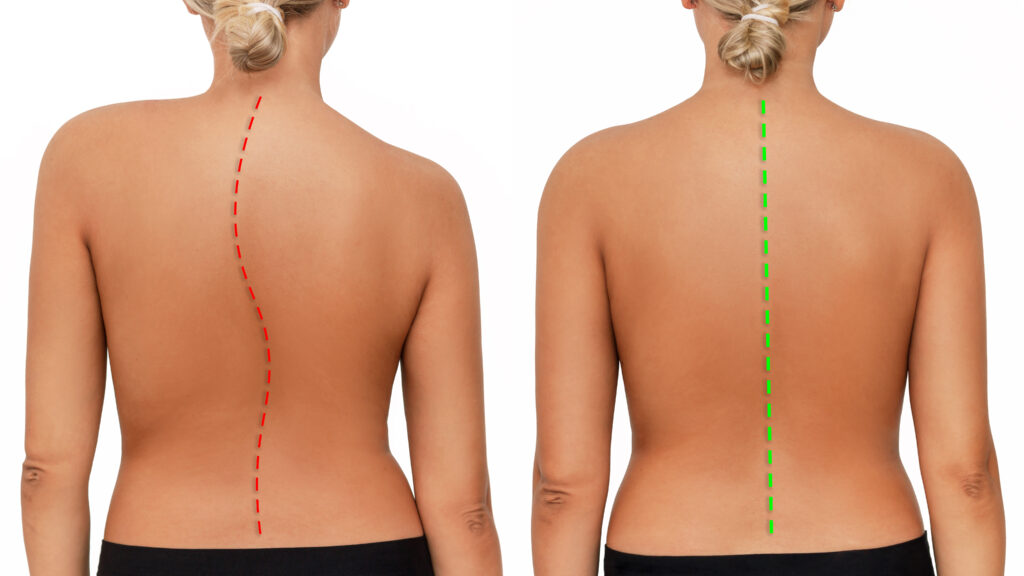
As a local chiropractor dedicated to your well-being, I want to emphasize the importance of caring for your neck during recovery from an injury. It's crucial to approach your healing process with both mindfulness and intention. Gentle techniques, such as targeted stretching and mindful breathing exercises, can significantly impact your recovery journey.
Incorporating these practices not only helps alleviate discomfort but also contributes to your overall health and wellness. I understand that navigating this healing process may feel overwhelming, especially if you're new to chiropractic care and natural healing methods. That's why it's essential to learn how to effectively implement these techniques into your daily routine.
To create a holistic recovery plan tailored to your specific needs, consider methods like gentle neck stretches that promote flexibility and mobility, along with deep breathing exercises that reduce tension and stress. I'm here to guide you through these practices, ensuring you feel supported every step of the way on your path to recovery. Let's work together to achieve the best possible outcomes for your neck health.
Understanding Neck Injuries
As a local chiropractor, I want to help you understand neck injuries and the natural healing process involved in their recovery. Neck injuries can affect anyone, and it's essential to recognize their nature to promote effective healing. These injuries often arise from accidents, falls, or even the cumulative effects of poor posture over time. You may notice symptoms such as pain, stiffness, or limited mobility, all of which can significantly disrupt your daily life. Identifying the type of neck injury you have is a vital first step.
Common neck injuries include strains, sprains, and herniated discs. A strain usually involves the overstretching or tearing of muscles or tendons, while a sprain impacts the ligaments that support your neck. A herniated disc occurs when the soft material within the disc bulges out, putting pressure on nearby nerves. Each of these injuries presents its own unique challenges and pathways to recovery.
It's crucial to consider how the severity of your injury can influence your recovery timeline. Mild injuries may heal in just a few days, whereas more serious cases could take weeks or even months to fully recover. Listening to your body during this time is vital. If you experience persistent pain or if your symptoms worsen, I encourage you to reach out for professional guidance.
Your lifestyle choices also play a significant role in your recovery journey. Maintaining a healthy weight, staying well-hydrated, and practicing good ergonomics at your workstation can all facilitate a smoother healing process.
The Role of Gentle Stretching
As a local chiropractor, I want to share how gentle stretching can be a vital component in your neck injury recovery. It not only promotes flexibility but also helps reduce tension in the muscles surrounding your neck.
By incorporating specific stretching techniques into your routine, you can enhance relief and support your body's natural healing process.
Let's take a closer look at how these stretches can benefit you and the best ways to implement them safely. Remember, it's important to approach stretching gently, as overdoing it can lead to further discomfort.
If you're new to chiropractic care and natural healing, these practices can help you regain mobility and alleviate pain effectively. Together, we can create a tailored approach that fits your needs and helps you on your journey to recovery.
Benefits of Gentle Stretching
When recovering from a neck injury, as your local chiropractor, I want to emphasize the importance of incorporating gentle stretching into your healing routine.
These stretches not only alleviate stiffness but also improve your mobility, making your recovery process smoother and more effective.
Let's explore some of the key benefits of gentle stretching that I often share with my patients:
- Increased Flexibility: Gentle stretches can help restore your neck's range of motion, allowing you to move with greater ease and comfort.
- Reduced Tension: By engaging in stretching, you can diminish muscle tightness, which helps relieve pressure on the injured areas and promotes overall relaxation.
- Improved Blood Circulation: Gentle movements can enhance blood flow to the affected region, facilitating faster healing and ensuring that essential nutrients reach your tissues.
- Pain Management: Regular stretching can help alleviate pain by easing muscle strain and reducing inflammation, making everyday activities more manageable.
- Enhanced Mental Well-being: Gentle stretching fosters mindfulness and relaxation, which can significantly decrease stress and anxiety levels related to your injury.
Integrating these gentle stretches into your daily routine can truly make a substantial difference in your recovery journey.
Always pay attention to how your body feels and don't hesitate to consult with me or another healthcare professional to ensure that the stretches you choose are suitable for your specific condition.
With patience and consistency, you may find that gentle stretching becomes a vital component of your healing process.
Techniques for Neck Relief
As a local chiropractor, I want to share some effective techniques for relieving neck discomfort that can promote healing and flexibility. Many of my patients find that gentle stretching is a vital part of their recovery process. I recommend incorporating simple neck stretches into your daily routine to help alleviate tension and improve mobility.
One effective stretch is the side neck stretch. To do this, tilt your head towards one shoulder and hold the position for 15-30 seconds before gently switching to the other side. This simple movement helps to elongate the muscles in your neck and reduce tightness.
Another beneficial exercise is the chin tuck. While sitting or standing up straight, gently pull your chin back towards your neck, making sure to keep your eyes looking straight ahead. Hold this position for a few seconds, then release. This exercise not only strengthens your neck muscles but also encourages better posture, which is crucial for overall spinal health.
Don't overlook the importance of neck rotations. Slowly turn your head to the right and hold for a few seconds, then rotate to the left. This movement can significantly increase flexibility and help alleviate stiffness in your neck.
It's important to always listen to your body. If you experience any sharp pain during these exercises, please stop immediately and consult with a healthcare professional.
Consistency is essential, so I encourage you to practice these stretches several times a week. By integrating these gentle techniques into your routine, you can promote healing and experience lasting relief from neck discomfort.
Mindful Breathing Techniques
As a local chiropractor, I want to share some effective mindful breathing techniques that can significantly aid your recovery from neck injuries. Many patients are surprised to learn how focusing on your breath can create a soothing environment that promotes healing.
Stress can often amplify pain and tension in the neck, so these techniques can be a valuable addition to your recovery plan. Here are a few methods I recommend incorporating into your daily routine:
- Deep Belly Breathing: Begin by inhaling deeply through your nose, allowing your abdomen to rise. Exhale slowly through your mouth. This technique not only promotes relaxation but also enhances oxygen flow to your body, which is crucial for healing.
- Counting Breaths: Count each inhale and exhale up to five. If your mind begins to wander, gently guide it back to your breath and start counting again. This practice helps ground you in the present moment and can ease any anxiety associated with your recovery.
- 4-7-8 Breathing: Inhale through your nose for a count of four, hold your breath for seven counts, and then exhale through your mouth for eight counts. This method calms the nervous system and can be particularly beneficial when dealing with discomfort in your neck.
- Alternate Nostril Breathing: Using your finger, close one nostril and inhale through the other. Then, switch nostrils and exhale. This technique not only balances your energy but also fosters a deep sense of calm, which can be incredibly helpful in your recovery journey.
- Visualization: While practicing your breathing, visualize a wave of relaxation washing over your neck and shoulders with each exhale. This mental imagery can help alleviate tension and promote a greater sense of comfort.
Integrating these mindful breathing techniques into your daily routine can greatly enhance your recovery process. I encourage you to take a few moments each day to focus on your breath.
You may find that these practices improve not only your neck health but your overall well-being as well. Remember, healing is a journey, and we're here to support you every step of the way.
Benefits of Physical Therapy
As you embark on your journey to recover from a neck injury, consider the invaluable role chiropractic care can play in restoring your mobility and strength. When you work with a qualified chiropractor, you receive a customized treatment plan that addresses your unique needs. Your chiropractor will evaluate your condition, identify any physical limitations, and collaborate with you to create a focused strategy that promotes healing through natural methods.
One of the primary benefits of chiropractic care is its emphasis on strengthening the muscles surrounding your neck. Weakness in these muscles can lead to further discomfort or injury. Through specific spinal adjustments and rehabilitative exercises, you can gradually build strength, alleviating pain and improving your overall stability.
Additionally, chiropractic care can enhance your range of motion. Gentle adjustments and targeted movements can help restore flexibility, allowing you to move your neck more freely.
Pain management is another significant advantage of chiropractic treatment. Your chiropractor may use various techniques, including spinal manipulation and soft tissue therapy, to reduce inflammation and discomfort. You'll also learn about proper posture and body mechanics, empowering you with the knowledge to prevent future injuries.
Moreover, chiropractic care promotes a sense of empowerment in your recovery process. As you actively engage in your treatment, you'll develop confidence in your body's ability to heal itself. You won't just be a passive recipient of care; you'll take an active role in enhancing your health and well-being.
Embrace the power of chiropractic care for a natural healing journey!
Exploring Massage Therapy
As a local chiropractor, I want to emphasize the significant role massage therapy can play in your recovery from a neck injury. This natural healing method offers a holistic approach that not only targets tension but also enhances circulation and fosters relaxation.
By incorporating massage into your recovery plan, you can effectively manage pain and regain mobility. Here are some of the key benefits you might experience:
- Reduced Muscle Tension: Massage works wonders in releasing tight muscles surrounding your neck, alleviating discomfort and stiffness.
- Improved Blood Flow: Enhanced circulation through massage delivers essential oxygen and nutrients to the injured areas, which can accelerate your healing process.
- Increased Range of Motion: Regular massage sessions can help you regain flexibility and mobility, making everyday activities much more manageable.
- Stress Relief: The soothing effects of massage can significantly lower stress levels, which are often linked to increased pain.
- Pain Management: By focusing on specific pain points, massage therapy can provide immediate relief and assist you in coping with chronic discomfort.
Before you begin massage therapy, it's crucial to consult with your healthcare provider or chiropractor. They can guide you in choosing the most suitable type of massage for your particular injury.
Whether you opt for Swedish, deep tissue, or trigger point therapy, make sure to seek a certified therapist who understands your unique needs and how to support your recovery journey.
Acupuncture for Pain Relief
As a local chiropractor, I want to share with you the benefits of acupuncture as a complementary approach for alleviating neck pain.
This technique involves stimulating specific points on the body, which can help release tension, enhance blood circulation, and facilitate the healing process.
Many of my patients have found that incorporating acupuncture into their recovery plans, alongside chiropractic care, provides significant relief from discomfort.
It's a natural and holistic method that can support your overall wellness journey.
If you're curious about how acupuncture can fit into your treatment plan, I'm here to help guide you through the process.
How Acupuncture Works
When it comes to finding relief from neck pain, I often recommend considering acupuncture as a complementary approach to chiropractic care. This ancient practice involves inserting thin needles into specific points on your body, which can promote healing and alleviate discomfort in tandem with chiropractic adjustments.
But how does it actually work?
Acupuncture stimulates your nervous system, encouraging the release of endorphins—your body's natural pain relievers. This process can enhance the benefits of chiropractic care by improving blood circulation to the affected area, which helps to reduce inflammation and facilitate healing.
Here's what you can expect during an acupuncture session:
- Personalized Treatment: Just like with chiropractic care, your practitioner will tailor the acupuncture session to address your specific pain and individual needs.
- Minimal Discomfort: Many patients experience little to no pain when the needles are inserted, allowing for a comfortable experience.
- Relaxation: Acupuncture sessions can be deeply relaxing, providing not just physical relief but also mental calmness.
- Holistic Approach: This therapy not only targets the pain but also addresses underlying issues that may be contributing to your discomfort, much like chiropractic adjustments do.
- Complementary Therapy: Acupuncture can enhance the effects of chiropractic care, making it an excellent addition to your overall recovery plan.
Benefits for Neck Pain
As your local chiropractor, I want to share with you the benefits of exploring chiropractic care for neck pain relief. Many individuals suffering from neck discomfort often consider various treatment options, and I believe understanding chiropractic can enhance your recovery journey.
One of the most compelling advantages of chiropractic care is its effectiveness in reducing pain. By utilizing specific adjustments and techniques, we can help alleviate discomfort and promote relaxation in your neck and surrounding areas.
Chiropractic care also plays a crucial role in improving blood circulation. Enhanced blood flow is vital for healing, as it allows essential nutrients and oxygen to reach your neck muscles more efficiently, supporting a faster recovery. Patients often report a reduction in tension and stiffness, leading to increased mobility and a more comfortable range of motion.
In addition to physical treatment, chiropractic care addresses any underlying emotional stress that may accompany your neck pain. Managing stress is key to overall healing, and our sessions can provide a calming effect, making it easier for you to cope with your condition.
Another significant benefit of chiropractic care is its safety profile. Compared to traditional pain medications, chiropractic adjustments typically have minimal side effects. This holistic approach allows you to explore a natural and effective method for managing your neck pain.
By incorporating chiropractic care into your recovery plan, you're not just addressing the symptoms; you're engaging in a comprehensive healing experience that can lead to lasting relief.
If you're curious about how chiropractic can help you, I invite you to learn more and take the first step towards a pain-free life.
Incorporating Yoga Practices
Incorporating yoga practices into your recovery routine can significantly support your rehabilitation from a neck injury. As a chiropractor, I often emphasize the benefits of holistic approaches like yoga, which not only enhance flexibility and strength but also foster relaxation and mindfulness—crucial elements during your healing process.
Whether you're new to yoga or have some experience, these practices can be adapted to fit your individual needs and comfort levels.
Here are some gentle yoga practices that can be beneficial:
- Neck Rolls: Gently rolling your head in a circular motion helps relieve tension and improve mobility in the neck area.
- Cat-Cow Stretch: This dynamic movement warms up your spine and promotes gentle stretching of the neck and back, enhancing circulation and flexibility.
- Child's Pose: A restorative position that lengthens the spine and alleviates neck discomfort while encouraging relaxation.
- Seated Forward Bend: This pose gently stretches the shoulders and neck, providing soothing relief and encouraging a sense of calm.
- Supported Fish Pose: By utilizing props, this pose helps open the chest and neck, facilitating deeper breathing and relaxation.
As you integrate these practices, it's crucial to listen to your body. Avoid pushing yourself too hard, as this could exacerbate your injury.
Focus on slow, mindful movements and maintain a steady breath throughout each pose. Should you encounter any pain, it's important to stop and consult with a qualified instructor or healthcare professional.
Lifestyle Changes for Recovery
As a local chiropractor, I want to emphasize how adopting certain lifestyle changes can significantly enhance your recovery from a neck injury. One of the first steps you can take is to pay attention to your posture. Maintaining an ergonomic position while sitting, standing, or using your devices is crucial. Opt for supportive chairs and ensure your screen is at eye level. This simple adjustment reduces strain on your neck and promotes healing.
Next, let's talk about your daily activities. If your routine involves repetitive motions, it's essential to take regular breaks to stretch and rest your neck. I recommend incorporating gentle neck exercises into your daily regimen, as advised by your healthcare provider. These movements can enhance flexibility and improve blood flow, both of which are vital for your recovery process.
Nutrition, too, plays a pivotal role in healing. Consuming a balanced diet that's rich in anti-inflammatory foods can accelerate your recovery. Make sure to include plenty of fruits, vegetables, whole grains, and lean proteins in your meals.
Don't forget the importance of hydration—drinking enough water is key to aiding tissue repair.
Quality sleep is another factor that shouldn't be overlooked. Ensure your sleep environment promotes restorative rest. Using a supportive pillow that maintains your neck's natural curvature is a great start. Aim for 7–9 hours of quality sleep each night to support your overall recovery efforts.
Lastly, managing stress effectively is crucial. Chronic stress can worsen pain and hinder recovery. I encourage you to practice relaxation techniques such as deep breathing, meditation, or gentle yoga.
Each of these lifestyle changes plays a vital role in your healing journey. By implementing these steps, you'll actively support your neck's recovery and facilitate a quicker return to your regular activities. If you have any questions about these adjustments or need guidance, feel free to reach out—I'm here to help!
Conclusion
As a local chiropractor, I want to share how incorporating gentle techniques into your neck injury recovery can significantly enhance your healing journey. Focusing on stretching, mindfulness, and various alternative therapies is crucial in improving your mobility and alleviating pain. It's important to listen to your body and adjust these practices to what feels comfortable for you.
Through consistent effort and a holistic approach, not only can you restore physical function, but you can also support your overall well-being. Remember, self-care is a priority in your recovery process. By embracing these gentle techniques, you can take an active role in your healing and get back to the activities you love. If you have any questions about how chiropractic care can assist in your recovery, feel free to reach out.