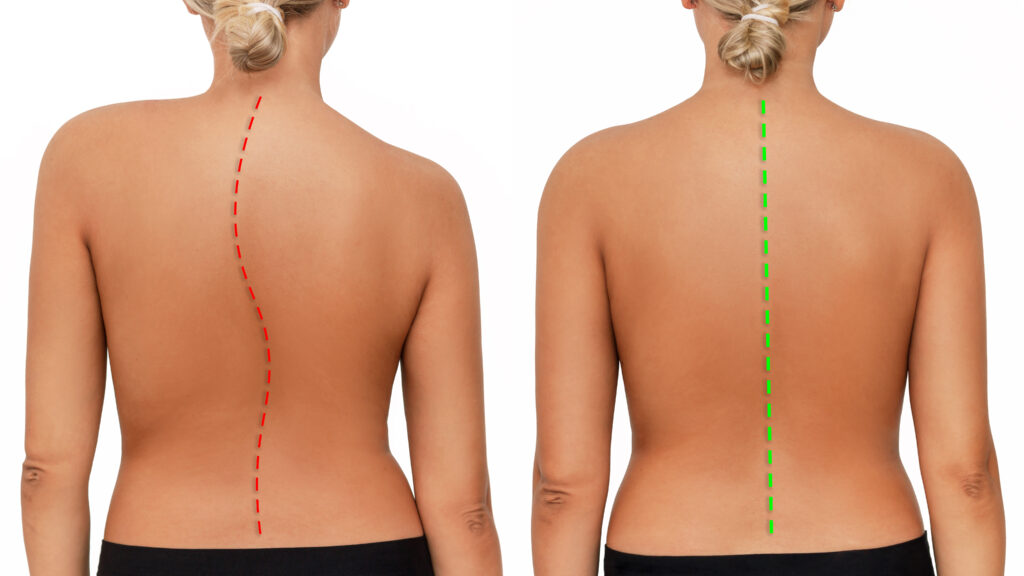
As a local chiropractor, I want to reassure you that if you're experiencing prenatal back pain, you are certainly not alone. Fortunately, there are many natural ways to find relief that I would love to share with you.
First, let's talk about posture. Being mindful of your posture can have a significant impact on your back pain. Simple adjustments can help alleviate strain on your back. Additionally, engaging in gentle exercises tailored for expectant mothers can strengthen your back and core muscles, providing much-needed support.
Incorporating targeted stretches into your daily routine can also help relieve discomfort. These stretches are designed to ease tension in the areas most affected by pregnancy. Furthermore, using heat and cold therapy can make a world of difference; applying heat can relax tight muscles, while cold therapy can reduce inflammation.
It's essential to understand the underlying causes of your back pain, as this knowledge will empower you to effectively address it. If you're curious about how supportive gear, like maternity belts, and relaxation practices, such as deep breathing and prenatal yoga, can enhance your comfort during pregnancy, I'm here to guide you through these options. Together, we can find the best strategies to help you feel your best throughout this beautiful journey.
Understand the Causes
As a local chiropractor, I want to help you understand the causes of prenatal back pain so you can manage it more effectively. During pregnancy, your body goes through significant changes that can contribute to discomfort in your back. One of the primary factors is the added weight of your growing baby. As your belly expands, your center of gravity shifts, which can put extra strain on your back muscles.
Hormonal changes also play a crucial role in this process. Your body produces relaxin, a hormone that prepares your pelvis for childbirth. While this hormone is essential for a successful delivery, it can also cause ligaments in your back to loosen, leading to instability and pain.
Moreover, as your body adjusts to its new shape, you may unintentionally adopt poor movement patterns, which can further exacerbate your back pain. Muscle fatigue is another common issue. As your body adapts to the extra weight and shifting center of gravity, the muscles in your back may become overworked. This fatigue can lead to tension and discomfort.
Additionally, stress—both emotional and physical—can contribute significantly to back pain during pregnancy. Stress often results in muscle tightness, which can worsen any existing pain you may be experiencing.
Lastly, if you'd pre-existing back conditions before becoming pregnant, the changes your body goes through can intensify those issues. By understanding these causes, you can take proactive steps to alleviate your discomfort.
At our chiropractic clinic, we emphasize natural healing techniques and spinal adjustments that can help improve your posture, relieve tension, and promote a more comfortable pregnancy experience. Remember, your well-being is our priority, and we're here to support you every step of the way.
Maintain Proper Posture
As a local chiropractor, I want to emphasize the importance of maintaining proper posture, especially during pregnancy. It plays a vital role in alleviating prenatal back pain and ensuring your comfort as your body undergoes significant changes. As your belly expands, it may be tempting to slump or lean back to relieve pressure; however, this can actually worsen your back pain.
Instead, I encourage you to focus on standing and sitting tall. Keeping your shoulders back and down while aligning your ears with your shoulders can significantly reduce strain on your back and enhance circulation—an essential factor for your well-being during pregnancy.
When it comes to sitting, opt for a chair that supports your lower back. If you find it lacks adequate support, consider using a cushion or a rolled towel for extra comfort. Make sure your feet are flat on the floor and avoid crossing your legs; this will help maintain a healthy posture.
If you're working at a desk, position your monitor at eye level and choose a chair that allows you to sit comfortably while maintaining good posture.
For standing, aim to distribute your weight evenly between both feet. It can be helpful to occasionally shift your weight from one foot to the other. If you're on your feet for long periods, think about using a footrest to alternate your foot positioning, which can relieve pressure on your lower back.
When lifting objects, always bend at the knees instead of the waist. Keep the item close to your body and use your legs to lift.
By practicing these postural techniques, you not only alleviate back pain but also promote better overall alignment. This approach will help you feel more comfortable and supported throughout your pregnancy journey.
Stay Active With Exercise
As a local chiropractor, I want to emphasize the importance of staying active, especially for expectant mothers dealing with prenatal back pain. Engaging in low-impact activities can significantly alleviate discomfort and enhance overall well-being during pregnancy.
By incorporating specific stretching and strengthening exercises into your routine, you can provide valuable support to your back and increase flexibility.
Let's delve into some practical and safe ways to keep you moving comfortably throughout your pregnancy.
Remember, natural healing through gentle movement and proper body mechanics can play a crucial role in your journey to a healthier, more comfortable experience.
If you have questions or need personalized guidance, feel free to reach out. Your health and comfort are our top priorities!
Low-impact Activities
As a local chiropractor, I want to share how engaging in low-impact activities can significantly help manage prenatal back pain.
These exercises are designed to keep you active while minimizing strain on your body, which is crucial during pregnancy. Activities such as walking, swimming, and stationary cycling aren't only safe, but they also offer numerous benefits for your physical and mental well-being.
Walking is arguably one of the simplest yet most effective forms of exercise. It allows you to set your own pace, making it easy to integrate into your daily routine.
Plus, it's an excellent way to maintain circulation, which is essential for both you and your baby.
Swimming is another wonderful option; the buoyancy of water supports your body, alleviating pressure on your back and joints.
This weightlessness can provide a sense of relief and freedom to move without discomfort, making it an ideal exercise for expectant mothers.
Stationary cycling is also beneficial, as it enables you to elevate your heart rate within a controlled and comfortable environment.
By adjusting the bike to suit your needs, you can find a position that feels good while you enjoy the rhythm of pedaling.
Additionally, I highly recommend considering prenatal yoga classes.
These classes often incorporate low-impact movements specifically designed for expectant mothers, promoting flexibility and relaxation while also supporting your body as it changes.
Incorporating these low-impact activities into your routine can help alleviate discomfort and enhance your overall fitness during pregnancy.
If you have any questions about how chiropractic care can further support your journey, please feel free to reach out.
Your health and comfort are my priority.
Stretching and Strengthening
As a local chiropractor, I want to share some valuable insights on how you can manage prenatal back pain naturally. Incorporating stretching and strengthening exercises into your routine can be incredibly beneficial. These exercises not only enhance your flexibility but also provide essential support for your growing belly, helping to reduce strain on your back.
Start with gentle stretches, such as the cat-cow or pelvic tilts, which can alleviate tension in your lower back. The child's pose is another excellent option to stretch your spine and hips. I recommend holding each position for 20-30 seconds while focusing on deep, calming breaths to promote relaxation.
Strengthening your core muscles is just as crucial during this time. Incorporate exercises like modified planks or side-lying leg lifts into your routine. These movements help stabilize your pelvis and lower back, which is vital as your body changes.
Additionally, remember to engage your core during your daily activities; this simple adjustment can significantly impact how your back feels.
As you engage in these stretching and strengthening exercises, it's essential to listen to your body. If you experience any discomfort or pain, please stop immediately. Always consult with your healthcare provider before starting any new exercise routine, especially during pregnancy.
Use Heat and Cold Therapy
As a local chiropractor, I want to share some valuable insights about managing prenatal back pain through natural methods like heat and cold therapy.
Many expectant mothers may not be aware of how effective these techniques can be. Heat therapy is excellent for relaxing tight muscles, which can often contribute to discomfort during pregnancy.
On the other hand, cold therapy is beneficial for reducing inflammation and numbing pain, providing a soothing effect.
What I often recommend is a combination of both therapies. By alternating heat and cold applications, you can maximize relief and promote healing.
Understanding how to properly use these methods can make a significant difference in your comfort levels.
If you have any questions or would like personalized advice, feel free to reach out during your visit!
Benefits of Heat Therapy
As a local chiropractor, I want to share with you the benefits of heat therapy, especially for managing prenatal back pain. Many expectant mothers are unfamiliar with how natural healing techniques can provide relief, and heat therapy is a great place to start. By applying heat to your back, you can experience soothing relief and promote overall relaxation.
Here are some key benefits I encourage you to consider:
- Enhanced Blood Flow: When you apply heat to your back, it increases blood circulation to the affected area. This improved circulation brings essential nutrients and oxygen that are crucial for healing and helps reduce stiffness in your muscles and joints.
- Muscle Relaxation: Heat therapy is excellent for relaxing tense muscles. During pregnancy, your body undergoes many changes, which can lead to muscle strain and discomfort. By using heat, you can alleviate pain and tension, making it easier to move comfortably throughout your day.
- Stress Reduction: The warmth from heat therapy can create a sense of comfort and relaxation. This not only helps lower stress levels but also contributes to an overall sense of well-being during your pregnancy. A calm mind is essential for both you and your baby.
When considering heat therapy, you have several options, such as a warm towel, a heating pad, or a hot water bottle. Just remember to keep the temperature at a comfortable level to avoid burns.
It's always a good idea to consult with your healthcare provider before starting any new treatment to ensure it's safe for your specific situation. Embracing heat therapy can be a valuable tool in your journey toward alleviating prenatal back pain naturally.
As your chiropractor, I'm here to guide you through these natural healing options and support you every step of the way.
Cold Therapy Techniques
As a local chiropractor, I want to share some insights into managing prenatal back pain through natural methods, specifically cold therapy.
While heat therapy can offer great relief, cold therapy is an equally effective option that you should consider during your pregnancy. This technique works by reducing inflammation and numbing sharp pain, making it a valuable tool for those uncomfortable moments that many expectant mothers experience.
Using cold therapy is simple and can be done at home. You can use ice packs or even a bag of frozen vegetables wrapped in a towel to protect your skin from direct contact.
To get started, find a comfortable position, whether sitting or lying down. Apply the cold pack to the area where you're feeling pain for about 15 to 20 minutes. It's important to take breaks between applications to prevent any skin irritation. You can repeat this process multiple times throughout the day, especially when discomfort arises.
I also recommend combining cold therapy with gentle stretching exercises. This combination can enhance the benefits of cold therapy and provide more relief.
As you practice these techniques, pay attention to how your body responds. If you notice that your pain persists or worsens, it's crucial to consult with your healthcare provider. Remember, being in tune with your body during this journey is essential.
Cold therapy is a straightforward yet effective way to alleviate prenatal back pain. By incorporating this technique into your care routine, you can navigate your pregnancy with more comfort and ease, allowing you to focus on the joy of this special time.
As a chiropractor, I'm here to support you in discovering natural healing methods that work best for you.
Combining Both Methods
As a local chiropractor dedicated to helping expectant mothers find relief from prenatal back pain, I want to share an effective method that combines the benefits of both heat and cold therapy.
This approach can greatly enhance your comfort during pregnancy and support your body's natural healing process. Here's how to implement this technique safely and effectively:
1. Begin with Cold Therapy: Start your relief routine by applying a cold pack to the painful area for about 15-20 minutes. Cold therapy is excellent for reducing inflammation and numbing discomfort.
Remember to wrap the cold pack in a towel to protect your skin from direct contact.
2. Transition to Heat Therapy: After your cold treatment, it's time to switch gears and apply heat. Use a heating pad or a warm towel on the same area for another 15-20 minutes.
Heat therapy helps to increase blood flow and relax tight muscles, allowing for further alleviation of pain.
3. Consider Alternating Both Therapies: For those looking to maximize relief, you can alternate between heat and cold therapy.
This method can effectively soothe any lingering aches. Just be sure to allow your skin to return to a normal temperature before switching methods to avoid any irritation.
By incorporating these natural therapies into your routine, you can experience significant relief from back pain during your pregnancy.
If you have any questions or need personalized guidance, feel free to reach out to my office. Your comfort and health are my top priorities!
Explore Prenatal Massage
Prenatal massage is an effective and soothing option for expectant mothers experiencing back pain. As a local chiropractor, I want to emphasize the importance of addressing the unique needs of your changing body during pregnancy. This specialized massage technique targets areas that are often affected, such as the lower back, hips, and shoulders, helping to alleviate discomfort and promote relaxation.
During a prenatal massage, you'll typically lie in a comfortable position, often on your side, supported by cushions to ensure your safety and comfort. A skilled massage therapist will use gentle techniques tailored to your individual needs, which may include kneading, stretching, and applying pressure to specific points. This approach not only helps relieve back pain but also enhances blood circulation, which is vital for both your well-being and that of your baby.
Many women find that prenatal massage can significantly reduce stress and anxiety, contributing to an overall sense of well-being. After a session, it's common to experience improved sleep and a more positive mood. Additionally, regular massages can help prepare your body for labor by promoting flexibility and easing muscle tension.
If you're considering a prenatal massage, it's crucial to choose a therapist who specializes in this area. They'll understand the necessary precautions to ensure your safety and comfort.
I encourage you to communicate any specific pain or discomfort areas so they can tailor the massage to your needs effectively. Integrating prenatal massage into your self-care routine is a proactive step toward managing back pain naturally and enhancing your overall experience during this beautiful journey of motherhood.
Incorporate Stretching Techniques
As a local chiropractor, I want to emphasize the importance of incorporating stretching techniques into your daily routine, especially for those experiencing prenatal back pain. Stretching not only enhances flexibility but also strengthens the muscles that support your spine, which can lead to significant relief and a greater sense of well-being during this special time.
By taking just a few minutes each day to practice targeted stretches, you can make a positive difference in how you feel. Here are three effective stretching techniques that I recommend:
- Cat-Cow Stretch: Begin on all fours, ensuring your wrists are aligned under your shoulders and your knees are positioned under your hips. Inhale deeply as you arch your back, letting your belly drop while lifting your head and tailbone (this is the Cow position). Then, exhale as you round your back, tucking your chin to your chest and your tailbone under (this is the Cat position). Repeat this sequence for 5-10 cycles, and you'll notice a soothing release in your back.
- Child's Pose: Kneel on the floor with your big toes touching and your heels resting under you. Gently lower your torso forward, extending your arms in front of you or resting them alongside your body. Focus on taking deep breaths and hold this pose for 30 seconds to a minute. This stretch allows your back to release tension and promotes relaxation.
- Standing Forward Bend: Stand tall with your feet hip-width apart. As you exhale, hinge at your hips and fold forward, allowing your head and arms to hang. If needed, bend your knees slightly to alleviate any strain on your back. Hold this position for 15-30 seconds, concentrating on your breath and letting go of any tightness.
Incorporating these stretching techniques into your routine can be a natural and effective way to manage prenatal discomfort.
As always, if you have any concerns or specific conditions, feel free to reach out to me for personalized advice and support in your journey toward better health.
Consider Acupuncture
If stretching alone isn't providing the relief you need, I encourage you to consider chiropractic care as an effective option for alleviating back pain during pregnancy.
As a chiropractor, I specialize in natural healing methods that focus on aligning your spine and enhancing your overall wellness. Many pregnant women have found chiropractic adjustments to be beneficial for managing back pain, and it could be a safe alternative for you.
During your visit, I'll assess your symptoms and create a personalized treatment plan tailored to your needs. Chiropractic adjustments work by realigning your spine and reducing tension in your muscles, which can alleviate pain and improve your body's function.
As your body undergoes significant changes during pregnancy, chiropractic care can help you adapt to these transformations while easing discomfort in your back.
Before starting treatment, it's important to consult your healthcare provider to ensure chiropractic care is suitable for your specific situation.
When seeking a chiropractor, look for someone experienced in treating pregnant women, as they'll have the knowledge to use safe and effective techniques during your sessions.
Many women report feeling relaxed and rejuvenated after each adjustment, and with regular visits, you may experience a significant reduction in your back pain.
Additionally, chiropractic care can assist with other pregnancy-related issues such as anxiety, nausea, or insomnia. This holistic approach can complement your self-care strategies and support your overall health during this special time in your life.
Utilize Supportive Gear
As a local chiropractor, I often see many women who experience back pain during pregnancy. It's essential to know that utilizing supportive gear can significantly alleviate discomfort and promote a healthier pregnancy. The right gear not only enhances comfort but also supports proper posture, which is crucial for minimizing strain on your back.
Here are three types of supportive gear I recommend:
- Maternity Support Belts: These belts are designed to provide gentle compression and lift to your belly, which can relieve pressure on your lower back. They're adjustable, allowing you to find the perfect fit as your body changes throughout your pregnancy. This support can be especially beneficial for maintaining spinal alignment.
- Supportive Shoes: The footwear you choose can greatly impact your overall body alignment. I advise opting for shoes that offer excellent arch support and cushioning. High heels should be avoided, as they can exacerbate back pain by altering your natural posture and weight distribution. Proper footwear can make a significant difference in how your body feels.
- Pregnancy Pillows: Investing in a quality pregnancy pillow can enhance your sleep quality, which is vital during pregnancy. These pillows provide support for your back, belly, and hips, helping you maintain a comfortable sleeping position. A well-supported body while you rest can reduce tension and pain during the day, making your daily activities more manageable.
By incorporating these supportive tools into your routine, you can help manage back pain and promote a healthier pregnancy experience.
Practice Relaxation Techniques
As a local chiropractor, I want to share some valuable insights on how you can alleviate prenatal back pain through natural relaxation techniques. Many expectant mothers experience discomfort, and understanding how to manage stress and tension is key to finding relief.
One of the simplest yet most effective methods is deep breathing exercises. I encourage you to take a moment each day to practice this. Inhale deeply through your nose, allowing your abdomen to expand fully, and then exhale slowly through your mouth. Engaging in this practice for just a few minutes can help calm your mind and relieve tension in your back, creating a sense of peace and relaxation.
Another technique I recommend is progressive muscle relaxation. Find a quiet space where you can comfortably sit or lie down. Focus on one muscle group at a time, tensing it for a few seconds, then releasing it completely. Begin with your feet and work your way up to your head. This practice not only promotes relaxation but also enhances your awareness of where you might be holding tension, which is essential for managing discomfort.
Mindfulness meditation is another powerful tool to support your relaxation efforts. Set aside a few minutes each day to sit comfortably, close your eyes, and focus solely on your breath. If your mind starts to wander, gently redirect your attention back to your breathing. This practice can significantly help in managing stress, contributing to a calmer state of mind which can ease back pain.
Additionally, I recommend exploring gentle yoga or prenatal classes that emphasize relaxation techniques tailored for expectant mothers. These classes often incorporate specific poses designed to stretch and release tension in your body, promoting a sense of relaxation and well-being.
By integrating these relaxation techniques into your daily routine, you may notice a significant reduction in your prenatal back pain. As a chiropractor, my goal is to support your journey to wellness through natural healing methods.
Conclusion
As a local chiropractor, I want to share some natural strategies that can significantly alleviate your prenatal back pain. It's essential to understand that maintaining good posture, staying active, and utilizing supportive gear can make your pregnancy journey far more comfortable.
Heat therapy and gentle stretching are also beneficial; they help relieve tension in your muscles and promote relaxation. Additionally, incorporating relaxation techniques into your routine can further ease discomfort. Remember, every small effort you make to care for yourself contributes to your well-being during this special time. You deserve to feel your best, and taking these steps can help you achieve that. If you have any questions or need personalized guidance, feel free to reach out. Your comfort is our priority!