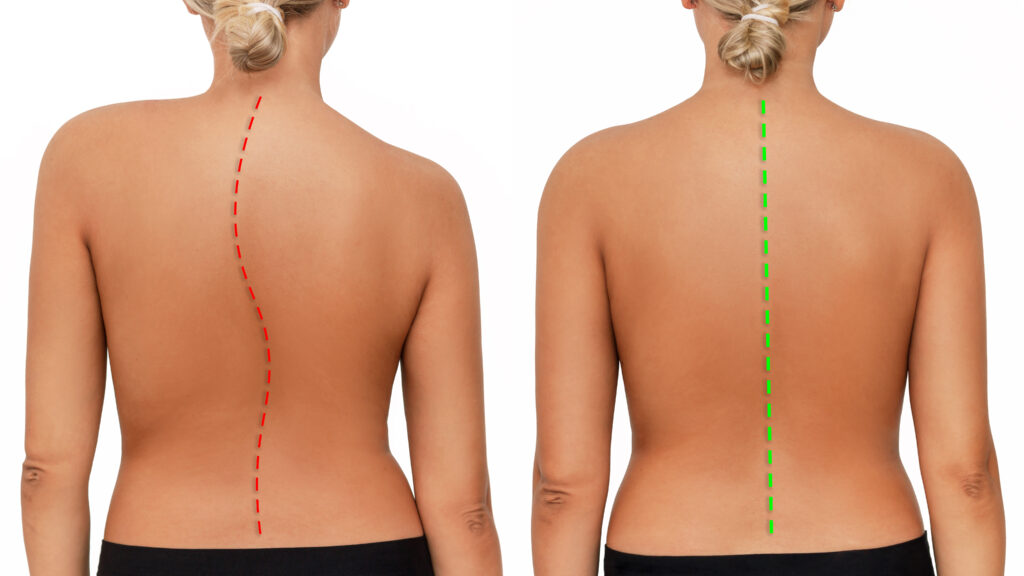
If you're struggling with neck pain, you might be searching for effective solutions that don't involve surgery. Many people find relief through a variety of methods, from physical therapy techniques to lifestyle adjustments. You could benefit from understanding how simple changes in your daily routine or alternative therapies can greatly ease your discomfort. There's more than one way to tackle this issue, and the right approach could make all the difference. But what specific strategies should you consider first?
Understanding Neck Pain Causes
Understanding what causes neck pain is essential for finding effective relief. Neck pain can stem from a variety of factors, and identifying the source is your first step toward recovery.
Poor posture, for instance, is a common culprit. If you spend long hours hunched over a computer or scrolling on your phone, your neck bears the weight of that stress, leading to discomfort.
In addition, muscle strain can contribute greatly to neck pain. Whether you've lifted something heavy, slept in an awkward position, or over-exerted yourself in physical activities, these strains can leave you feeling stiff and sore.
You might also experience tension in your neck due to stress or anxiety, which often manifests as tightness in the muscles.
Injuries, like whiplash from a car accident, can also lead to long-term neck pain. Chronic conditions, such as arthritis or degenerative disc disease, may be at play as well, especially as you age.
Don't overlook the impact of lifestyle factors. Lack of exercise can weaken your neck muscles, making them more susceptible to injury.
Additionally, improper ergonomics at work or during your daily activities can exacerbate pain.
Physical Therapy Techniques
Physical therapy techniques offer a practical approach to alleviate neck pain and improve mobility. When you engage in physical therapy, a skilled therapist will assess your specific condition and design a personalized treatment plan tailored to your needs.
One common technique involves manual therapy, where the therapist uses hands-on methods to manipulate soft tissues and joints. This can help reduce stiffness and improve blood circulation in the neck area.
Another effective method is therapeutic exercises. These exercises focus on strengthening the muscles surrounding your neck and shoulders. By building strength, you can enhance stability and reduce the likelihood of future pain. Your therapist will guide you through specific movements that target weak areas while ensuring you're performing them safely.
Posture training is also an essential component of physical therapy. Many neck pain issues stem from poor posture, especially if you spend long hours at a desk or looking at screens. Your therapist will help you identify your posture habits and suggest adjustments to promote better alignment throughout your daily activities.
Additionally, modalities like heat and cold therapy can be incorporated into your sessions. Applying heat can relax tight muscles, while cold therapy may help reduce inflammation and numb pain.
Ultimately, committing to physical therapy not only addresses your current neck pain but also equips you with the tools to maintain a healthy neck in the long run. Regular follow-ups and practice of the techniques you learn will make a significant difference in your recovery journey.
Mindful Exercises and Stretches
To ease neck pain, incorporating gentle neck stretches into your routine can make a big difference.
Pairing these stretches with mindfulness meditation techniques helps you stay present and aware of your body.
This combination not only alleviates discomfort but also promotes overall relaxation and well-being.
Gentle Neck Stretches
Gentle neck stretches can be a simple yet powerful way to ease tension and promote relaxation in your neck muscles. Incorporating these stretches into your daily routine can help alleviate discomfort and improve flexibility.
Start with a basic neck tilt: gently drop your right ear toward your right shoulder and hold for 15-30 seconds. You should feel a nice stretch along the left side of your neck. Switch sides and repeat.
Next, try the chin tuck. Sit or stand tall, then gently tuck your chin toward your chest, creating a double chin effect. Hold for a few breaths and release. This stretch helps strengthen the muscles that support your neck.
Another effective stretch is the neck rotation. Slowly turn your head to the right, aiming to align your chin with your shoulder. Hold for 15-30 seconds, then return to the center and repeat on the left side.
Remember to breathe deeply during each stretch, allowing your body to relax. Practicing these gentle neck stretches regularly can considerably reduce tension and improve your overall neck health.
Don't rush; listen to your body and enjoy the relief these movements can bring.
Mindfulness Meditation Techniques
Incorporating mindfulness meditation techniques can complement your gentle neck stretches by fostering a deeper connection between your mind and body. By practicing mindfulness, you'll become more aware of tension in your neck and shoulders, helping you to release it effectively.
Start with a few minutes of focused breathing. Sit comfortably, close your eyes, and take deep breaths, focusing on the rise and fall of your chest.
Next, bring your attention to your neck. As you inhale, visualize warmth and relaxation flowing into the area. As you exhale, imagine tension leaving your body. You can also combine mindfulness with gentle neck stretches. While stretching, stay present in the moment—notice how your muscles feel as they elongate.
Try incorporating a body scan meditation. Lie down comfortably and mentally note each part of your body, paying special attention to your neck. This practice helps you identify and release tension, making your neck stretches even more effective.
Regularly practicing these techniques can enhance your overall awareness and promote relaxation, ultimately contributing to a more comfortable neck. With time, you'll find that mindfulness not only helps alleviate pain but also enriches your daily life.
Alternative Therapies
When seeking relief from neck pain, many people turn to alternative therapies as effective options. These approaches can offer you gentle, non-invasive ways to alleviate discomfort and improve mobility.
One popular choice is acupuncture, which involves inserting thin needles into specific points on the body. This ancient practice may help release endorphins, reducing pain and promoting relaxation.
Chiropractic care is another effective alternative therapy. By focusing on spinal alignment and joint function, a chiropractor can help relieve pressure on nerves and improve your neck's range of motion. Regular adjustments may lead to long-term relief and prevent future issues.
Massage therapy is also a great option. It can reduce muscle tension and improve blood flow, which helps in healing. Whether you prefer deep tissue or gentle Swedish techniques, a skilled massage therapist can target the specific areas causing discomfort in your neck.
Another alternative worth considering is the use of herbal remedies. Certain herbs, like turmeric and ginger, possess anti-inflammatory properties that may help reduce pain when consumed or applied topically.
You might also explore essential oils, like lavender or peppermint, for their soothing effects when used in aromatherapy or massage.
Lastly, yoga combines gentle movement with deep breathing, which can enhance flexibility and strength in your neck and shoulder area. By incorporating these alternative therapies into your routine, you can find relief from neck pain without resorting to surgery.
Lifestyle Modifications
Making simple lifestyle modifications can greatly impact your neck pain relief. Start by evaluating your posture throughout the day. When sitting, make certain your back is straight, shoulders relaxed, and your computer screen is at eye level. This minimizes strain on your neck and helps you maintain a comfortable position.
Incorporating regular breaks into your routine is vital. If you work at a desk or spend prolonged periods staring at a screen, take a few minutes every hour to stretch your neck and shoulders. Gentle neck stretches can relieve tension and improve flexibility.
You might also want to explore ergonomic furniture, such as chairs that support your lower back and neck.
Your sleeping habits play an essential role in neck pain as well. Choose a supportive pillow that keeps your neck aligned with your spine. Avoid sleeping on your stomach, as this can twist your neck and cause discomfort. Instead, try sleeping on your back or side with appropriate pillow support.
Staying active is another key factor. Engage in regular exercise that strengthens your neck and upper back muscles. Activities like yoga and swimming can enhance flexibility and reduce stiffness.
Finally, pay attention to your hydration and nutrition. Staying well-hydrated helps maintain muscle function, while a balanced diet supports overall health.
When to Seek Professional Help
If your neck pain persists for more than a few weeks, it's time to contemplate professional help.
Experiencing numbness, weakness, or a limited range of motion can signal a more serious issue that needs attention.
Don't hesitate to reach out to a healthcare provider if you notice these symptoms.
Persistent Pain Duration
Persistent neck pain lasting more than a few days often signals the need for professional evaluation. You might think that the pain will go away on its own, but ignoring it could lead to more significant issues.
If you're struggling with discomfort that just won't budge, it's time to contemplate seeking help. Pay attention to the intensity of your pain. If it's severe or worsening, don't hesitate to reach out to a healthcare provider.
Additionally, if your neck pain interferes with daily activities, such as work or sleep, it's a clear sign that you shouldn't wait any longer. You deserve to feel comfortable and functional.
Timing is essential. If you've tried self-care methods, like rest, stretching, or over-the-counter pain relief, and nothing seems to work after a week or so, consult a professional.
They'll assess your condition and provide tailored advice or treatment options. Early intervention can prevent complications and help you return to your normal life faster.
Numbness or Weakness
Experiencing numbness or weakness in your arms or hands can be alarming and often indicates an underlying issue that needs attention. These sensations might signal nerve compression or damage, frequently stemming from neck problems like herniated discs or cervical spondylosis.
If you notice these symptoms, it's essential not to ignore them. Seek professional help if you experience persistent numbness or weakness that doesn't improve within a few days. You should also consult a healthcare provider if these sensations are accompanied by pain that radiates down your arm, or if you have difficulty gripping objects.
Additionally, sudden onset of numbness or weakness, particularly if it affects one side of your body, could signify a more serious condition, such as a stroke, and requires immediate medical attention.
Prompt evaluation can lead to effective treatments that address the root cause of your symptoms. Don't hesitate to reach out to a healthcare professional who can provide a thorough assessment and guide you through the appropriate steps to relieve your discomfort.
Limited Range of Motion
Limited range of motion in your neck can greatly affect daily activities and quality of life. You might find it difficult to turn your head while driving, look up or down, or even perform simple tasks like brushing your hair.
If you're experiencing stiffness or pain that limits movement, it's vital to pay attention to your body's signals. You should consider seeking professional help if your neck stiffness lasts more than a week, if it's accompanied by severe pain, or if it restricts your ability to perform daily tasks.
Additionally, if you notice any swelling, tenderness, or if the pain radiates into your arms or shoulders, don't hesitate to reach out to a healthcare provider. They can help determine the underlying cause and recommend appropriate treatment options.
Early intervention can prevent potential complications and improve your overall quality of life. Remember, it's always better to err on the side of caution. Your neck health is important, and addressing issues promptly can lead to more effective relief and a quicker return to your normal activities.
Don't wait until the pain worsens—take action and consult a professional.
Conclusion
To summarize, managing neck pain without surgery is absolutely possible through a combination of physical therapy, mindful exercises, and alternative therapies. By making simple lifestyle adjustments and incorporating regular breaks, you can greatly reduce strain on your neck. Remember, listening to your body is key—if your pain persists, don't hesitate to seek professional help. With the right approach, you can find relief and maintain a healthier neck for the long term.