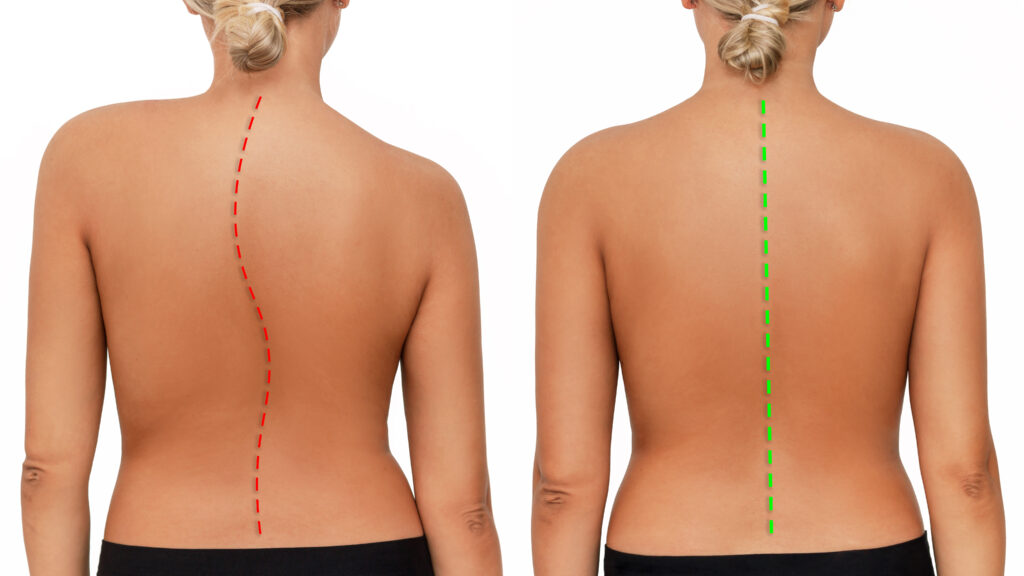
As a local chiropractor, I often see athletes who experience nagging back pain after a game or workout, and I want you to know that you're not alone in this struggle. Many athletes face similar issues, which can often arise from improper techniques or insufficient warm-ups. It's crucial to understand the underlying causes of your discomfort, as this knowledge can lead to effective relief.
Chiropractic care focuses on natural healing and can be a valuable ally in managing sports-related back pain. By adjusting your warm-up routine and incorporating targeted exercises, you can significantly reduce your pain and improve your performance. There are various strategies we can explore together to find the best approach tailored to your unique situation.
If you're curious about how chiropractic care can help alleviate your back pain and enhance your athletic experience, I invite you to reach out. Together, we can work towards a pain-free and more enjoyable way to engage in your sport.
Understanding Back Pain Causes
As a local chiropractor, I want to help you understand that back pain can arise from a multitude of sources, particularly for those involved in sports. Many athletes experience discomfort due to factors like strains, sprains, or injuries from overuse. When you push your body beyond its limits, it can lead to strain on the muscles and ligaments in your back.
Additionally, poor posture during various activities—whether lifting weights or maintaining a specific stance—can significantly contribute to your pain.
It's vital to consider the importance of proper technique as well. Using incorrect form during physical activities can place unnecessary stress on your back, which can occur in numerous sports, from running to gymnastics.
Furthermore, the equipment you use, such as poorly fitting shoes or heavy gear, can worsen existing back problems.
Sometimes, underlying conditions such as herniated discs or arthritis may be contributing to your discomfort without you even realizing it. These issues can remain hidden until they manifest as pain.
Stress is another factor that can't be overlooked; it often leads to muscle tension, which can create additional strain on your back.
Lastly, your overall conditioning is crucial. If your core or back muscles aren't adequately strengthened, you become more vulnerable to injuries.
By recognizing these various causes of back pain, you can take proactive steps to address your discomfort effectively. Understanding what leads to your pain is the first step towards prevention and healing.
Together, we can work on strategies to keep you healthy and performing at your best.
Importance of Proper Warm-Up
As a local chiropractor, I want to emphasize the vital role that a proper warm-up plays in not only preventing sports-related back pain but also enhancing your overall athletic performance. Many individuals jump into physical activities without adequately preparing their bodies, which can significantly increase the risk of injury, particularly to the back. A well-structured warm-up routine promotes blood flow to your muscles, enhances flexibility, and gets your body ready for the intensity of the sport you plan to engage in.
I recommend starting your warm-up with light aerobic exercises, such as a gentle jog or brisk walk, for about five to ten minutes. This initial step elevates your heart rate and makes your muscles more pliable. Following that, incorporate dynamic stretches that specifically target your back, hips, and legs. Movements like arm circles, trunk twists, and leg swings can effectively loosen up tight muscles and enhance your range of motion.
It's also crucial to include sport-specific movements in your warm-up. For example, if you're gearing up for a basketball game, practice dribbling drills or shooting. These not only prepare your physical body but also help focus your mind on the upcoming game.
As you warm up, pay close attention to how your body feels. If you experience any tightness or discomfort, take the time to address those areas with additional stretching or lighter movements.
Remember, skipping your warm-up may seem like a time-saver, but it can lead to injuries that could keep you sidelined for much longer. By prioritizing a proper warm-up routine, you can significantly improve your athletic performance and maintain a healthy back, allowing you to enjoy your favorite sports without pain.
As your chiropractor, I'm here to help you understand the importance of these practices for your overall well-being and athletic success.
Strengthening Core Muscles
As a local chiropractor, I want to share the importance of strengthening your core muscles for optimal athletic performance and to help prevent sports-related back pain. Many people think of the core as just the muscles that make up a six-pack, but it actually encompasses all the muscles in your abdomen, lower back, hips, and pelvis.
A robust core plays a crucial role in stabilizing your body, supporting your spine, and enhancing your movement efficiency during physical activities. Incorporating core-strengthening exercises into your routine can yield significant benefits.
I recommend starting with foundational exercises such as planks, bridges, and bicycle crunches. These movements engage multiple muscle groups and build endurance, which is vital for overall fitness. As you become more comfortable, you can introduce variations or extend the duration of your workouts to further challenge yourself.
It's also essential to focus on balance and stability training. Exercises like side planks and workouts using a stability ball not only fortify your core but also enhance your overall coordination. This improvement can lead to better performance in your favorite sports, whether that's running, swimming, or basketball.
Consistency is vital, so I encourage you to include core workouts at least two to three times per week. Always prioritize proper form over speed; maintaining the right technique will help you achieve better results and reduce the risk of injury.
Ultimately, a strong core supports your entire body, enabling you to perform at your peak while minimizing the chances of back pain. By focusing on strengthening your core, you'll not only enhance your athletic abilities but also safeguard yourself against common sports-related injuries.
If you have any questions or need personalized recommendations, feel free to reach out during your next visit.
Stretching Techniques for Relief
As a local chiropractor, I want to emphasize that strengthening your core is just one aspect of a comprehensive approach to preventing sports-related back pain. Equally important are stretching techniques, which play a crucial role in maintaining flexibility and preventing muscle tightness that can lead to discomfort.
By incorporating a regular stretching routine into your training, you can significantly enhance your overall performance and decrease your risk of injury.
Let's start with a foundational stretch: the hamstring stretch. Stand tall, bend at your waist, and reach for your toes. Hold this position for about 20-30 seconds. This stretch helps alleviate tension in your lower back and improves your range of motion.
Following that, consider the cat-cow stretch. While on your hands and knees, alternate between arching your back (like a cat) and lowering your belly towards the ground (like a cow). This dynamic movement promotes spinal flexibility and alleviates stiffness.
Another effective stretch is the spinal twist. Sit with your legs extended in front of you, bend one knee, and place that foot outside the opposite thigh. Gently twist your torso toward the bent knee, using your arm for support. This stretch targets your lower back and glutes, enhancing mobility.
Lastly, don't overlook the child's pose. Kneel on the floor, sit back on your heels, and stretch your arms forward on the ground. This gentle stretch helps to relax your back and shoulders.
By consistently practicing these stretches, you can maintain a healthy back and improve your athletic performance.
Correcting Posture and Form
As a local chiropractor, I want to emphasize the importance of proper alignment in preventing sports-related back pain.
It all begins with your posture. Many people are unaware that even minor adjustments in your form can lead to significant improvements in both your performance and comfort levels.
Allow me to share some valuable techniques that can help you maintain ideal posture and steer clear of common pitfalls.
Importance of Proper Alignment
As a local chiropractor, I often see athletes who underestimate the importance of proper alignment in preventing sports-related back pain. Maintaining the right posture isn't just about aesthetics; it plays a crucial role in your overall performance and injury prevention. When your body is aligned correctly, it functions more efficiently, which helps reduce strain on your back and minimizes the risk of injuries.
Here are some key insights to consider:
- Reduced Strain: Proper alignment allows your body to distribute forces evenly, significantly lowering the load on your back. This can help prevent discomfort during your activities.
- Enhanced Performance: With correct alignment, your muscles can engage optimally, leading to improvements in strength and agility. You may find that you can perform better and recover faster.
- Long-Term Health: Maintaining spinal alignment is essential for preventing chronic issues. A well-aligned spine contributes to your overall well-being, allowing you to stay active and enjoy your favorite sports for years to come.
As you train or compete, it's important to tune into how your body feels. If you experience any discomfort or fatigue, it might be a sign to reassess your alignment.
By adopting better postural habits, you can make a significant impact on your athletic performance and longevity in your sport. Remember, investing time in correcting your alignment today can spare you from pain and setbacks in the future. Your back will truly thank you for it!
If you're curious about how chiropractic care can help you achieve and maintain proper alignment, feel free to reach out.
Techniques for Optimal Posture
As a local chiropractor, I want to highlight the importance of achieving and maintaining ideal posture, which is crucial in preventing sports-related back pain. It all starts with proper alignment—your ears, shoulders, and hips should form a straight line. When you're standing, make sure to distribute your weight evenly across both feet and avoid locking your knees. Engaging your core muscles is vital, as they provide the stability your spine needs.
When you're sitting, aim to keep your feet flat on the ground and your knees bent at a 90-degree angle. It's beneficial to use a chair that offers support for your lower back. If you work at a desk, adjusting your monitor to eye level can help prevent the tendency to lean forward or look down, which can strain your neck and back.
During any sports activities, pay close attention to your body's positioning. For example, in sports like tennis or basketball, maintaining a straight back is crucial—avoid excessive bending at the waist. I encourage you to regularly check in with your posture during practice sessions to build awareness.
Incorporating stretching and strengthening exercises into your routine can significantly enhance your flexibility and core strength, both of which are essential for good posture. By being mindful of these techniques, you can greatly reduce your risk of back pain and improve your overall performance in your chosen sport.
Common Form Mistakes
As a local chiropractor, I want to emphasize the importance of proper form in preventing sports-related back pain. Many individuals may not realize that poor posture can lead to significant discomfort and injuries over time.
Here are some common mistakes to be aware of:
- Rounded Shoulders: When you're running or lifting, slouching your shoulders can place undue strain on your back. It's crucial to keep your shoulders pulled back and relaxed to maintain a healthy posture.
- Overextending Your Spine: Activities like squats and deadlifts require careful attention to your spinal alignment. Excessive bending of your back can create pressure on your spine, leading to pain. Focus on maintaining a neutral spine throughout your movements to protect your back.
- Improper Foot Placement: How you position your feet during exercises plays a vital role in your overall balance and spinal health. Misaligned feet can result in poor stability and additional strain on your back. Always ensure your feet are correctly positioned for the specific activity you're performing.
By being mindful of these common form mistakes, you can help prevent back pain and promote a healthier, more active lifestyle.
Using Ice and Heat Therapy
As a local chiropractor, I often encounter patients experiencing sports-related back pain, and I want to share how ice and heat therapy can significantly aid in your recovery.
These natural methods not only help alleviate pain but also reduce inflammation, allowing you to return to your favorite activities more quickly.
Let's start with ice therapy. Applying a cold pack to the affected area can numb the pain and minimize swelling. I recommend icing your back for about 15 to 20 minutes at a time, every couple of hours. To protect your skin, always wrap the ice pack in a cloth.
This technique is especially effective right after an injury or during flare-ups, as it constricts blood vessels and limits fluid accumulation in the tissues.
Once the initial inflammation has decreased, heat therapy can be your ally in recovery. Utilizing a heating pad or enjoying a warm bath can help relax tight muscles and enhance blood circulation.
I suggest applying heat for about 15 to 30 minutes, ensuring that the temperature is warm but not hot to avoid burns. Heat therapy is particularly beneficial for chronic pain or muscle stiffness.
You can also alternate between ice and heat based on your symptoms. If you're experiencing intense pain and swelling, ice is likely your best option. On the other hand, if muscle tightness is your primary concern, heat can provide more relief.
Understanding these therapies can empower you in your healing journey. If you have any questions about how to incorporate ice and heat therapy into your routine or about chiropractic care in general, feel free to reach out.
Your well-being is my priority!
Therapeutic Exercises for Recovery
As a local chiropractor, I want to emphasize the importance of incorporating therapeutic exercises into your recovery plan, especially when dealing with sports-related back pain.
These exercises aren't just about alleviating discomfort; they also play a vital role in strengthening your back and enhancing your flexibility, ultimately leading to improved performance in your favorite activities.
Here are a few key exercises I recommend for my patients:
- Pelvic Tilts: This exercise helps to strengthen your abdominal muscles while providing a gentle stretch to your lower back.
- Cat-Cow Stretch: This dynamic movement enhances the flexibility of your spine and helps relieve any built-up tension in your back.
- Bird-Dog: This exercise is excellent for improving core stability and promoting better balance and coordination.
Before you begin any exercise program, I strongly advise consulting with a healthcare professional like myself.
We can work together to create a personalized plan that addresses your specific needs, ensuring that you don't exacerbate your pain. It's important to start slowly, focusing on proper form to avoid injuries.
As your back becomes stronger and more resilient, you can gradually increase the intensity and duration of your workouts.
Consistency is key when it comes to these exercises. I encourage you to integrate them into your daily routine.
Even dedicating just 15-20 minutes a day can lead to substantial improvements over time. Always listen to your body; if any of the exercises cause increased pain, please stop and reassess.
By incorporating these therapeutic exercises into your routine, you not only aid your recovery but also take an active role in managing your back health.
Staying proactive can help you enjoy your favorite sports without the burden of back pain.
Alternative Treatments to Consider
As you embark on your journey to recovery, I want to introduce you to some alternative treatments that can complement your efforts in managing sports-related back pain. One of the most effective options is chiropractic care, which I specialize in. Chiropractors are trained to focus on spinal alignment, and through regular adjustments, we can relieve tension in your back, improve your range of motion, and alleviate discomfort. This can be instrumental in helping you return to your favorite sports activities with greater ease.
In addition to chiropractic care, acupuncture is another treatment worth exploring. This ancient practice involves inserting thin needles into specific points on your body to reduce pain and promote healing. By enhancing blood flow and stimulating the nervous system, acupuncture can be a valuable part of your recovery plan.
Massage therapy is also an excellent complement to chiropractic adjustments. A skilled massage therapist can target sore muscles and release built-up tension, enhancing your overall recovery process. Whether you prefer a deep tissue massage or a more relaxing technique, this hands-on approach can provide significant relief.
Furthermore, incorporating yoga and mindfulness practices into your routine can greatly aid your recovery. These methods not only improve flexibility and strength but also help manage stress, which is crucial when dealing with chronic pain. Breathing exercises and meditation can create a holistic approach to your healing journey.
Lastly, I encourage you to consider nutritional support, such as anti-inflammatory diets or supplements, to help reduce pain and promote recovery. It's essential to consult with a healthcare professional before trying new treatments to ensure they're suitable for your specific condition.
When to Seek Professional Help
As a local chiropractor, I want to emphasize the importance of recognizing when to seek professional help for sports-related back pain. Many people experience discomfort after engaging in physical activities, but certain symptoms should prompt you to reach out for assistance. Ignoring these signs can lead to more significant injuries or ongoing pain that could hinder your quality of life.
Here are some key indicators that it may be time to consult with a healthcare professional like myself:
- Persistent pain that doesn't improve with rest or over-the-counter medications is a sign that something may be amiss. Your body is communicating with you, and it's important to listen.
- Radiating pain that travels down your legs or into other areas can signify nerve involvement. This is something that should be assessed promptly to prevent further complications.
- Difficulty performing daily activities or participating in your favorite sports due to pain or stiffness indicates that your body may need some extra attention.
If you find yourself experiencing any of these symptoms, I encourage you to reach out to a chiropractor. We specialize in identifying the underlying causes of pain and can create a tailored treatment plan to promote your recovery.
Early intervention is key; addressing minor issues early on can often prevent them from escalating into more serious problems.
Additionally, if you've sustained a back injury during sports, I urge you to seek professional advice, particularly if the pain worsens or is accompanied by symptoms like numbness or weakness.
Our goal is to help you return to your sport as quickly as possible while ensuring your overall well-being is prioritized.
Preventive Measures for the Future
As a local Chiropractor, I want to share some important insights on how to maintain a healthy back and prevent future pain.
It's crucial to incorporate proper stretching techniques and focus on strengthening your core muscles. These practices can significantly enhance your overall spinal health.
Additionally, if you find yourself spending long hours training or working, I highly recommend considering ergonomic equipment. This can make a world of difference in supporting your posture and reducing strain on your back.
By making these simple adjustments in your daily routine, you can greatly lower your risk of developing sports-related back issues and promote a more natural healing process for your body.
Proper Stretching Techniques
As a local chiropractor, I want to emphasize the importance of incorporating effective stretching techniques into your daily routine to help prevent sports-related back pain.
Understanding how to improve your flexibility can't only enhance your athletic performance but also protect your back from potential injuries. Here are some essential stretching practices I recommend:
- Dynamic stretches: Before you engage in any physical activity, it's beneficial to perform dynamic stretches such as leg swings and arm circles. These movements help warm up your muscles and improve your overall range of motion, preparing your body for exercise.
- Static stretches: After your workout, dedicate some time to static stretches, like the cat-cow stretch or child's pose. These stretches are crucial for lengthening tight muscles and promoting relaxation, helping to alleviate tension that may have built up during your activities.
- Target specific areas: Pay special attention to stretching your hamstrings, hip flexors, and lower back. These areas are often contributors to back pain, and focusing on them can significantly reduce discomfort and improve your overall spinal health.
Incorporating these stretching techniques into your routine can greatly enhance your flexibility and stability.
I recommend holding each stretch for at least 20-30 seconds while taking deep breaths to maximize the benefits.
By prioritizing these practices, you not only improve your athletic performance but also lay the groundwork for a pain-free future in sports and everyday life.
Strengthening Core Muscles
As a local chiropractor, I want to emphasize the importance of a strong core for preventing sports-related back pain. When you strengthen your core muscles, you provide essential stability and support for your spine, which significantly reduces the risk of injury during physical activities. Engaging in core-strengthening exercises isn't just about aesthetics; it contributes to better posture, improved balance, and enhanced overall athletic performance.
I recommend starting with foundational exercises like planks, bridges, and abdominal crunches. These movements effectively target key muscles, including the rectus abdominis, obliques, and lower back, helping you build a solid foundation.
As you become more comfortable with these exercises, consider incorporating challenging variations such as stability ball workouts or resistance band routines. These advanced exercises won't only boost your strength but also enhance coordination and flexibility.
To reap the benefits of core strengthening, aim to include these workouts in your routine at least two to three times a week. Consistency is crucial; even brief sessions can lead to significant improvements over time. It's important to focus on proper form during your workouts to maximize effectiveness and minimize the risk of injury.
Additionally, I encourage you to complement your core workouts with cardiovascular and strength training exercises. A well-rounded fitness regimen won't only protect your back but also elevate your overall athletic abilities, allowing you to enjoy your favorite sports without discomfort.
Ergonomic Equipment Usage
As a local chiropractor, I want to emphasize that building a strong core is just one aspect of maintaining a healthy back, particularly when participating in sports activities.
To further safeguard your back, it's important to consider ergonomic equipment that suits your individual needs. Incorporating these tools into your routine can significantly lessen strain during training and competitions, promoting longevity in your athletic endeavors.
Here are some essential ergonomic tools that I recommend:
- Supportive Shoes: It's crucial to invest in footwear that offers proper arch support and cushioning. Well-designed shoes can help align your posture and alleviate stress on your back, which is vital for overall spinal health.
- Adjustable Gear: Utilizing adjustable equipment, such as bikes or weights, ensures that everything fits your body correctly. This adaptation helps maintain your natural posture during workouts, reducing the risk of injury.
- Lumbar Supports: If you spend long periods sitting, consider using lumbar supports for your chairs or car seats. These supports help maintain proper spinal alignment, which can make a significant difference in your comfort and overall well-being.
By integrating these ergonomic tools into your daily life, you can take proactive steps toward a healthier back and improved athletic performance.
Conclusion
As a local chiropractor, I want to share some insights on effectively managing sports-related back pain. It's essential to adopt a holistic approach that includes proper warm-ups, core strengthening exercises, and stretching techniques. By paying attention to your posture and integrating therapeutic exercises into your routine, you can support your recovery and boost your athletic performance.
Chiropractic care can play a significant role in your healing process. This natural approach focuses on aligning the spine and improving overall body function, which can lead to pain relief and enhanced mobility. Additionally, treatments like acupuncture can offer further benefits in alleviating discomfort.
I encourage you to stay proactive with preventive measures to maintain a healthy and pain-free back. Regular chiropractic adjustments, combined with a commitment to proper body mechanics, can make a substantial difference in your overall well-being. Remember, taking care of your body is an investment in your health, and I'm here to help you every step of the way!