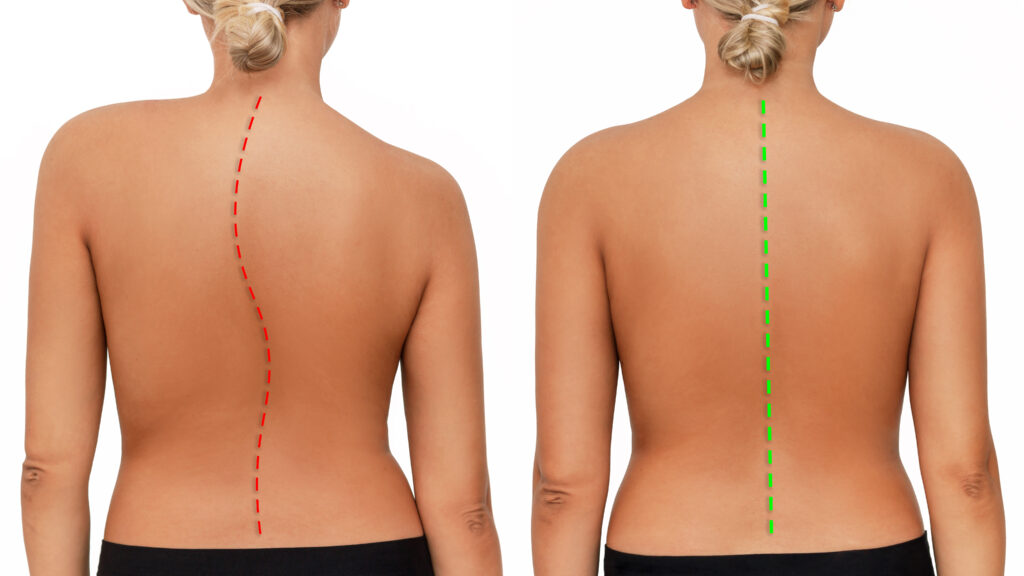
As a local chiropractor, I want to reassure you that if you're experiencing upper back pain, you're not alone, and there are effective ways to find relief. Many people struggle with this kind of discomfort, and understanding its root causes is essential for effective treatment. By identifying the triggers of your pain, we can tailor a holistic approach to help you feel better.
Incorporating specific stretching and strengthening exercises into your daily routine can be incredibly beneficial. These exercises, combined with improved posture, can lead to significant improvements in your condition. I often recommend practical techniques that can provide immediate relief, such as gentle stretches and adjustments that align your spine and improve mobility.
It's also important to know when to seek professional help. If your pain persists or worsens, a chiropractor can assess your situation and develop a personalized treatment plan. Many people find chiropractic care to be a natural and effective way to heal, so don't hesitate to reach out if you have questions or need guidance on your journey toward relief. Your health and well-being are my top priorities!
Understanding Upper Back Pain
As a local chiropractor, I want to help you understand upper back pain and how it can impact your daily life. Many people experience this discomfort, often due to factors like poor posture, muscle strain, and body mechanics. If you find yourself sitting for extended periods or hunching over your computer, your muscles may become tight and fatigued, leading to that nagging pain. You might even notice that certain movements—like reaching for something on a high shelf or turning your head—can make the discomfort worse.
The upper back, or thoracic spine, consists of vertebrae that are vital for providing support and stability. This region plays a significant role in maintaining good posture and allowing for mobility. When pain arises in this area, it often signals that something may not be functioning properly. You might experience a dull ache, sharp pain, or stiffness that limits how far you can move. Understanding the nature of your pain is crucial for finding effective solutions.
It's also important to recognize that emotional stress can contribute to upper back pain. When you're feeling stressed, you may unknowingly tense your muscles, leading to discomfort over time. Being mindful of both physical and emotional factors that may be impacting your upper back is essential for your overall well-being.
As a chiropractor, I encourage you to listen to your body and the messages it sends you. By paying attention to your posture, incorporating gentle stretches, and addressing stress, you can take proactive steps toward alleviating your upper back pain.
Common Causes and Triggers
As a local chiropractor, I want to help you understand that poor posture habits can greatly contribute to upper back pain, often without you even realizing it.
Daily activities and the stress we carry can lead to muscle strain, affecting how you feel overall. Recognizing these common causes and triggers is crucial in your journey toward relief and healing.
Poor Posture Habits
As a local chiropractor dedicated to promoting natural healing and wellness, I often see patients who unknowingly adopt poor posture habits that contribute to upper back pain.
It's important to understand that how you sit, stand, and move can significantly impact your back health. Here are three common habits I encourage you to be mindful of:
1. Slouching while sitting: Many people tend to lean forward in their chairs or round their shoulders, which can strain the upper back muscles. This slouched position may feel comfortable initially, but over time, it can lead to discomfort and pain.
Instead, aim to sit upright with your back fully supported.
2. Looking down at your phone: In our digital age, constantly looking down at our phones has become a common behavior. This "tech neck" not only puts added stress on your neck but also affects your upper back.
Making a conscious effort to hold your phone at eye level can help alleviate this strain and prevent chronic issues.
3. Poor desk setup: An improperly arranged workspace can lead to awkward body positions that contribute to pain. If your monitor is too low or your chair lacks proper support, it may result in a painful posture.
I recommend evaluating your desk setup and making adjustments to ensure that your workspace promotes good posture.
Recognizing and addressing these habits is a crucial first step in alleviating upper back pain.
By making small adjustments to your posture and workspace, you can experience relief and improve your overall back health.
Muscle Strain Factors
As a local chiropractor, I want to help you understand the various factors that can lead to upper back pain, particularly those related to muscle strain. Many of these issues stem from our everyday activities and lifestyle choices, so it's important to be mindful of them.
One common culprit is improper lifting techniques. When you lift heavy objects without using your legs—like bending at the waist—you place undue stress on your back muscles. This can lead to significant strain and discomfort.
Additionally, repetitive movements, such as reaching or twisting while working at a computer, can cause muscle fatigue, which can also contribute to pain.
Another important factor is physical inactivity. If you aren't exercising regularly, your muscles can weaken, making them more prone to injuries. Even sitting for long periods can lead to muscle tension, particularly if your posture is poor or your seating isn't supportive.
Being overweight can further exacerbate these issues; excess weight increases the strain on your back muscles, making them more susceptible to injury.
Furthermore, inadequate sleep or an unsupportive mattress can lead to muscle tightness, resulting in discomfort and pain.
Lastly, sudden movements or awkward positions—like bending over quickly to pick something up—can cause strains that lead to pain.
By recognizing these factors, you can take proactive steps to avoid them. Incorporating proper lifting techniques, regular exercise, good posture, and adequate sleep into your routine can significantly reduce your risk of upper back pain.
As your chiropractor, I'm here to guide you in making these changes for better spinal health and overall well-being.
Stress and Tension
As a local chiropractor, I want to help you understand that upper back pain often goes beyond just physical strain; it's closely linked to stress and tension.
When we experience stress, our bodies naturally react by tightening the muscles, especially in the upper back and shoulders, which can lead to discomfort and pain. By recognizing the common causes and triggers, you can take proactive steps to manage this pain effectively.
Here are three common stressors that may contribute to your upper back pain:
- Workplace Pressure: Many of us spend long hours at work facing tight deadlines and demanding tasks. This mental stress can cause us to unconsciously tense our muscles, leading to discomfort in the upper back.
- Poor Posture: Stress often causes us to slouch or hunch over our desks, especially during stressful work periods. This poor posture places additional strain on your upper back muscles, exacerbating pain and discomfort.
- Emotional Strain: Life can be filled with challenges, from relationship issues to financial worries or significant life changes. These emotional stressors can elevate your overall stress levels, resulting in physical tension that manifests as upper back pain.
Understanding these connections is the first step toward relief.
As a chiropractor, I can help guide you through natural healing techniques and adjustments that address both the physical and emotional aspects of your discomfort.
Let's work together to find effective solutions for your upper back pain.
Effective Stretching Techniques
As a local chiropractor, I often emphasize the importance of stretching in relieving discomfort and enhancing mobility, especially when it comes to the upper back. Many patients are surprised to learn that effective stretching techniques can play a vital role in alleviating tension and pain. Here are some recommended stretches you can incorporate into your daily routine.
Let's begin with a simple yet powerful stretch known as the Cat-Cow stretch. Position yourself on all fours, ensuring that your wrists are aligned directly under your shoulders and your knees under your hips. Take a deep breath in as you arch your back—this is the Cow position—allowing your belly to drop toward the floor while lifting your head.
As you exhale, transition into the Cat position by rounding your back and tucking your chin to your chest. Repeat this flow for about 5-10 breaths, and you'll start to feel the release of tension in your spine.
Another effective stretch is the Child's Pose. This gentle position is great for relaxing the back. Kneel down, sit back on your heels, and stretch your arms forward while lowering your forehead to the ground.
Hold this stretch for 30 seconds to a minute, concentrating on your breath and noticing the soothing stretch along your spine.
Let's also explore the Thoracic Spine Rotation. This stretch can be performed while sitting in a chair. Keep your feet flat on the floor and place your right hand on the back of the chair.
Gently twist your torso to the right, holding this position for 15-30 seconds. Remember to switch sides and repeat. This stretch is excellent for improving mobility in the upper back.
Lastly, don't overlook the Wall Stretch. Stand facing a wall, place your palms against it, and step back, keeping your arms straight.
Lean into the stretch, and you should feel a nice release in your upper back and shoulders. Hold this position for 15-30 seconds for maximum benefit.
By incorporating these stretches into your routine regularly, you may notice a significant improvement in your upper back discomfort.
As your chiropractor, I encourage you to embrace these natural healing techniques to support your overall well-being. Remember, your body is designed to move, and gentle stretching can be a vital part of your journey to better health.
Strengthening Exercises for Relief
As your local chiropractor, I want to help you understand how strengthening exercises can effectively relieve upper back pain.
It's important to focus on exercises that target the key muscles in your back. Alongside these strengthening workouts, incorporating posture correction exercises and flexibility-enhancing stretches can lead to a remarkable improvement in your comfort and overall well-being.
By engaging in these practices, you'll not only build a stronger back but also promote natural healing and better posture.
Let's delve into how these exercises can support your journey to a healthier back.
Targeted Muscle Strengthening Workouts
As a local chiropractor, I often see patients struggling with upper back pain, and I want to share how targeted muscle strengthening workouts can be a natural and effective way to address this issue.
By focusing on the muscles that support your upper back, you can build strength and enhance stability, which are crucial for alleviating discomfort.
Here are three exercises I recommend to help you get started:
- Rows: With resistance bands or dumbbells, pull the weights towards you while keeping your elbows close to your body. This movement strengthens your rhomboids and trapezius muscles, which are essential for providing support to your upper back.
- Reverse Flys: Whether you're standing or sitting with a slight bend in your knees, hold a weight in each hand. With your arms extended, raise them out to the sides until they're parallel to the ground. This exercise effectively targets your rear deltoids and upper back muscles, helping to create balance in your posture.
- Plank to Downward Dog: Begin in a plank position and then gently push your hips back and up into a downward dog. This dynamic movement not only strengthens your upper back but also provides a stretch, contributing to relief from tension.
Consistency is vital for success, so aim to incorporate these workouts into your routine 2-3 times a week.
As you commit to this practice, you're likely to notice a significant improvement in your upper back pain and overall strength.
Posture Correction Exercises
As a local chiropractor, I want to share with you the importance of posture correction exercises in relieving upper back pain. Many people are unaware that muscle imbalances and poor spinal alignment can lead to discomfort, but by strengthening the muscles that support your spine, we can significantly improve your posture and help alleviate pain.
One of the exercises I often recommend is the seated row. To perform this exercise, find a sturdy chair and sit with your back straight and feet flat on the floor. Using a resistance band or light weights, pull the weights towards your chest while squeezing your shoulder blades together. Hold this position for a moment, and then slowly release. I suggest aiming for three sets of 10-15 repetitions to build strength over time.
Another effective exercise is the wall angel. Stand with your back against a wall, positioning your feet slightly away from it. Raise your arms to create a "W" shape, ensuring your elbows and wrists stay in contact with the wall. Then, slide your arms upward to form a "Y" shape and back down, all while maintaining contact with the wall. This should be repeated for 10-12 repetitions.
Incorporating these posture correction exercises into your daily routine can lead to significant improvements in your upper back health. Consistency is essential—try to practice these movements several times a week for optimal results.
Stretching for Flexibility Improvement
As a local chiropractor, I understand the importance of flexibility in managing upper back pain. Tight muscles can lead to discomfort and limit your movement, making it crucial to incorporate regular stretching into your daily routine. By doing so, you can enhance your flexibility and relieve tension in your back.
Here are three effective stretches I recommend for my patients:
- Cat-Cow Stretch: Begin on all fours, with your hands directly under your shoulders and knees under your hips. As you exhale, arch your back upward like a cat, drawing your chin to your chest. Then, as you inhale, lower your belly towards the floor, lifting your head and tailbone. Repeat this flow for about 10 cycles. This stretch is excellent for mobilizing your spine and relieving tension.
- Thoracic Rotation Stretch: Whether sitting or standing, maintain an upright posture. Cross your arms over your chest and gently rotate your upper body to one side, holding the position for 15 to 30 seconds. Afterward, switch sides and repeat. This stretch is particularly beneficial for enhancing rotational flexibility in your upper back, which can help reduce pain and improve overall movement.
- Child's Pose: Kneel and gently sit back on your heels. Extend your arms forward and lower your chest towards the floor. Hold this position for about 30 seconds to encourage deep relaxation while stretching out your back muscles. This pose is a wonderful way to unwind and release built-up tension in your upper back.
Incorporating these stretches into your routine can be a natural way to support your chiropractic care and promote healing in your body.
Always listen to your body and consult with your chiropractor if you have any concerns or questions about your stretching routine.
Posture Improvement Tips
As a local chiropractor, I'm here to highlight the importance of good posture for preventing and alleviating upper back pain. Many of my patients don't realize how impactful their everyday habits can be on their spinal health. It's essential to be mindful of how you sit, stand, and move throughout your day.
When you're sitting, ensure your feet are flat on the ground and your knees are at a right angle. Your back should be straight against the chair. I often recommend using a chair with good lumbar support or placing a cushion behind your lower back to help maintain the natural curve of your spine.
Standing is equally important. Try to distribute your weight evenly on both feet, keeping your shoulders back and your head aligned with your spine. Imagine a string gently pulling the crown of your head upwards; this visual can help lengthen your spine and open up your chest.
It's also vital to avoid locking your knees. A slight bend can help you maintain balance and support your posture.
For those of you who spend long hours at a desk, I urge you to take regular breaks. Stand up, stretch, and walk around every 30 to 60 minutes. This simple act not only relieves tension in your back but also helps reset your posture.
Consider ergonomic solutions like a standing desk or an ergonomic chair to promote better alignment.
Additionally, strengthening your core muscles plays a crucial role in supporting good posture. Incorporate exercises such as planks, bridges, and abdominal twists into your routine. These exercises will help support your spine and minimize strain on your upper back.
Lastly, be aware of your posture when using devices such as phones or tablets. Hold them at eye level to avoid slouching.
When to Seek Professional Help
As a local chiropractor, I often see patients who are unsure about when to seek professional help for upper back pain. It's crucial to understand that even with good posture and self-care practices, there are instances when pain can persist or even worsen. Ignoring these signs can lead to more serious issues, so it's important to be proactive about your health.
Here are three key indicators that it's time to visit a chiropractor or another healthcare professional:
- Persistent Pain: If you've been experiencing upper back pain for more than a few weeks, despite trying self-care remedies, this could be a sign that something more significant is at play. Don't let the discomfort linger—come in for an evaluation. We can help identify the root cause and develop an appropriate treatment plan.
- Radiating Pain: If you notice that your pain is spreading to your arms, neck, or chest, it's vital to seek medical attention right away. These symptoms may suggest nerve involvement or other serious conditions that require immediate care. At our clinic, we can assess your situation and determine the best course of action.
- Difficulty with Daily Activities: Are you having trouble with everyday tasks like lifting objects, bending, or even sitting comfortably? If so, it's time to consult a chiropractic professional. We specialize in evaluating musculoskeletal issues and can provide treatments tailored to your specific needs to help restore your function and mobility.
Remember, reaching out for help is a positive step towards recovery. Whether you visit a chiropractor, physical therapist, or another healthcare provider, getting the right guidance can make a significant difference in alleviating your pain and improving your quality of life.
Addressing these issues sooner rather than later can lead to better outcomes for your overall back health. Your well-being is our priority, and we're here to support you on your journey to recovery!
Conclusion
As a local chiropractor dedicated to your health, I want to share some valuable insights on relieving upper back pain and enhancing your overall well-being. Understanding the root cause of your pain is essential, and through chiropractic care, we can help you identify and address these underlying issues.
In addition to chiropractic adjustments, incorporating effective stretches and strengthening exercises into your routine can significantly alleviate discomfort. It's crucial to maintain good posture throughout your daily activities, as this can prevent further strain on your upper back.
Listening to your body is key. Pay attention to how different movements and positions affect your pain levels. I also recommend self-care practices such as heat therapy to soothe tight muscles and mindfulness techniques to manage stress, which can exacerbate pain.
If your upper back pain persists or worsens, I encourage you to reach out for a personalized evaluation and treatment plan. As your chiropractor, I'm here to guide you on your journey to recovery. Remember, your comfort and health are my top priorities!