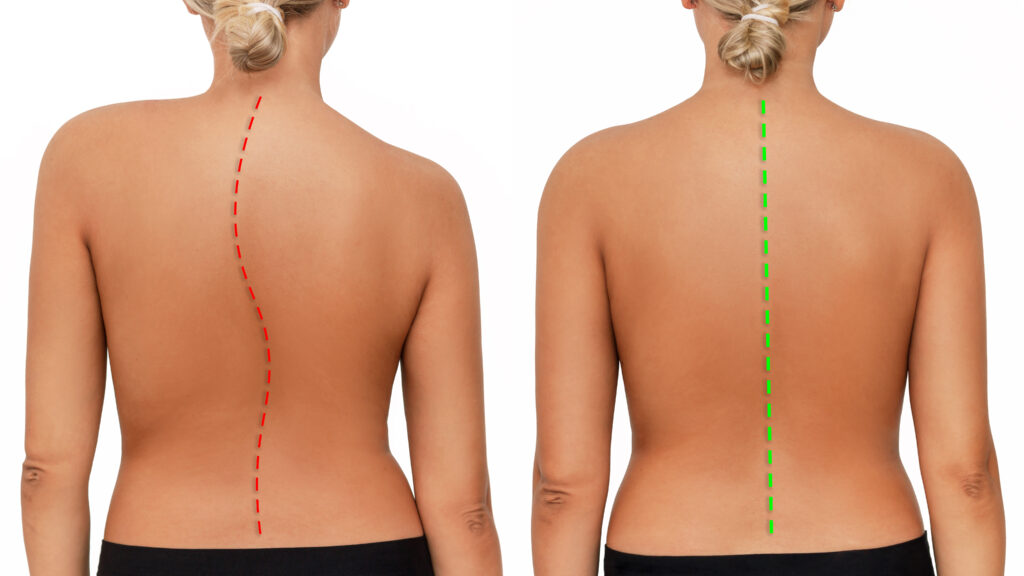
As a local chiropractor, I understand that many expectant mothers experience back pain during pregnancy, and you're certainly not alone in this struggle. Prenatal back pain can be uncomfortable, but the good news is that there are adjustments specifically designed to provide relief. These gentle chiropractic techniques focus on realigning your spine and pelvis, accommodating the significant changes your body is going through.
Our goal is to help ease your discomfort while also promoting your overall well-being during this special time. It's important to recognize that there are various methods of chiropractic adjustments, each tailored to your unique needs. These techniques can be a valuable part of a comprehensive approach to managing pain.
If you're curious about which specific adjustments might be suitable for you, I'm here to guide you through the options and help you find the best solutions for your situation. Let's explore how chiropractic care can support you throughout your pregnancy journey!
Understanding Prenatal Back Pain
As a chiropractor, I want to help you understand the common issue of prenatal back pain, which affects many pregnant women. During pregnancy, your body goes through significant changes, including a shift in your center of gravity. This shift can often lead to discomfort in your back, particularly in the lower region, but it can also manifest in the middle and upper areas.
One key factor is the hormonal changes, especially the increase in relaxin, which causes your ligaments to become more flexible. While this is meant to prepare your body for childbirth, it can also create instability and discomfort.
The added weight of your growing baby puts extra strain on your spine and surrounding muscles, which can lead to muscle fatigue and tension. Many women find that this tension makes it difficult to perform daily activities. Additionally, stress and anxiety about the upcoming changes can worsen your discomfort, creating a cycle of tension that can be challenging to break.
It's essential to pay attention to how your body reacts to various activities. Some women may experience increased pain after sitting or standing for extended periods, while others might find relief through gentle movements and stretching. Remember, each person's experience is unique, and what alleviates discomfort for one individual may not work for you.
While prenatal back pain is quite common, it's crucial to reach out to your healthcare provider if the pain becomes severe or is accompanied by other concerning symptoms. As a chiropractor, I can help you identify the underlying causes of your discomfort and recommend natural, effective strategies to manage your pain.
Understanding the dynamics of prenatal back pain can empower you to take proactive steps toward your comfort and overall well-being throughout your pregnancy. Together, we can work towards a healthier, more comfortable pregnancy experience.
Posture Adjustments
As a local chiropractor, I want to share some valuable insights on how simple posture adjustments can significantly alleviate prenatal back pain. During pregnancy, your center of gravity shifts, which often leads to poor posture and added strain on your back. To counteract this, it's essential to focus on maintaining a neutral spine.
When standing, aim to stand tall with your shoulders back and your chin parallel to the ground. Picture a string gently pulling the crown of your head upward; this visualization can help you align your body in a healthier way.
When it comes to sitting, opt for supportive chairs and keep your feet flat on the floor. You might find it helpful to use a small cushion or a rolled towel to provide support for your lower back. This simple adjustment will relieve pressure on your spine and encourage better posture.
If you need to sit for long stretches, remember to take regular breaks to stand up and stretch, allowing your body to reset.
While walking, be mindful of your steps. Keep your feet hip-width apart and distribute your weight evenly. It's important to avoid leaning too far forward or backward, as this can worsen back pain. Instead, engage your core muscles for added support and stability.
When lifting objects, always remember to bend at your knees rather than your waist, and hold items close to your body. This technique will reduce strain on your back and help maintain proper alignment.
By implementing these posture adjustments, you can ease discomfort and support your body as it navigates the changes of pregnancy.
As a chiropractor, I'm here to help you understand how your body works and to provide natural solutions for a smoother pregnancy experience. If you have any questions or need personalized guidance, please don't hesitate to reach out!
Exercise and Stretching
As a local chiropractor, I want to share some insights on managing prenatal back pain through safe exercises and effective stretching techniques. Many expectant mothers find that strengthening their core muscles not only alleviates discomfort but also provides essential support for their growing bellies.
It's important to stay active during pregnancy, and I'm here to guide you on how to do that while prioritizing your comfort and safety. Incorporating gentle movements and stretches into your routine can significantly improve your overall well-being.
We can explore tailored exercises that not only help in relieving back pain but also promote better posture and alignment, which is crucial during this transformative time. Remember, your comfort is key, and with the right approach, you can enjoy a healthier, more active pregnancy.
Let's work together to find the best strategies for you!
Safe Exercises for Relief
As a local chiropractor, I want to share some insights on how safe exercises can be instrumental in managing prenatal back pain.
These exercises not only provide relief but also contribute to your overall well-being during pregnancy. They focus on strengthening your core, enhancing flexibility, and alleviating discomfort in a natural way.
Before starting any new exercise program, it's essential to listen to your body and consult with your healthcare provider for personalized guidance.
Here are some safe exercises I recommend:
- Pelvic Tilts: This simple exercise is effective for strengthening your lower back and abdominal muscles. You can perform pelvic tilts on your hands and knees or while lying on your back with your knees bent. This will help support your spine and reduce strain.
- Cat-Cow Stretches: This gentle movement is excellent for improving spinal flexibility. By alternating between arching your back (cat pose) and lowering your belly while lifting your head (cow pose), you can create a soothing rhythm that helps release tension in your back.
- Wall Sits: For a great way to strengthen your legs and back without excessive strain, try wall sits. Stand against a wall and slide down until your knees are at a 90-degree angle. Hold this position for a few seconds to build strength in a safe manner.
Incorporating these exercises into your daily routine can significantly help in managing and reducing back pain during your pregnancy.
Always prioritize safety and comfort as you incorporate movement into your day.
Effective Stretching Techniques
As a local chiropractor, I want to share some effective stretching techniques that can play a crucial role in alleviating prenatal back pain and enhancing your overall flexibility during pregnancy. Your body goes through significant changes, and incorporating specific stretches can help relieve the tension that often builds up in your back.
Let's start with a great stretch known as the cat-cow stretch. Begin on all fours, and as you breathe deeply, alternate between arching your back and rounding it. This gentle movement helps to mobilize your spine and can ease discomfort.
Next, consider the seated forward bend. Sit down with your legs extended in front of you, and slowly reach for your toes while keeping your back straight. This stretch is particularly effective for targeting your hamstrings and lower back, helping to release tightness and promote relaxation.
Another beneficial stretch is the child's pose. Kneel down and sit back on your heels, then stretch your arms forward on the floor. This position provides a soothing stretch for both your back and hips, allowing for a gentle release of tension.
Remember, deep breathing throughout each stretch is essential for relaxation and maximizing the benefits.
Lastly, don't forget about the standing side stretch. Stand tall and raise one arm overhead while leaning to the opposite side. This stretch helps open up the sides of your torso and can relieve tension in your lower back, which is particularly important during pregnancy.
Incorporating these stretches into your routine can significantly enhance your comfort and promote better mobility as your body adapts to the changes of pregnancy.
As always, if you have any concerns or need personalized advice, feel free to reach out to me or another healthcare professional. Your health and well-being are our top priorities.
Strengthening Core Muscles
As a local chiropractor, I often emphasize the importance of strengthening core muscles, especially during pregnancy, to help alleviate back pain. A strong core provides essential support for your growing belly and significantly reduces strain on your back.
Here are a few effective exercises you can incorporate into your routine, which I recommend to many of my patients:
- Pelvic Tilts: This exercise can be performed standing or on all fours. Gently arch your back as you inhale, then round it as you exhale. This not only improves flexibility but also enhances core strength, which is vital during pregnancy.
- Modified Plank: Begin on your knees and forearms, ensuring that your body forms a straight line from your head to your knees. Try to hold this position for 10-30 seconds, gradually building your endurance over time. This exercise engages multiple core muscles and is an excellent way to maintain stability.
- Seated Leg Lifts: Find a sturdy chair and sit at the edge. Extend one leg straight out in front of you, holding it for a brief moment before lowering it back down. Alternate between legs, and focus on engaging your abdominal muscles with each lift. This movement is gentle yet effective for core strengthening.
It's crucial to listen to your body and steer clear of any movements that cause discomfort. Strengthening your core not only helps ease back pain but also prepares your body for labor and enhances recovery afterward.
I always encourage my patients to consult with their healthcare provider before starting any new exercise regimen during pregnancy. Your health and well-being are our top priorities, and we want to ensure that you're making the best choices for you and your baby.
Supportive Gear
As a local Chiropractor, I want to share some insights on managing prenatal back pain through supportive gear.
Many expecting mothers may not realize how effective tools like maternity support belts and ergonomic pillows can be in providing relief and stability during this special time.
These supportive devices can help align your body, reduce strain, and enhance your overall comfort.
Let's delve into how incorporating these tools into your daily routine can promote a healthier and more comfortable pregnancy experience.
Maternity Support Belts
As a local chiropractor, I often see expectant mothers dealing with prenatal back pain, and I want to share some insights on how maternity support belts can be a valuable tool in managing discomfort during this special time.
These belts are specifically designed to provide additional support to your growing belly, helping to alleviate pressure on your lower back and promoting overall comfort throughout your pregnancy.
Here are some of the key benefits of using a maternity support belt:
- Enhanced Posture: By offering extra support, these belts encourage better alignment of your spine, which can significantly reduce strain on your back and help you maintain a more natural posture.
- Decreased Pelvic Pressure: Maternity support belts assist in distributing your weight more evenly, which can help lessen pelvic discomfort and improve your overall sense of well-being.
- Improved Mobility: With the right support, many women find it easier to move around, enabling them to stay active and engaged in their daily activities, which is important for both physical and mental health.
When selecting a maternity support belt, it's important to find one that fits snugly yet comfortably. It shouldn't restrict your movement or breathing, as comfort is key to its effectiveness.
You can wear the belt throughout the day – whether you're at home, running errands, or exercising. However, I recommend removing it while resting or sleeping to allow your body to relax and rejuvenate.
Incorporating a maternity support belt into your routine can enhance your overall comfort during pregnancy, allowing you to focus on the joy of bringing new life into the world.
If you have any questions or would like personalized recommendations, please feel free to reach out. Your health and comfort are paramount, and I'm here to support you on your journey.
Ergonomic Pillows Usage
As a local chiropractor, I want to share with you how incorporating ergonomic pillows into your daily routine can significantly enhance your comfort, especially during pregnancy. These specially designed pillows provide excellent support for your body, particularly as your belly expands. By using an ergonomic pillow, you can alleviate pressure on crucial areas like your back, hips, and joints, thereby reducing discomfort while you sleep or relax.
When selecting an ergonomic pillow, it's important to choose one that provides adequate support for your neck and helps maintain proper spinal alignment. For instance, body pillows and wedge pillows can be particularly effective. A body pillow can be placed between your knees to relieve hip strain, while a wedge pillow can elevate your upper body, helping to ease issues like heartburn or breathing difficulties.
I encourage you to experiment with various positions and types of pillows to discover what suits you best. Many pregnant individuals find that sleeping on their side is the most comfortable and is often recommended for optimal health during this time.
Don't hesitate to adjust your pillows throughout the night to find the most comfortable arrangement.
With the right ergonomic pillows, many of my patients have reported experiencing improved sleep quality and reduced back pain. This can make your pregnancy journey not only more comfortable but also more enjoyable.
Massage and Alternative Therapies
As a local chiropractor, I understand that many expectant mothers experience prenatal back pain, and I'm here to help you explore how chiropractic care and other alternative therapies can provide relief.
These approaches can significantly alleviate muscle tension, enhance circulation, and improve your overall well-being during pregnancy. Let's discuss some effective therapies that may suit your needs:
- Prenatal Chiropractic Care: This specialized approach focuses on gentle adjustments tailored for pregnant women. My goal is to help align your spine and pelvis, which can alleviate pressure on your back, hips, and legs. This not only helps relieve pain but also promotes relaxation and may even improve your sleep quality.
- Acupuncture: This ancient technique involves inserting fine needles into specific points on the body. Many of my patients have found acupuncture beneficial for managing pain and reducing stress during pregnancy. It's a natural way to support your body as it undergoes significant changes.
- Massage Therapy: While I focus on chiropractic care, I often recommend incorporating prenatal massage into your routine. A trained therapist can relieve tension in key areas and enhance your comfort during pregnancy.
Before beginning any alternative therapy, including chiropractic care, it's essential to consult with your healthcare provider. They can help guide you on which options are safe and effective for your individual situation.
Additionally, I encourage you to seek a chiropractor who specializes in prenatal care to ensure you receive the most appropriate and beneficial treatment.
By integrating chiropractic care and these alternative therapies into your prenatal care routine, you may find significant relief from back pain and enjoy a more comfortable pregnancy experience.
If you have any questions or would like to learn more about how these therapies can help you, feel free to reach out. Your well-being is my priority!
Ergonomic Home Environment
Creating an ergonomic home environment is crucial for managing prenatal back pain and enhancing your overall comfort during pregnancy. As a chiropractor, I often emphasize the importance of proper posture and supportive furniture in reducing discomfort.
Start by assessing your seating options. Opt for chairs that offer good lumbar support, and consider adding a cushion or rolled towel to bolster your lower back. If you spend time at a desk, ensure that your chair and desk height allow you to maintain a comfortable posture, with your feet flat on the floor. This alignment helps reduce strain on your spine.
Next, let's talk about your sleeping arrangements. A supportive mattress can significantly alleviate back pain. I recommend sleeping on your side with a pillow between your legs, as this position promotes better spinal alignment and minimizes strain. If you find it hard to get comfortable, consider investing in a pregnancy pillow designed to support your growing belly and back.
In the kitchen, it's essential to keep frequently used items within easy reach to prevent excessive bending or stretching, which can exacerbate back pain. Using a stool or footrest while standing for extended periods can also help relieve pressure on your lower back.
Be mindful of your daily movements as well. When lifting objects, always bend at your knees instead of your waist, engaging your legs to do the heavy lifting. Additionally, take regular breaks to stretch throughout the day. Simple stretches can alleviate tension and improve circulation, making a significant difference in how you feel.
When to Seek Professional Help
As a local chiropractor, I want to emphasize the importance of knowing when to seek professional help for prenatal back pain. While experiencing some discomfort during pregnancy is common, certain symptoms may indicate a more serious issue that shouldn't be overlooked.
It's crucial to listen to your body and recognize when it's time to consult with a healthcare provider.
Here are some key indicators that you should consider reaching out for help:
- Persistent Pain: If your back pain lingers for more than a few days or seems to worsen despite trying home remedies, it's essential to get a professional evaluation. Chiropractic care can offer relief and address underlying issues.
- Radiating Pain: Experiencing pain that travels down your legs can be a sign of nerve involvement or sciatica. This type of pain requires attention, as it may benefit from specific chiropractic adjustments and techniques.
- Accompanied Symptoms: If your back pain is accompanied by fever, chills, or unusual discharge, these could be warning signs of an infection or other complications. In such cases, immediate medical attention is necessary.
Don't hesitate to reach out to my office if you're uncertain about your symptoms.
As a chiropractor, I can assess your condition and recommend natural treatment options that may include spinal adjustments, physical therapy, and lifestyle modifications.
Your health and the health of your baby are my top priorities. By seeking help when needed, you can effectively manage your prenatal back pain and enhance your overall well-being during this special time.
Conclusion
As a local chiropractor, I want to help you understand how to effectively manage prenatal back pain through natural and holistic methods. It's important to know that a combination of adjustments, gentle exercises, and supportive measures can significantly alleviate discomfort during pregnancy.
First and foremost, paying attention to your posture is crucial. Good posture helps to alleviate unnecessary strain on your back. Incorporating gentle stretches tailored for pregnant women can also provide relief and improve flexibility. Additionally, using ergonomic gear such as supportive maternity pillows can make a world of difference.
Don't underestimate the power of massage and alternative therapies, as they can provide relaxation and help release tension in your muscles. Always be mindful of how your body feels; if you experience persistent pain, seeking professional help from a chiropractor can be very beneficial.
Remember, taking care of your back during pregnancy is not just about comfort—it's essential for your overall well-being and can contribute to a healthier experience for both you and your baby. Embrace these natural methods, and let's work together towards a pain-free pregnancy!