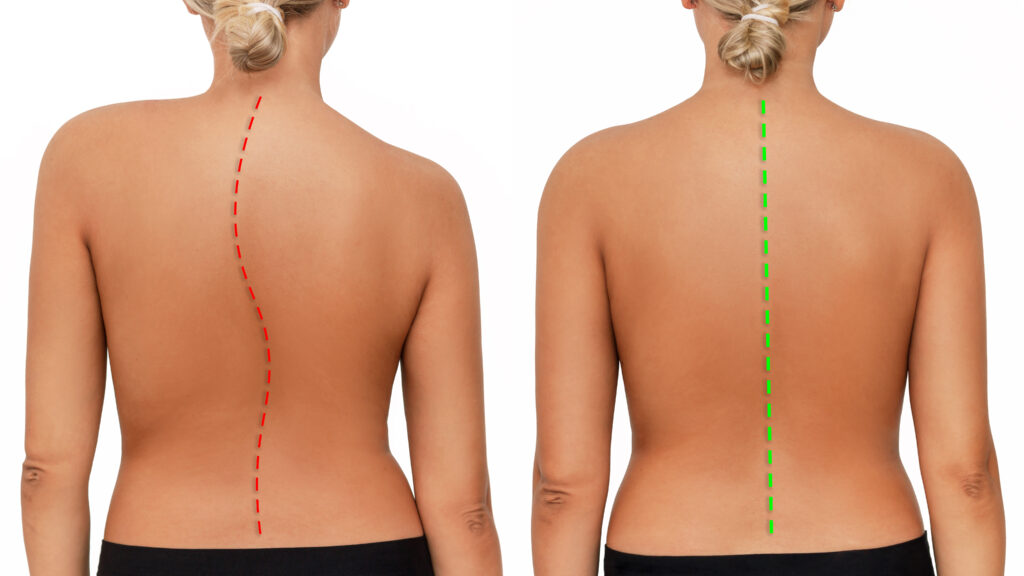
As a local chiropractor, I understand that many of you may be struggling with back pain and seeking effective relief methods. It's important to know that there are several holistic approaches we can explore together. Techniques such as targeted stretching and strengthening exercises can significantly alleviate discomfort and promote healing. Additionally, the application of heat and cold therapy can provide immediate relief by reducing inflammation and improving circulation.
Proper posture and ergonomic adjustments are also crucial in your daily routine. By making small changes in how you sit, stand, and move, you can enhance your overall comfort and prevent future issues. Each of these methods offers unique benefits, and when combined thoughtfully, they can lead to a more effective recovery journey.
I encourage you to consider these strategies as we work together to find the best path for your healing. Remember, chiropractic care focuses on natural healing, and I am here to guide you every step of the way.
Understanding Back Pain Causes
As a local chiropractor, I want to help you understand the various causes of back pain and how we can address them through natural healing methods. Back pain can arise from numerous factors, and it's essential to identify what might be contributing to your discomfort.
One of the most common causes is poor posture, particularly for those who spend long hours at a desk. Slouching or hunching over can put a significant strain on your spine and the surrounding muscles, leading to discomfort that often worsens by the end of the workday. Practicing good posture and taking regular breaks can help alleviate this strain.
Muscle strain is another prevalent issue we see. Improper lifting techniques or overexerting yourself during physical activities can lead to strained muscles in your back. If you've recently started a new exercise program or taken on a physically demanding task, this could be the source of your pain. I can provide guidance on proper lifting techniques and exercises to strengthen your back.
Injuries from falls or accidents can also result in back pain, even if they seem minor at first. It's crucial to address any injuries properly to prevent lingering discomfort. Additionally, underlying medical conditions such as herniated discs, arthritis, or sciatica can play a role in your back pain. During your visit, we can discuss any accompanying symptoms you may have, as they can give us valuable insights into the root cause of your discomfort.
Lastly, don't overlook the impact of emotional stress. When you're stressed, your body tends to tense up, which can lead to muscle tightness and pain. Recognizing the connection between your mental well-being and physical health is vital, and I can help you explore holistic approaches to manage stress and promote relaxation.
Stretching and Strengthening Exercises
As a local chiropractor, I want to share with you the importance of incorporating targeted stretching techniques and core strengthening exercises into your daily routine to effectively manage back pain.
These practices are essential for improving flexibility and providing support to your spine, which can significantly ease your daily activities.
Let me guide you through some beneficial exercises that not only help alleviate your back pain but also strengthen your back for long-term health.
By understanding how to properly stretch and strengthen your core, you can take an active role in your healing process and enhance your overall well-being.
Embracing these natural approaches can lead to a healthier spine and a more comfortable life.
Targeted Stretching Techniques
As a local chiropractor, I want to share how incorporating targeted stretching techniques into your routine can significantly help alleviate back pain.
These stretches are designed to enhance your flexibility and strengthen the muscles surrounding your spine, focusing on key areas that often contribute to discomfort, including the lower back, hips, and hamstrings.
Let's start with the cat-cow stretch. This is a gentle way to improve spinal flexibility.
Begin by getting on all fours, and as you inhale, arch your back, creating a gentle curve. When you exhale, round your back. Repeat this sequence for 5-10 cycles.
Next, I recommend the seated forward bend. Sit with your legs extended in front of you, and slowly reach forward toward your toes.
Hold this position for 15-30 seconds. This stretch not only targets your hamstrings but also encourages relaxation in your back, which can be incredibly beneficial.
Another effective stretch is the child's pose. Kneel down and sit back on your heels while stretching your arms forward on the ground.
Hold this position for 20-30 seconds to help release tension in your back and hips.
Lastly, don't overlook the piriformis stretch. Lie on your back and cross one ankle over the opposite knee, then gently pull the uncrossed leg toward your chest.
This stretch can help alleviate tightness in your hips and lower back.
By integrating these stretches into your daily routine, you can take proactive steps toward managing your back pain and enhancing your overall well-being.
Core Strengthening Exercises
As a local chiropractor dedicated to promoting natural healing and overall wellness, I want to emphasize the importance of core strengthening exercises in supporting your spine and enhancing your stability. A robust core is essential for evenly distributing weight throughout your body, which can significantly reduce strain on your back.
By integrating targeted core exercises into your routine, you can experience relief from back pain and improve your overall health.
I recommend starting with foundational exercises such as planks and bridges. For planks, position yourself on your forearms and toes, maintaining a straight line from head to heels. Aim to hold this position for 20-30 seconds, gradually increasing the time as your strength improves.
Bridges are another excellent exercise; lie on your back with your knees bent, then lift your hips toward the ceiling while engaging your glutes. Aiming for three sets of 10-15 repetitions can yield great results.
As you become more comfortable with these basics, consider incorporating exercises like bird-dogs and Russian twists. Bird-dogs are performed by balancing on all fours while extending one arm and the opposite leg, which helps improve your stability and coordination.
For Russian twists, sit with your knees bent, lean back slightly, and rotate your torso side to side, which effectively engages your obliques.
Always listen to your body during these exercises and don't hesitate to reach out for guidance if you experience any discomfort. Regular practice of these core strengthening exercises can lead to meaningful improvements in your back health and overall well-being.
Physical Therapy Options
As a local chiropractor, I want to share how exploring chiropractic care can significantly aid in managing your back pain.
Our approach focuses on natural healing methods that promote recovery through targeted adjustments and therapies. By utilizing specialized techniques, we can improve your spinal alignment, enhance your posture, and implement personalized exercise programs tailored to your specific needs.
These methods not only help alleviate pain but also work towards restoring your strength and mobility.
Let's discuss how chiropractic care can be a vital part of your journey to wellness.
Targeted Exercise Programs
As a local chiropractor, I want to share how targeted exercise programs can significantly benefit those suffering from back pain. These specialized programs are designed to strengthen the muscles that support your spine, enhance flexibility, and improve overall mobility. By engaging in exercises specifically tailored to your needs, you can't only alleviate pain but also prevent future issues.
I recommend starting with a consultation to assess your condition. This evaluation allows me to create a personalized exercise plan that may include core-strengthening activities, stretching routines, and low-impact aerobic exercises. For example, exercises like planks and bridges are excellent for building strength in your abdominal muscles, while gentle stretching can relieve tension in your back.
It's important to approach these exercises with care. Begin slowly and pay close attention to how your body responds. You might feel some discomfort at first, but it's crucial not to push through any sharp pain. Instead, we can adjust your routine to ensure you're comfortable and progressing safely.
By consistently practicing these exercises, you can expect to see significant improvements in both your strength and flexibility. Incorporating targeted exercise into your daily life not only aids in pain relief but also empowers you to take control of your back health.
With dedication and consistency, these programs can provide lasting benefits, allowing you to live a more active and pain-free life. Let's work together to find the right approach for your back health journey.
Manual Therapy Techniques
As a local chiropractor dedicated to helping our community, I want to share the vital role manual therapy techniques play in managing back pain and improving mobility. These hands-on approaches can offer immediate relief and enhance your overall function, making a significant difference in your daily life.
If you're experiencing discomfort, I encourage you to consider options like spinal manipulation or mobilization. Spinal manipulation is a technique where I apply controlled force to specific joints, which helps restore proper alignment and function. Many of my patients report a noticeable reduction in pain and an increase in their range of motion after just a few sessions.
Mobilization, on the other hand, involves gentle movements and stretches designed to enhance flexibility and reduce stiffness in the muscles and joints. It's a gentle yet effective way to help your body feel better.
Another valuable technique I utilize is myofascial release, which focuses on relieving tension in the fascia—the connective tissue that surrounds your muscles. This method can be particularly beneficial for tight areas that contribute to your discomfort, allowing for greater ease of movement.
I also incorporate soft tissue techniques that help alleviate muscle spasms and improve circulation. These methods often involve applying pressure and stretching to target specific problem areas, providing relief and promoting healing.
Integrating these manual therapy techniques into your treatment plan can greatly enhance your recovery journey. I always recommend consulting with a qualified therapist, like myself, to determine which methods will work best for your unique situation.
Together, we can work towards a healthier, pain-free life!
Posture and Body Mechanics
As a local chiropractor, I want to emphasize the crucial connection between your posture, body mechanics, and the health of your back. Many people don't realize that the way you sit, stand, and move can significantly affect your comfort and overall well-being. My goal is to help you understand how maintaining a neutral spine position can be a key factor in preventing and managing back pain. This means aligning your ears with your shoulders and hips, and steering clear of slouching or overextending your back.
When you're sitting, it's important to choose a chair that offers proper support for your lower back. Make sure your feet are flat on the ground and your knees are bent at a right angle. This simple adjustment can help alleviate unnecessary strain on your back.
If you're spending long hours at a desk, don't forget to take regular breaks to stretch and shift your position to keep your body happy.
When it comes to lifting, remember to bend at your hips and knees rather than your waist. Keep the objects you lift close to your body and engage your core muscles to protect your back. Strengthening your core and back muscles through targeted exercises can greatly enhance your posture and body mechanics, leading to better overall health.
If you're unsure about how to maintain proper posture or body mechanics, I encourage you to consult with me or another knowledgeable chiropractor. We can provide personalized guidance, exercises, and techniques tailored to your unique needs, helping you stay pain-free and active in your daily life.
Together, we can work towards a healthier, more aligned you!
Chiropractic Care Benefits
As a local chiropractor dedicated to helping our community, I want to share with you the numerous benefits of chiropractic care, especially for those dealing with back pain. Many people are unaware of how chiropractic treatment focuses on the spine and its alignment, leading to a natural restoration of balance within the body. This holistic approach not only addresses your immediate discomfort but also targets the root causes of your pain, paving the way for lasting relief.
One of the standout features of chiropractic care is its non-invasive nature. Instead of turning to medications or surgical options, you can explore personalized adjustments and treatments designed specifically for your needs. These techniques not only alleviate pain but also enhance your mobility, reduce inflammation, and promote a general sense of wellness.
When we perform chiropractic adjustments, our goal is to correct misalignments in your spine. These adjustments relieve pressure on nerves and improve overall body function. Many patients report experiencing increased movement and flexibility, enabling them to participate in daily activities without the restrictions often imposed by back pain.
Additionally, regular chiropractic visits can lead to long-lasting improvements in your posture and body mechanics. By learning how to maintain proper alignment, you can significantly lower your risk of future injuries and chronic pain.
Furthermore, we take pride in providing you with guidance on exercises and stretches that complement your treatment, supporting your recovery journey.
If you're new to chiropractic care, I encourage you to consider it as a natural and effective option for improving your quality of life. Together, we can work towards alleviating your pain and enhancing your overall well-being.
Mindfulness and Relaxation Techniques
As a local chiropractor, I often see how the hustle and bustle of daily life can take a toll on our bodies, particularly when it comes to back pain. Incorporating mindfulness and relaxation techniques into your routine can be transformative in managing this discomfort. These strategies not only help you focus your mind but also reduce stress and promote relaxation, which can significantly ease tension in your back.
One technique I recommend is deep breathing. It's quite simple yet incredibly effective. By taking slow, deep breaths, you can engage your body's natural relaxation response. Inhale deeply through your nose, hold for a moment, and then exhale slowly through your mouth. Repeating this several times can lead to a noticeable reduction in tension, helping you feel more at ease.
Another method I find beneficial is progressive muscle relaxation. This technique involves tensing and then relaxing different muscle groups in your body. Start with your toes—clench those muscles tightly for a few seconds, then release. Gradually move up to your legs, abdomen, and all the way to your head. Pay attention to how your muscles feel as you let go of the tension. This practice isn't only effective for alleviating back pain but also enhances your overall sense of well-being.
Mindfulness meditation is another great option to consider. I encourage my patients to set aside just a few minutes each day to sit quietly, focusing on their breath or a calming image. When thoughts about pain or discomfort arise, simply acknowledge them without judgment and gently bring your focus back to your breath. Regular practice of mindfulness can increase your awareness of pain, making it easier to manage.
Heat and Cold Therapy
As a local chiropractor, I want to share some valuable insights about heat and cold therapy, which can be incredibly effective for managing back pain. Understanding when and how to use these methods can significantly enhance your comfort and promote healing.
If you're experiencing muscle stiffness or tension in your back, heat therapy is an excellent option. Applying heat increases blood flow to the affected area, which not only promotes healing but also helps to relax tight muscles. You can easily do this at home using a heating pad, a warm towel, or by taking a soothing warm bath.
Just be cautious not to make the heat too intense, as we want to avoid any risk of burns. Aim for 15 to 20 minutes of heat application for optimal relief.
Conversely, if you've recently sustained a back injury or are dealing with swelling, cold therapy is the way to go. Cold packs can effectively reduce inflammation and numb the painful area, offering immediate relief. You might consider using a cold pack, ice wrapped in a cloth, or even a bag of frozen vegetables.
Similar to heat therapy, apply the cold for about 15 to 20 minutes, and be sure to allow your skin to warm up between sessions to prevent frostbite.
You might also find it beneficial to alternate between heat and cold therapy. This contrast can stimulate circulation and often leads to more effective pain relief. Always listen to your body; if one method seems to worsen your pain, it's perfectly fine to switch to the other.
Incorporating heat and cold therapy into your daily routine can empower you to take charge of your back pain, helping you regain mobility and comfort in your everyday activities.
As your chiropractor, I'm here to guide you through these natural healing methods and support your journey toward better health.
Proper Posture Practices
As your local chiropractor, I want to emphasize the importance of maintaining proper posture for preventing and alleviating back pain. Proper alignment of your body can significantly reduce strain on your spine and muscles, promoting overall health.
Here are some effective practices I encourage you to adopt:
- Engage your core: By keeping your abdominal muscles active, you provide essential support to your lower back, helping to maintain proper alignment and stability.
- Align your ears, shoulders, and hips: Whether you're standing or sitting, aim for a straight line between these three points. This alignment promotes balance and helps to reduce unnecessary tension in your body.
- Use your legs when lifting: Always bend at your knees instead of your waist when lifting heavy objects. This technique minimizes the stress on your back and helps protect your spine.
I understand that it can be challenging to maintain good posture consistently, but remember, practice makes perfect. I recommend setting reminders throughout your day to check in on your posture.
Simple cues, like sticky notes on your computer or desk, can serve as gentle nudges to help you sit or stand tall.
Additionally, pay attention to your posture while using your phone or other devices. Holding them at eye level helps prevent that common tendency to hunch over, which can lead to discomfort over time.
If you find yourself sitting for extended periods, it's crucial to take regular breaks. Stand up, stretch, and reset your posture.
These simple movements can relieve tension and keep your back healthy.
By being mindful of your posture and incorporating these practices into your daily routine, you can take proactive steps toward reducing back pain and enhancing your overall well-being.
If you have any questions or need personalized advice, don't hesitate to reach out to me. Your health is my priority!
Ergonomic Adjustments at Work
As a local chiropractor, I often encounter patients who are unaware of how crucial ergonomic adjustments at work are for preventing back pain. When you're spending long hours sitting at a desk or standing in a fixed position, the configuration of your workspace can have a significant impact on your comfort and overall health.
Let's start with your chair. It's essential that it provides proper support for your lower back, allowing your feet to rest flat on the floor or on a footrest. Your knees should be positioned at or slightly below hip level to help maintain proper spinal alignment.
The height of your desk is equally important; it should enable your elbows to remain close to your body while forming a 90-degree angle as you type. If your desk is either too high or too low, it can create unnecessary strain on your back and shoulders, which we often see in our practice.
Next, consider your computer monitor. It should be set at eye level to prevent you from hunching over or straining your neck. If you're using a laptop, I recommend investing in an external keyboard and mouse to achieve a more ergonomically sound setup.
It's also vital to remember the importance of regular breaks. Standing up, stretching, and moving around every hour can significantly alleviate tension and discomfort.
If you have the opportunity, look into a standing desk or an adjustable workstation that allows you to alternate between sitting and standing throughout the day.
As a chiropractor, my goal is to help you understand how these simple adjustments can lead to better posture, reduced pain, and enhanced well-being. Taking these steps can make a significant difference in your daily comfort and long-term health.
Lifestyle and Dietary Changes
As a local chiropractor, I want to share with you how certain lifestyle and dietary changes can significantly enhance your journey toward back pain relief. By focusing on your everyday habits and nutritional choices, you can create a supportive environment for your spine. Here are some key changes that I recommend:
- Stay Active: Engaging in regular physical activity is crucial for strengthening your muscles, improving flexibility, and helping you maintain a healthy weight. I suggest low-impact exercises such as walking, swimming, or yoga. These activities can help keep your back healthy without risking additional strain.
- Maintain a Healthy Weight: Carrying excess weight, particularly around the midsection, can place extra stress on your spine. By consuming a balanced diet filled with fruits, vegetables, lean proteins, and whole grains, you can achieve and sustain a healthy weight, which is vital for spinal health.
- Stay Hydrated: Proper hydration plays a critical role in maintaining spinal health. Drinking enough water helps keep the spinal discs elastic, reducing the likelihood of injury and pain. Aim for at least eight 8-ounce glasses of water each day to support your body.
In addition to these habits, I encourage you to pay attention to your posture throughout your daily activities—whether you're sitting, standing, or lifting objects.
Maintaining good posture can relieve undue pressure on your back. Remember, consistency is key. While it may take some time to see significant improvements, your commitment to these lifestyle and dietary adjustments can lead to better back health and overall well-being.
If you have any questions or need personalized advice, please feel free to reach out to me or consult with a healthcare professional who can guide you in your healing journey.
Conclusion
As a local chiropractor, I want to share some effective techniques that can significantly help you manage back pain. Understanding the underlying causes of your discomfort is essential, and I encourage you to explore targeted exercises that can strengthen your back and improve flexibility. Incorporating therapies such as heat and cold can also be beneficial in alleviating pain and promoting healing.
I cannot stress enough the importance of maintaining good posture and making ergonomic adjustments in your daily activities. Simple changes in your workspace or how you sit can have a profound impact on your spinal health. With a few lifestyle modifications and a commitment to your well-being, you can achieve relief from back pain and enjoy a more active, pain-free life. Remember, as your chiropractor, I am here to guide you on this journey towards optimal health and wellness.