If you're dealing with neck pain, you might be wondering about natural remedies that can provide relief. Options like gentle neck stretches, heat and cold therapy, and essential oils can all play a role in easing discomfort. Herbal supplements and mindfulness techniques also offer promising benefits. But with so many choices available, which ones are most effective for your specific situation? Understanding the nuances of these remedies could be key to finding the relief you need.
Gentle Neck Stretches
When dealing with neck pain, gentle neck stretches can be incredibly effective for relief. These stretches can help improve flexibility, reduce tension, and promote blood flow to the affected area. You don't need to spend hours on complicated routines; simple movements can make a significant difference.
Start with a basic neck tilt. Sit or stand comfortably, and slowly lower your right ear toward your right shoulder. Hold this position for about 15-30 seconds, feeling the gentle stretch along the left side of your neck. Return to the center and repeat on the left side. This exercise helps to ease tightness and can be done several times a day.
Next, try a neck rotation. Turn your head to the right, bringing your chin over your shoulder, and hold for 15-30 seconds. Then, switch to the left side. This stretch not only improves range of motion but also helps alleviate stiffness.
Don't forget about shoulder rolls. While standing or sitting, lift your shoulders toward your ears and roll them back and down in a circular motion. Repeat this for about 10 repetitions. It's a great way to release tension in both your neck and shoulders.
Finally, consider adding a chin tuck to your routine. While sitting up straight, gently tuck your chin toward your chest. Hold for a few seconds, and then relax. This stretch can counteract the forward head posture often caused by prolonged screen time.
Heat and Cold Therapy
When you're dealing with neck pain, heat and cold therapy can be game changers.
Heat helps to relax tight muscles and improve blood flow, while cold therapy can reduce inflammation and numb sharp pain.
Let's explore how to effectively use these techniques for relief.
Benefits of Heat Therapy
For those grappling with neck pain, heat therapy offers a comforting solution that can help ease discomfort and promote healing. When you apply heat to your neck, it increases blood flow, which delivers essential nutrients and oxygen to the affected area. This process can markedly reduce muscle stiffness and tension, allowing for greater flexibility and movement.
Using heat therapy is simple and can be done in various ways. You can use a heating pad, a warm towel, or even take a hot shower. Just make sure to avoid excessive heat that could lead to burns. The warmth relaxes tight muscles, soothing pain and encouraging relaxation.
Additionally, heat therapy can stimulate the production of endorphins, the body's natural painkillers, further enhancing your comfort level. You might find that incorporating heat therapy into your daily routine can help manage your neck pain effectively.
Remember to use heat therapy for short intervals—typically 15 to 20 minutes at a time—to avoid overheating. In combination with other natural remedies, heat therapy can be a valuable tool in your neck pain relief arsenal.
Advantages of Cold Therapy
Cold therapy, often used in conjunction with heat therapy, provides several advantages for managing neck pain. One of the most significant benefits is its ability to reduce inflammation. When you apply cold packs or ice to your neck, the cold constricts blood vessels, which can help decrease swelling and numb sharp pain. This is particularly useful right after an injury or during a flare-up of chronic pain.
Another advantage is pain relief. Cold therapy can effectively dull pain sensations in the affected area, making it easier for you to engage in daily activities without discomfort. You'll likely find that applying cold therapy for about 15 to 20 minutes can offer immediate relief.
Additionally, cold therapy can prevent further injury. By reducing inflammation and numbing pain, you're less likely to move in a way that exacerbates your condition.
It can also be a simple and cost-effective solution. You don't need fancy equipment; a bag of frozen peas or a cold pack will do the trick.
Incorporating cold therapy into your pain management routine can provide a rejuvenating balance to heat therapy, ensuring you tackle neck pain from multiple angles.
Application Techniques Explained
Using the right application techniques can considerably enhance the effectiveness of both heat and cold therapy for neck pain relief.
For heat therapy, aim to use a heating pad or warm towel. Apply it to your neck for 15-20 minutes, ensuring it's warm but not too hot to avoid burns. You can also try a warm shower or bath, which can relax tight muscles effectively.
When it comes to cold therapy, ice packs or a bag of frozen vegetables work well. Wrap the ice pack in a cloth to protect your skin, and apply it to the painful area for about 15-20 minutes. This can help reduce inflammation and numb the pain. Remember to take breaks between applications to avoid skin damage.
For both methods, timing is essential. Use heat for muscle relaxation and cold for inflammation, typically alternating based on your symptoms.
Listen to your body; if something doesn't feel right, adjust your approach. Consistent application of these techniques can lead to significant relief and improved mobility, so don't hesitate to incorporate them into your daily routine.
Essential Oils for Relief
When it comes to soothing neck pain, essential oils can be a powerful ally. These concentrated plant extracts offer various therapeutic properties that may help ease discomfort and promote relaxation. You can incorporate essential oils into your routine in several ways, such as through topical application, inhalation, or using them in a diffuser.
One of the most popular essential oils for neck pain relief is lavender. Known for its calming effects, lavender can help reduce tension and promote relaxation. You can mix a few drops with a carrier oil, like coconut or jojoba, and gently massage it into your neck and shoulders.
Peppermint oil is another excellent choice. Its menthol content provides a cooling sensation that can alleviate pain and stiffness. Similar to lavender, blend it with a carrier oil before applying it. Just be cautious, as peppermint oil can be potent; a little goes a long way.
Eucalyptus oil is also worth considering, as it has anti-inflammatory properties that can help reduce muscle soreness. Inhaling eucalyptus oil can open up your airways while simultaneously easing neck tension.
To maximize the benefits of essential oils, consider creating a relaxing environment. You can add a few drops of your chosen oil to a warm bath or use a diffuser while you unwind.
As you explore these natural remedies, remember to listen to your body and adjust as needed.
Herbal Supplements
While crucial to, essential oils offer a fragrant way to relieve neck pain, herbal supplements can provide additional support through their natural healing properties. You might find that certain herbs contain anti-inflammatory and analgesic effects, which can help ease discomfort in your neck.
Turmeric, for example, is well-known for its active compound, curcumin, which has powerful anti-inflammatory properties. Taking turmeric supplements or adding it to your diet can help reduce inflammation and relieve pain.
Another option is ginger, which also boasts anti-inflammatory effects, making it an excellent choice for alleviating neck pain.
You can also consider devil's claw, an herb traditionally used for pain relief. Studies have shown that it can help reduce pain and improve mobility, making it a potential ally in your quest for neck pain relief.
Similarly, white willow bark contains salicin, a compound similar to aspirin. It may help reduce pain and inflammation, providing a natural alternative for relief.
Lastly, you might explore boswellia, another herb known for its anti-inflammatory properties. It can be particularly effective for conditions involving chronic pain, including neck discomfort.
When considering herbal supplements, it's crucial to consult with a healthcare professional before starting any new regimen, especially if you're taking other medications.
Mindfulness and Relaxation Techniques
Incorporating mindfulness and relaxation techniques into your routine can greatly alleviate neck pain and enhance your overall well-being. By focusing on the present moment and reducing stress, you can help release tension in your neck and surrounding muscles.
Start with deep breathing exercises; take a few minutes each day to sit comfortably, close your eyes, and breathe deeply. Inhale through your nose, hold for a moment, and exhale slowly through your mouth. This simple practice calms your mind and helps ease physical tension.
Another effective technique is progressive muscle relaxation. Gradually tense and then relax different muscle groups, starting from your toes and moving up to your neck. By doing this, you'll become more aware of where you hold tension and learn how to release it.
Visualization is also a powerful tool. Picture a serene environment—like a beach or a forest—where you feel calm and at peace. As you immerse yourself in this imagery, allow your muscles to relax, particularly those in your neck and shoulders.
Finally, consider incorporating gentle yoga or stretching into your routine. Focus on poses that promote relaxation and flexibility, helping to relieve stiffness in your neck. Even just a few minutes each day can make a significant difference.
Posture Correction
Good posture plays an essential role in preventing and alleviating neck pain.
By setting up an ergonomic workstation and incorporating stretching and strengthening exercises into your routine, you can greatly improve your posture.
Let's explore how these changes can make a real difference in your neck health.
Importance of Good Posture
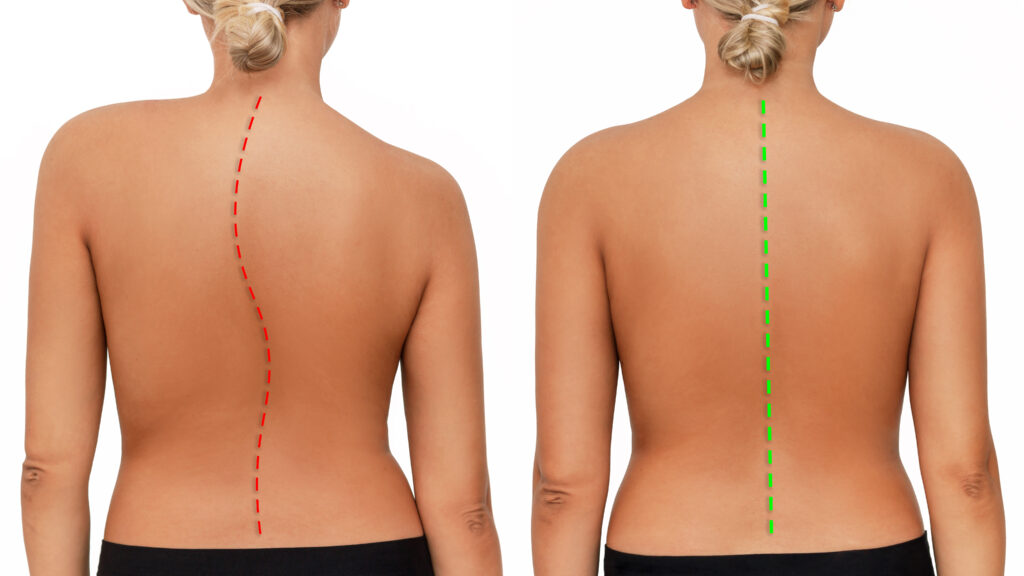
Maintaining proper posture is essential for preventing neck pain and ensuring overall spinal health. When you sit or stand with good posture, your spine aligns correctly, minimizing stress on the neck and surrounding muscles. This alignment helps distribute weight evenly, reducing the risk of strain and injury.
You mightn't realize it, but poor posture can creep into your daily routine, whether you're hunched over a computer or slouching while on your phone. These habits can lead to muscle imbalances and tension, which contribute to neck pain over time. By being mindful of your posture, you can actively combat these issues.
To improve your posture, start by being aware of your alignment throughout the day. Keep your shoulders back, your head level, and your spine straight.
Engaging in exercises that strengthen your core and back muscles can also support better posture. Incorporate stretches to relieve tightness in your neck and shoulders, further promoting a healthy alignment.
Ergonomic Workstation Setup
An ergonomic workstation setup can make a significant difference in reducing neck pain and promoting better posture during your work hours.
By adjusting your workspace, you can create a more comfortable environment that supports your body's natural alignment. Here are some essential tips to take into account:
- Monitor Height: Position your monitor so that the top of the screen is at or slightly below eye level. This prevents you from straining your neck to see the screen.
- Chair Comfort: Use a chair that offers good lumbar support. Your lower back should fit snugly against the chair, encouraging an upright posture.
- Keyboard and Mouse Position: Keep your keyboard and mouse close enough so your elbows remain at a 90-degree angle. This helps reduce strain on your neck and shoulders.
- Feet Flat on the Floor: Make sure your feet are flat on the ground or on a footrest. This promotes proper alignment of your spine and reduces pressure on your neck.
Stretching and Strengthening Exercises
Incorporating stretching and strengthening exercises into your daily routine can greatly enhance posture and alleviate neck pain. When you focus on these exercises, you're not just easing discomfort; you're also building a solid foundation for better alignment.
Start with gentle neck stretches. Try tilting your head to each side to stretch the muscles along the neck. Hold each position for about 15-30 seconds.
Next, perform shoulder rolls to release tension. Roll your shoulders forward and backward ten times each.
For strengthening, focus on your upper back and shoulders. Wall angels are a great option—stand against a wall, keep your arms at a 90-degree angle, and slide them up and down while maintaining contact with the wall. Aim for 10-15 repetitions.
Additionally, incorporate chin tucks into your routine. Sit or stand straight, draw your chin toward your neck, and hold for five seconds. This simple exercise can help correct forward head posture.
Acupuncture and Acupressure
Exploring alternative therapies can lead you to acupuncture and acupressure, both of which have gained popularity for relieving neck pain. These ancient practices focus on balancing the body's energy flow, making them effective options for easing discomfort.
Acupuncture involves inserting thin needles into specific points on your body. This stimulates your nervous system, potentially releasing endorphins and promoting healing. Many people find relief from neck pain after just a few sessions.
On the other hand, acupressure uses finger pressure on the same points without needles, providing a gentle alternative that you can even do at home.
Here are some benefits of incorporating acupuncture and acupressure into your neck pain relief routine:
- Reduces muscle tension: Both methods can alleviate tightness in the neck and shoulders.
- Improves circulation: Enhanced blood flow can help with healing and reduce inflammation.
- Promotes relaxation: These therapies can help lower stress levels, which can contribute to neck pain.
- Enhances overall wellness: By balancing energy, you may notice improvements in your overall health.
Before starting, consult with a licensed practitioner to verify you're a good candidate for these therapies.
Whether you choose acupuncture or acupressure, you could find significant relief from neck pain, allowing you to enjoy a more comfortable, active life. Give one of these methods a try, and you might be pleasantly surprised by the results!
Conclusion
Incorporating natural remedies for neck pain relief can greatly enhance your comfort and well-being. By combining gentle stretches, heat and cold therapy, essential oils, and herbal supplements, you can create a holistic approach to managing pain. Don't underestimate the power of mindfulness and good posture, either. If you're open to exploring acupuncture or acupressure, these techniques can further support your recovery. Remember, listen to your body and choose what feels right for you on your healing journey.