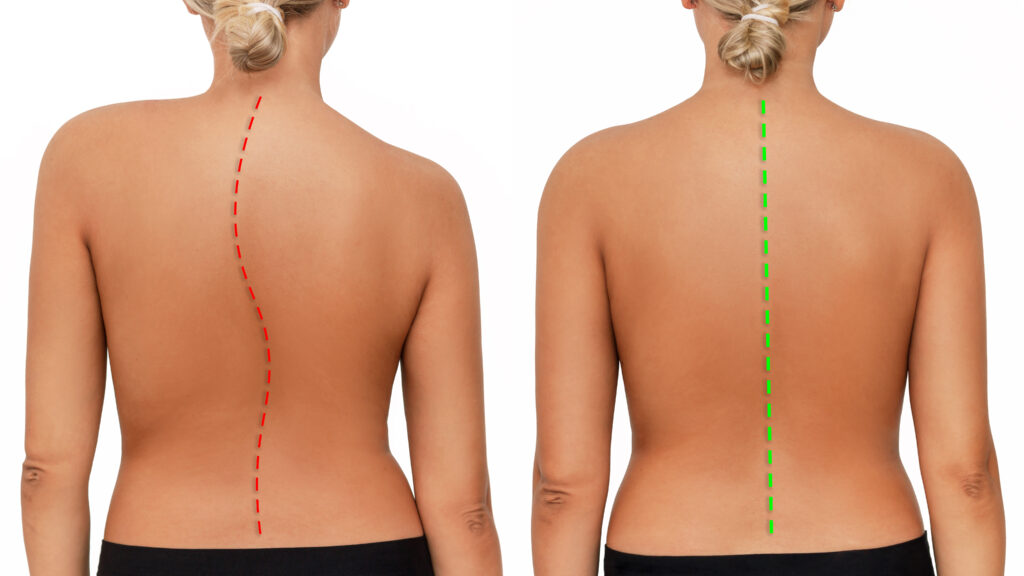
As a local chiropractor, I want to emphasize the importance of safe techniques when caring for infants and toddlers, as this can significantly impact their overall well-being and development. It's crucial to be aware of proper lifting methods to avoid strain on your own body while ensuring the safety of your little ones. Additionally, safe sleeping practices are vital to promote healthy spinal alignment and prevent discomfort.
Childproofing your home is another essential strategy, as it allows your children to explore their environment safely while minimizing the risk of injury. Active supervision is key during this exploration, and knowing how to feed them safely is equally important to prevent choking hazards.
Each of these aspects not only fosters a nurturing atmosphere but also contributes to healthy growth. As parents and caregivers, it's essential to encourage independence in children while maintaining a secure environment. I encourage you to reflect on your home setup: What steps can you take to create a safe space for exploration that promotes both their physical health and freedom? Remember, a well-prepared environment can support their natural development and enhance their overall well-being.
Proper Lifting Techniques
As a local chiropractor dedicated to promoting health and wellness, I want to emphasize the importance of using proper lifting techniques, especially when it comes to handling infants or toddlers. Prioritizing both your safety and that of your little one can significantly reduce the risk of injury and create a secure environment for them.
When lifting a child, it's essential to start by positioning yourself close to them. This minimizes strain on your body and allows for better control. Begin by bending your knees and keeping your back straight as you lower yourself to their level. By adopting this stance, you can engage your leg muscles, which are much stronger than your back muscles, decreasing the likelihood of injury.
When you're ready to lift, place one hand under the child's back and the other under their legs, ensuring your grip is firm yet gentle. It's crucial to support their head and neck, particularly for infants, as these areas are delicate and require extra care.
As you lift, engage your core muscles and rise smoothly, keeping the child close to your body. This technique helps maintain your balance and reduces the risk of dropping them. Always be aware of your surroundings to avoid lifting in tight spaces where you might bump into objects or trip.
If you're lifting from a changing table or crib, ensure that the surface is stable and secure. Never twist your body or reach while holding the child, as this could lead to accidents. Instead, reposition your feet and turn your entire body in the direction you wish to go.
By practicing these proper lifting techniques, you not only protect your own back but also create a safe and enjoyable experience for both you and your child.
Safe Sleeping Practices
As a local chiropractor, I understand the importance of safe sleeping practices for your child, not only for their comfort but also for their overall well-being. Proper positioning during sleep is crucial. It's vital to adhere to crib safety guidelines to ensure your little one is safe and secure while they rest.
Additionally, maintaining a comfortable room temperature can significantly affect the quality of sleep, which in turn supports their growing bodies.
Let's take a closer look at how these aspects contribute to your child's health. By ensuring they sleep on their back in a safe crib environment, you reduce the risk of sleep-related issues and promote optimal spinal alignment.
A well-regulated room temperature helps prevent overheating, which can also impact their sleep quality.
Ideal Sleep Position
As a chiropractor, I often emphasize the importance of proper positioning for overall health and well-being, especially for infants. One of the key recommendations for ensuring your baby's safety during sleep is to place them on their backs. This position significantly reduces the risk of Sudden Infant Death Syndrome (SIDS) and is crucial during the first year of life.
In addition to positioning, there are several other important techniques to ensure your little one sleeps safely and comfortably.
- Opt for a Firm Mattress: It's vital that your infant sleeps on a firm mattress with a fitted sheet. Soft bedding can increase the risk of suffocation, so it's best to keep things simple and safe.
- Keep the Crib Clutter-Free: To further ensure safety, remove any pillows, blankets, or stuffed animals from the crib. These items can be hazardous and shouldn't be within your baby's reach.
- Monitor Room Temperature: Dress your baby in lightweight clothing and maintain a comfortable room temperature. This helps prevent overheating, which is important for safe sleep.
- Promote Tummy Time: While it's essential for your baby to sleep on their back, don't forget to incorporate tummy time while they're awake. This practice not only helps develop their muscles but also reduces the risk of flat spots on their head.
Crib Safety Guidelines
As a chiropractor, I understand the importance of creating a safe and supportive environment for your baby, especially when it comes to their sleep. A well-designed crib not only promotes safety but also contributes to your child's overall health and well-being.
First, it's crucial to choose a crib that adheres to the latest safety standards. Look for a sturdy crib with slats that are no more than 2¾ inches apart to ensure your baby is safe from getting stuck. I advise against cribs with drop sides, as they can pose significant risks to your child's safety.
When you set up the crib, opt for a firm mattress that fits snugly within the crib frame. There should be no gaps between the mattress and the sides of the crib to prevent any potential hazards. Use a fitted sheet that's specifically designed for the size of the mattress, and avoid any extra bedding such as pillows, blankets, or bumpers. This helps minimize the risk of suffocation, which can be critical for your baby's health.
Consider dressing your baby in sleep sacks or wearable blankets rather than using traditional blankets. This method keeps your baby warm and comfortable while reducing the risks associated with loose bedding.
It's also essential to place your baby on their back to sleep, as this position significantly lowers the risk of Sudden Infant Death Syndrome (SIDS), contributing to a more peaceful sleep.
Regularly inspect the crib for any loose or damaged parts, and make repairs as needed to maintain a safe environment. Additionally, position the crib away from windows, cords, and other potential hazards to ensure that your little one has a safe sleeping space.
Room Temperature Control
Ensuring a comfortable room temperature is crucial for your overall well-being, including your baby's safe sleep. An optimal temperature generally falls between 68°F to 72°F (20°C to 22°C).
Keeping this range in mind not only promotes a restful environment but also helps mitigate risks associated with overheating, which has been linked to Sudden Infant Death Syndrome (SIDS).
Here are some helpful suggestions to regulate the room temperature effectively:
- Utilize a thermometer: Position a room thermometer near your baby's crib to gain accurate insights into the temperature.
- Adjust the thermostat: If the room feels too hot or too cold, make the necessary adjustments to your home's heating or cooling system for optimal comfort.
- Dress your baby appropriately: Opt for lightweight sleepwear or a breathable sleep sack, steering clear of heavy blankets or quilts that could cause overheating.
- Ensure proper ventilation: Promote good airflow by slightly opening a window or using a fan, while being mindful to avoid direct drafts on your baby.
As a chiropractor, I understand the importance of a healthy environment for your overall wellness. Maintaining the right room temperature is just one aspect of creating a safe and nurturing space for your family.
Childproofing Your Home
As a chiropractor, I understand that bringing an infant or toddler into your home brings about a whole new level of responsibility, especially concerning their safety and well-being. Creating a safe environment is crucial not just for preventing accidents, but also for promoting a healthy lifestyle that aligns with natural healing principles.
To start, it's important to evaluate each room in your home attentively. Look for potential hazards such as sharp furniture edges, small objects that could be choking hazards, and accessible electrical outlets. Utilizing corner guards can help soften those sharp edges, while ensuring that small items are stored out of reach supports both safety and the natural curiosity of your little one.
Securing your furniture is another key aspect. Heavy pieces like bookshelves and dressers should be anchored to the wall to prevent tipping, which is essential for avoiding injuries. Also, using safety straps or brackets for larger appliances can help create a safer environment. In the kitchen, it's wise to install cabinet locks to keep harmful substances like cleaning supplies stored away securely.
In the living room, consider removing cords from blinds or curtains, as they can pose a strangulation risk. Outlet covers should be used for all unused electrical sockets to ensure that little fingers stay safe. If your home has stairs, installing baby gates at both the top and bottom is vital for preventing falls, which can lead to misalignments or injuries that may require chiropractic care.
Bathrooms also need special attention. Medications and toiletries should be kept locked away, and using non-slip mats in the tub can help prevent slips and falls. In bedrooms, make sure cribs meet safety standards and that bedding is free of pillows and blankets that could pose suffocation risks.
Finally, remember that as your child grows and begins to explore their surroundings, it's essential to revisit your childproofing measures regularly. What's safe today may not be tomorrow, and maintaining a safe environment can help promote overall health and well-being.
Supervision and Monitoring
As a Chiropractor dedicated to promoting holistic health, I want to emphasize the importance of creating a safe environment for our youngest family members.
Just as we ensure that infants and toddlers have designated safe play areas to explore, we should also consider how their physical health is supported through proper alignment and movement.
Constant vigilance in their development is crucial, as it can prevent potential issues later on. By being attentive to their posture and movement patterns, we can help ensure their safety and encourage healthy growth.
Chiropractic care plays a vital role in nurturing their natural development, allowing them to thrive as they explore the world around them.
Constant Vigilance Required
As a local Chiropractor, I want to emphasize the importance of constant vigilance when it comes to your child's safety and well-being, especially in relation to their physical health.
Just like infants and toddlers require close supervision to explore their environment safely, their musculoskeletal system also needs careful attention to prevent injuries.
Here are a few tips to help you keep your child's physical health in check:
- Stay engaged: Always be attentive to your child's movements and activities. This allows you to notice any signs of discomfort or strain that may require chiropractic assessment.
- Limit distractions: When engaging in physical activities, avoid distractions that might lead to accidents. Focusing on your child can help you guide them safely through their explorations.
- Create safe play areas: Just as baby gates are used to keep children in safe zones, ensure that your child's play areas are free from hazards that could lead to falls or injuries. A safe environment supports healthy physical development.
- Establish a routine: Consistent activities and exercises can help your child develop strong muscles and coordination, reducing the risk of injuries. Regular chiropractic check-ups can also ensure their spine and joints are aligned and functioning well.
Designated Safe Play Areas
Creating designated safe play areas is crucial for your child's well-being and overall development. As a chiropractor, I often emphasize the importance of a safe environment to prevent injuries that could lead to musculoskeletal issues later on. These play areas should be free from hazards and filled with age-appropriate toys that promote healthy movement.
When setting up a safe play zone, consider using soft mats or carpets to cushion any falls, which can help reduce the risk of strains or injuries that might affect their spine or joints. It's essential to eliminate sharp objects, choking hazards, and anything that could pose a risk to your child's safety.
Establishing clear boundaries for your child's play area is also vital. This helps them understand where they can explore freely and where they should refrain from going. Using gates or furniture as physical barriers can ensure your little one remains within a secure environment, minimizing the chance of accidents.
While your child is engaged in play, constant supervision is key. Staying nearby allows you to monitor their activities and intervene if they require assistance or if a situation becomes unsafe. Regularly assessing the play area for new hazards is essential since children are naturally curious and resourceful, often finding ways to access objects that could cause harm.
Encouraging your child's independence while maintaining a watchful eye fosters a sense of security as they explore their surroundings. This balance not only supports their emotional development but also contributes to their physical health, preventing potential injuries that could have long-term effects on their spine and overall wellness.
Safe Feeding Methods
Feeding your infant or toddler can be a wonderful bonding experience, but as a chiropractor, I want to emphasize the importance of safety during this time. Just like we focus on proper alignment and wellness in chiropractic care, it's crucial to ensure that mealtimes aren't only enjoyable but also safe for your little one.
Here are some essential safe feeding methods to consider:
1. Choose Age-Appropriate Foods: Just as we tailor our chiropractic treatments to the individual needs of each patient, it's important to offer foods that are suitable for your child's age. For infants, stick to pureed foods that are gentle on their developing digestive systems, and for toddlers, choose soft, bite-sized pieces to avoid choking hazards.
2. Supervise During Meals: In the same way that we monitor our patients' progress, it's essential to keep a close eye on your child while they eat. This allows you to quickly intervene if they start to choke or have difficulty, ensuring their safety first and foremost.
3. Use Proper Feeding Equipment: Just as we recommend using proper ergonomic support for your spine, investing in a safe high chair is vital for your child's feeding safety. Ensure that the high chair meets safety standards, has a secure harness, and is positioned away from hazards.
Using utensils designed for young children also helps facilitate a safer feeding experience.
4. Avoid Distractions: Much like how we encourage mindfulness and focus during chiropractic sessions, minimizing distractions during mealtime is crucial. Turn off screens and keep toys out of reach to help your child concentrate on eating.
This not only promotes healthier eating habits but also allows you to closely monitor their safety.
Encouraging Safe Exploration
As your child grows and begins to explore their surroundings, it's essential to support their safe exploration in a way that promotes their overall well-being, including their physical health. This developmental phase is crucial for their growth, as it helps them learn about the world and build confidence, which can also have a positive impact on their spine and nervous system.
To promote safe exploration, start by creating a secure environment. Remove any hazardous items within reach, and use safety gates to restrict access to potentially dangerous areas. A safe space not only protects your child but also allows them to move freely and develop their motor skills, which is vital for their physical development.
Encourage your little one to explore by providing a variety of safe toys and materials that stimulate their senses. Soft blocks, textured toys, and age-appropriate puzzles can engage their curiosity without posing risks. As a chiropractor, I understand the importance of proper movement; therefore, supervising their playtime closely while allowing them the freedom to navigate their space helps them learn boundaries and promotes healthy physical development.
When your child shows interest in something new, like a box or a plant, let them investigate—provided it's safe. Respond positively to their curiosity, as this reinforces their desire to explore. If they encounter something potentially dangerous, guide them calmly towards safer alternatives, explaining why certain items aren't suitable for play. This approach fosters a sense of security and helps your child understand their environment better.
Lastly, engage in exploratory activities together. Go for nature walks, visit parks, or create a sensory play area at home. These experiences not only promote safe exploration but also strengthen your bond.
As a chiropractor, I believe that connecting with nature and engaging in physical activities can help enhance your child's overall health and well-being. By supporting their curiosity in a safe manner, you're helping your child build confidence, learn about their environment, and promote a healthy spine and nervous system as they grow.
Conclusion
As a local chiropractor, I want to emphasize the importance of keeping infants and toddlers safe through mindful practices that support their overall well-being. First and foremost, proper lifting techniques are essential when handling young children. Always bend at the knees and keep your back straight to avoid unnecessary strain, which can lead to discomfort or injury.
Vigilant supervision is crucial, as infants and toddlers are naturally curious and eager to explore their surroundings. Creating a childproofed environment minimizes risks and allows for safe exploration. Additionally, establishing safe sleeping habits is vital for their development; ensure that they have a safe sleep space free from potential hazards.
When it comes to feeding methods, using ergonomic positions can make a significant difference in both your comfort and your child's. Encouraging exploration within safe limits not only supports their physical development but also fosters their natural curiosity.
Remember, your attentiveness and proactive measures are key to creating a secure environment for your little ones to grow and thrive. By staying informed about safe practices, you can prioritize their safety as they navigate their exciting world, all while promoting the principles of natural healing and chiropractic care.