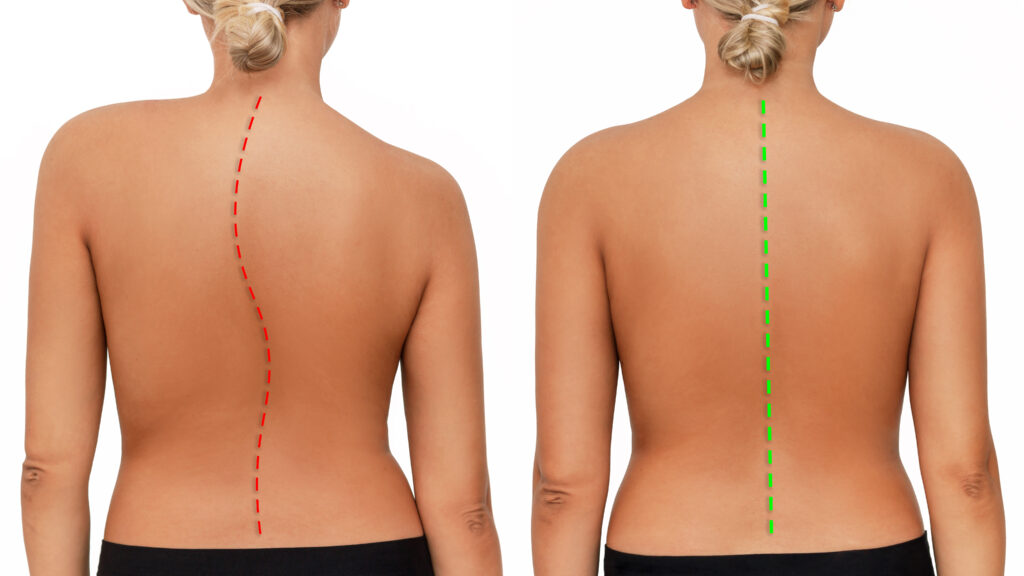
As a local chiropractor, I want to share some valuable insights on recovering from sports injuries. Understanding the various recovery techniques available can make a significant difference in your healing journey. While many people think of physical therapy, I encourage you to explore chiropractic care as a natural and effective approach to recovery.
Chiropractic treatment focuses on aligning the spine and joints, which can improve your overall function and speed up healing. Techniques such as adjustments, soft tissue therapy, and rehabilitation exercises can help restore mobility and reduce pain. Additionally, I often recommend incorporating strength training and proper nutrition into your routine. Not only do these practices aid in recovery, but they also play a crucial role in preventing future injuries.
It's also important to consider the mental aspect of recovery. Developing mental resilience and practicing mindfulness can enhance your healing experience. By addressing both the physical and mental components of your recovery, you may find a more comprehensive approach that leads to lasting results. Let's work together to create a personalized recovery plan that incorporates these natural healing methods.
Physical Therapy
When recovering from a sports injury, chiropractic care can be a transformative approach to getting you back to your favorite activities. It's not just about recovery; it's about enhancing your body's natural healing processes to ensure you return to your sport not only healed but also stronger and more resilient.
A knowledgeable chiropractor will assess your unique condition and develop a personalized treatment plan that addresses your injury while also considering your overall physical performance.
During your sessions, you may experience a variety of techniques aimed at restoring proper alignment, strength, flexibility, and range of motion. This can include spinal adjustments, soft tissue therapy, and therapeutic exercises designed to promote healing and prevent further injury.
Your chiropractor will teach you how to move correctly and avoid compensatory patterns that could lead to additional problems later on.
Additionally, chiropractic care often utilizes natural healing modalities, such as ice, heat, and ultrasound, to alleviate pain and reduce inflammation. These treatments can be particularly beneficial during the initial stages of recovery, helping you regain comfort and mobility more effectively.
As you progress in your recovery, your chiropractor will modify your treatment plan to ensure you remain challenged while still prioritizing safety. Open communication is vital, so don't hesitate to voice any concerns you may have.
The ultimate goal is to get you back to the field or court, but it's crucial to approach this journey safely and effectively. Embrace the healing process, and before you know it, you'll be back to doing what you love, free from injury.
Strength Training
As your local chiropractor, I want to emphasize the importance of strength training in your recovery journey after we've addressed your immediate needs through chiropractic care.
Strength training plays a crucial role in rebuilding your muscles and enhancing your overall stability, which is vital for preventing future injuries. It not only helps you regain your athletic performance but also prepares your body to meet the demands of your chosen sport.
When you begin to integrate strength training into your recovery routine, keep these key principles in mind:
- Emphasize Core Strength: A robust core is fundamental for stabilizing your entire body, significantly lowering your risk of re-injury.
- Utilize Functional Movements: Incorporating exercises that closely resemble the movements you perform in your sport can boost your performance and help avert potential issues down the line.
- Balance and Flexibility Matter: These aspects are just as important as strength. They support your overall fitness and contribute to injury prevention.
- Gradual Progression is Key: Start with lighter weights to allow your body to adapt, and gradually increase the intensity. This method helps avoid overloading your muscles too quickly, which can lead to setbacks.
- Tune in to Your Body: It's essential to listen to how you feel during your workouts. If something seems off, make adjustments to your routine to ensure you don't hinder your progress.
By understanding these elements of strength training, you can better support your recovery and enhance your overall health and well-being.
Let's work together to create a personalized plan that meets your individual needs!
Cryotherapy
As your local chiropractor, I want to introduce you to an exciting treatment option that can significantly enhance your recovery routine: cryotherapy.
This natural healing technique offers a variety of benefits, including reducing inflammation and accelerating your healing process.
By utilizing different application methods, we can tailor cryotherapy to meet your unique needs and help you on your journey to wellness.
Let's dive deeper into how these techniques can support your recovery and improve your overall health.
Benefits of Cryotherapy
As a local chiropractor dedicated to promoting natural healing and recovery, I want to introduce you to one of the most effective methods we use to help athletes and active individuals recover from sports injuries: cryotherapy. This technique involves exposing the body to extremely cold temperatures for a brief period, and it offers a range of benefits that can significantly enhance your recovery process.
When you experience cryotherapy, your body reacts by reducing inflammation and swelling, which is particularly beneficial following intense workouts or injuries. This natural method not only helps alleviate physical discomfort but can also uplift your mood and energy levels, keeping you motivated throughout your recovery journey.
Here are some key benefits of cryotherapy that you may experience:
- Pain Relief: The cold exposure effectively numbs pain receptors, providing relief from discomfort.
- Improved Circulation: As your body warms up post-treatment, blood flow increases, which promotes healing and recovery.
- Faster Recovery: By reducing muscle soreness, cryotherapy allows you to return to your activities more quickly.
- Enhanced Performance: Regular cryotherapy sessions can contribute to improved overall athletic performance.
- Stress Reduction: The cold exposure can lower cortisol levels, helping you feel more relaxed and balanced.
Incorporating cryotherapy into your recovery routine could be the transformative approach you need to enhance your healing process.
As your chiropractor, I encourage you to explore this natural treatment option to support your journey towards optimal health and performance.
Application Techniques
As your local chiropractor, I want to share some valuable insights about cryotherapy and how understanding the application techniques can significantly enhance your recovery journey.
It's essential to choose the right method based on your specific injury. Depending on the severity and location, you might opt for whole-body cryotherapy, localized cryotherapy, or simply using ice packs.
For localized treatments, I recommend wrapping an ice pack in a towel and applying it directly to the affected area. Keep the ice pack on for about 15-20 minutes, allowing breaks in between to prevent any skin damage.
If you're considering whole-body cryotherapy, you'd enter a cryo chamber for the recommended duration, typically around 2-4 minutes. Be sure to wear suitable clothing to protect your extremities during the session.
It's crucial to listen to your body. If you experience excessive discomfort or pain, it's important to stop the treatment immediately.
After your cryotherapy session, take a moment to gently warm your skin back up. This step is beneficial as it helps improve circulation and supports your recovery. Additionally, remember to stay well-hydrated, as proper hydration plays a key role in the healing process.
By mastering these cryotherapy application techniques, you can maximize its benefits and improve your overall recovery.
As always, I'm here to guide you through your healing journey and help you understand how natural methods can support your well-being.
Recovery Time Reduction
As a local chiropractor dedicated to helping you achieve optimal health and wellness, I want to share with you the benefits of integrating cryotherapy into your recovery routine, especially if you're an athlete or someone recovering from an injury.
This innovative treatment exposes your body to extremely cold temperatures for a brief period, which can be incredibly effective in reducing recovery time.
Cryotherapy works by constricting blood vessels, which helps decrease inflammation and swelling in injured areas. This process not only alleviates pain but also promotes faster healing, allowing you to get back to your activities sooner.
Here are some key benefits of cryotherapy that you might experience:
- Reduced Inflammation: The cold exposure minimizes swelling in the affected areas, promoting a quicker response to injuries.
- Pain Relief: The numbing effect of the cold can provide immediate relief after an injury, helping you feel more comfortable.
- Enhanced Recovery: Many athletes report feeling revitalized and ready to resume training faster than they expected.
- Improved Circulation: As your body warms back up post-treatment, blood flow increases, which is essential for healing.
- Mental Boost: The invigorating sensation of cryotherapy can elevate your mood and energy levels, giving you a positive mindset during your recovery.
If you're curious about how cryotherapy can fit into your recovery plan, I encourage you to consult with a healthcare professional.
As your chiropractor, I can help guide you through various natural healing techniques, including cryotherapy, to enhance your overall recovery process.
Together, we can work towards getting you back to your sport and enjoying life sooner than you think!
Kinesiology Taping
As a local chiropractor, I want to introduce you to an effective technique known as kinesiology taping, which is often utilized by athletes and therapists alike to support injured muscles and joints while allowing for a full range of motion.
This method involves the application of elastic therapeutic tape to specific areas of your body, which helps to lift the skin slightly. This action promotes blood flow and reduces swelling in the injured area, aiding in your recovery process.
You may be curious about how kinesiology tape works. The tape's elasticity closely mimics your skin's natural movement, providing necessary support without limiting your motion. This means you can continue participating in your favorite activities or sports while you heal.
Additionally, kinesiology tape can enhance proprioception—your body's ability to sense its position and movement—making you more aware of your body and reducing the risk of reinjury.
While applying kinesiology tape can be relatively straightforward, I highly recommend having it done by a trained professional, such as myself, who understands the anatomy and mechanics of the body.
I can customize the taping technique to fit your specific injury and individual needs. Beyond the physical benefits, many of my patients report feeling more confident and secure while wearing the tape, which can greatly enhance their overall recovery experience.
If you're interested in exploring this natural healing method, I'm here to guide you through it!
Nutrition and Hydration
As your local chiropractor, I want to emphasize the crucial role that proper nutrition and hydration play in your recovery from sports injuries. When you're healing, your body requires specific nutrients to repair tissues and regain strength.
Equally important is hydration, which aids in the transportation of these nutrients and the elimination of waste products. Without adequate hydration, your recovery process may slow down significantly.
It's essential to focus on a balanced diet that's rich in vitamins, minerals, and macronutrients to support your healing journey. Here are some key dietary components that can enhance your recovery:
- Protein: This nutrient is vital for rebuilding muscle and repairing tissues. Make sure to include sources like lean meats, fish, eggs, and legumes in your meals.
- Omega-3 Fatty Acids: These healthy fats help reduce inflammation, an important factor in recovery. You can find omega-3s in fatty fish, flaxseeds, and walnuts.
- Antioxidants: These powerful compounds help combat oxidative stress and promote healing. Incorporate a variety of colorful fruits and vegetables, such as berries, spinach, and carrots, into your diet.
- Whole Grains: They provide the energy and essential nutrients your body needs. Opt for whole grains like brown rice, quinoa, and whole-grain bread to fuel your recovery.
- Hydration: It's vital to aim for adequate fluid intake, particularly water. Staying well-hydrated can enhance joint lubrication and support all bodily functions, which is crucial during your recovery process.
By understanding the importance of nutrition and hydration, you can take proactive steps to support your healing and enhance the benefits of chiropractic care.
Mindfulness and Mental Health
As a local chiropractor, I want to emphasize the importance of your mental state during recovery from a sports injury. Your mindset can significantly influence your healing process.
Techniques such as visualization and stress management aren't just for athletes; they can enhance anyone's recovery journey. By incorporating these strategies, you can improve your mental resilience, allowing you to stay focused and maintain a positive outlook.
Let's dive into how these natural healing methods can support your recovery and overall well-being.
Mental Resilience Techniques
In the realm of sports recovery, mental resilience is just as crucial as physical healing, and as a local chiropractor, I want to emphasize the importance of your mental state during this process.
Recovery from injuries involves more than just addressing the physical aspects; your mindset can significantly impact how well and how quickly you recover. By cultivating mental resilience, you can navigate the challenges of being sidelined and emerge even stronger.
Here are some effective techniques to enhance your mental resilience during your recovery journey:
- Practice Mindfulness: By focusing on the present moment, you can alleviate anxiety and improve your emotional well-being. Mindfulness techniques can help you stay centered during this time of healing.
- Set Realistic Goals: It's important to break your recovery down into smaller, attainable milestones. This approach can keep you motivated and provide a sense of accomplishment as you progress.
- Stay Connected: Engaging with teammates, friends, or family can provide the support and encouragement you need. Social connections are vital for mental health, especially when you're going through recovery.
- Maintain a Positive Attitude: Working on a positive mindset can make a significant difference. Concentrate on what you can control, and don't forget to celebrate the small victories along the way.
- Journaling: Taking the time to write about your feelings and experiences during recovery can be incredibly beneficial. It helps you process your emotions and track your progress, allowing for greater self-reflection.
As your chiropractor, I'm here to support you not only in your physical recovery but also in fostering the mental resilience that will aid your healing process.
Together, we can work towards a holistic approach that encompasses both your physical and mental well-being.
Visualization for Recovery
As your local chiropractor, I want to introduce you to a powerful tool that can support your recovery journey: visualization. This practice involves creating a mental image of yourself fully healed and performing at your best, and it can significantly enhance your healing process.
When you visualize, you're not just daydreaming; you're actively engaging your mind to foster new neural pathways that promote healing. Picture yourself participating in your favorite sport or activity—feeling strong, agile, and free from pain. By consistently visualizing this scenario, you reinforce positive thoughts and beliefs about your recovery, which can lead to better outcomes.
To make the most of this technique, it's important to engage all your senses. Imagine the sounds of the environment, the smells of the field or gym, and the sensations in your body as you move effortlessly. This multisensory approach makes your visualization more vivid and impactful.
Incorporating visualization into your daily routine is straightforward. All you need is a few quiet minutes each day to relax and focus on your mental imagery. You might find it beneficial to pair this practice with deep breathing exercises, which can further enhance your concentration and calm your mind.
Moreover, visualization can serve as a valuable tool for reducing anxiety related to your injury and the recovery process. By envisioning your success and progress, you cultivate a resilient mindset that's essential for healing.
Remember, your mental state is closely linked to your physical recovery, so harness the power of your mind wisely!
If you have any questions about how chiropractic care can complement your visualization practice and support your healing journey, feel free to reach out. Together, we can work towards your optimal recovery!
Stress Management Strategies
As a local chiropractor dedicated to promoting natural healing, I want to share with you the importance of stress management in your recovery process, especially if you're healing from a sports injury.
Many people don't realize that stress can significantly hinder your body's ability to recover. That's why it's crucial to prioritize your mental health alongside physical treatment.
Here are some effective stress management strategies that I recommend incorporating into your daily routine:
- Mindfulness Meditation: Take a few minutes each day to focus on your breath and stay present. This practice can help calm your mind and reduce anxiety, allowing your body to heal more effectively.
- Progressive Muscle Relaxation: This technique involves tensing and then relaxing different muscle groups. It's an excellent way to release physical tension accumulated in your body, promoting overall relaxation.
- Journaling: Writing down your thoughts and feelings can be incredibly therapeutic. It helps clarify your mindset and can alleviate stress, making it easier for you to focus on your recovery.
- Positive Affirmations: Start your day with positive affirmations to cultivate a hopeful perspective. Reminding yourself of your strengths can enhance your confidence and motivation during your healing journey.
- Support Network: Don't hesitate to reach out to friends, family, or even a therapist. Sharing your feelings and experiences can provide invaluable emotional support, helping you feel less isolated as you navigate your recovery.
Incorporating these strategies into your life can significantly enhance your mental resilience, contributing to a smoother and more effective recovery process.
Conclusion
As your local chiropractor, I want to share some valuable techniques that can significantly enhance your recovery from sports injuries. Incorporating physical therapy and strength training into your routine is crucial; these methods help rebuild your body and restore function. Additionally, treatments like cryotherapy and kinesiology taping can effectively manage inflammation and support your muscles during healing.
It's also important to pay attention to your nutrition and hydration—these elements are essential for tissue repair and overall recovery. Don't overlook the benefits of mindfulness practices as well; they can improve your mental resilience, keeping you focused and motivated throughout your healing journey.
By integrating these holistic approaches into your recovery plan, you'll not only expedite your healing but also set the stage for improved performance in your sport. As your chiropractor, I am here to guide you through these techniques and help you achieve a full recovery.