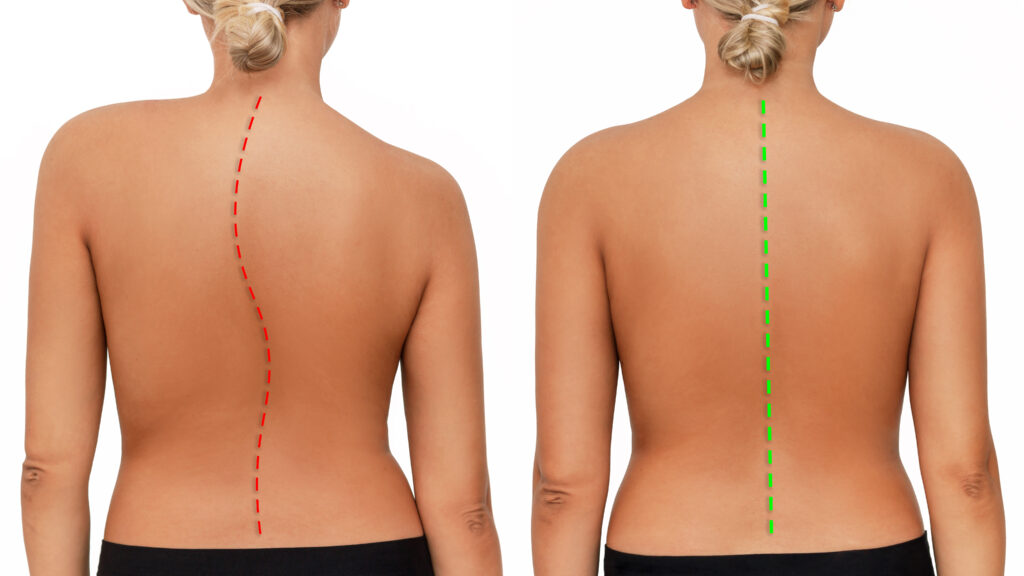
When it comes to recovering from a sports injury, it's important to consider how chiropractic care can play a vital role in your healing journey. As a local chiropractor, I want to emphasize the significance of making adjustments that align with your individual recovery needs. Personalized rehabilitation not only accelerates your healing process but also serves as a preventive measure against future injuries.
By incorporating chiropractic adjustments into your recovery plan, we can address misalignments and improve your body's overall function. This not only helps you maintain your fitness levels but also enhances your body's ability to heal. Additionally, we can work together to modify your training regimen and introduce targeted rehabilitation exercises that support your recovery.
The key question is: how can these tailored strategies not only facilitate your recovery but also elevate your athletic performance in the long run? Let's discuss the changes you can implement to ensure you return to your sport not just healed, but stronger and more resilient than before. Your journey to recovery can be a transformative experience with the right support and guidance.
Understanding Sports Injuries
As a local chiropractor, I want to help you understand sports injuries and how we can work together to prevent and recover from them naturally. Sports injuries can affect anyone, from those who enjoy weekend activities to experienced athletes. It's crucial to grasp the various types of injuries you might encounter, as this knowledge can aid in both prevention and healing.
Common injuries include sprains, strains, fractures, and overuse injuries. Sprains and strains occur when ligaments or muscles are twisted or pulled beyond their natural limits. Fractures involve a break in the bone, which is more serious and requires prompt care. These injuries can be painful and disruptive, but with the right approach, we can manage them effectively.
Overuse injuries, such as tendonitis or stress fractures, develop gradually from repetitive motions often seen in activities like running or swimming. They can sneak up on you, so it's essential to listen to your body and be aware of any persistent pain or discomfort. Addressing these issues early can prevent them from escalating into more significant problems.
Biomechanics plays a crucial role in sports injuries. Using improper techniques or equipment can lead to injuries that could otherwise be avoided. I encourage you to evaluate your form and ensure that your gear is suitable for your specific sport. If you're uncertain, I can work with you to identify areas of improvement and recommend exercises or adjustments.
Additionally, never underestimate the importance of warm-up and cool-down routines. These practices help prepare your muscles for activity and assist in recovery afterward. As your chiropractor, I can guide you through effective warm-up and cool-down techniques tailored to your needs.
Importance of Personalized Recovery
As a local chiropractor, I want to emphasize that understanding your injury is just the beginning of your healing journey. The real transformation occurs with personalized recovery tailored specifically to your needs. Every injury is unique, just like your body's healing response, and a generic approach simply won't suffice. By customizing your recovery plan, you significantly increase your chances of returning to your sport even stronger and more resilient.
It's essential to consider various factors that influence your recovery, including your lifestyle, fitness level, and mental state. Personalized recovery takes all of these elements into account, ensuring that your rehabilitation plan is designed specifically for you. This means we'll adjust exercises, timelines, and rest periods in accordance with your individual healing process.
It's important not to rush through recovery or adhere to a one-size-fits-all plan, as this can lead to setbacks or even re-injury—something we definitely want to avoid.
In addition to physical rehabilitation, personalized recovery involves fostering your mental well-being. Engaging with a chiropractor who understands your unique challenges can provide the support and motivation you need during this time. We'll work together to navigate the emotional ups and downs that often accompany recovery, equipping you with the tools to cope with any frustration or setbacks.
Ultimately, personalized recovery empowers you to take control of your healing journey. It allows you to make informed decisions that suit your individual circumstances. When you invest in a recovery plan designed specifically for you, you're not just healing; you're laying the groundwork for long-term success in your sport and overall well-being.
Embrace this opportunity for natural healing; it's a vital step towards a healthier, more active life.
Role of Nutrition in Healing
As you embark on your healing journey, it's important to recognize the vital role that nutrition plays in the recovery process. What you choose to eat can significantly influence how swiftly and effectively your body heals from injuries. Proper nutrition equips your body with the essential nutrients needed to repair damaged tissues, diminish inflammation, and enhance overall wellness.
Start by prioritizing protein in your meals. Protein acts as the foundation for muscle and tissue recovery, making it crucial during healing. Incorporate sources like lean meats, fish, eggs, dairy, legumes, and nuts into your diet. It's essential to balance your protein intake to meet the heightened demands of your body as it recovers.
Next, don't underestimate the importance of carbohydrates. They serve as your body's main energy source, which is critical for supporting your recovery efforts. Opt for complex carbohydrates, such as whole grains, fruits, and vegetables, as they provide sustained energy and are packed with vital vitamins and minerals.
Healthy fats should also be part of your recovery plan. Include foods like avocados, olive oil, and fatty fish in your diet to help reduce inflammation and promote cellular health.
Remember, hydration is key as well; staying well-hydrated is crucial for nutrient transport and maintaining optimal joint function.
In addition, consider integrating anti-inflammatory foods into your meals. Foods like berries, leafy greens, and turmeric can help minimize swelling and support the healing process.
Lastly, if you're uncertain about the best dietary choices for your recovery, feel free to reach out to a nutritionist or dietitian who specializes in natural healing and wellness. They can create a personalized meal plan tailored to your specific needs, ensuring you're well-fueled for a successful recovery.
As your chiropractor, I'm here to support you in your healing journey, both through adjustments and by emphasizing the importance of nutrition in your overall health.
Adjustments in Training Regimens
As a local chiropractor, I want to share some important insights on how to optimize your recovery after a sports injury. It's crucial to understand that pushing through your usual training routine can often lead to more harm than good. Instead, I encourage you to listen to your body and make the necessary adjustments to your workouts to avoid putting undue stress on the injured area.
Firstly, consider reducing the intensity and volume of your training. This doesn't mean you have to stop being active; rather, it's about focusing on lower-impact activities that can help you maintain your fitness without exacerbating your injury. For instance, if you're dealing with a lower limb injury, activities like swimming or cycling might be more suitable alternatives to running. These options allow you to stay engaged in physical activity while giving your body the opportunity to heal.
In addition, incorporating rehabilitation exercises into your routine is essential. These targeted exercises, often recommended by healthcare professionals, aim to strengthen the injured area and the surrounding muscles, which can enhance your recovery and help prevent future injuries. It's important to introduce these movements gradually and pay attention to how your body responds.
Don't overlook the significance of flexibility and mobility work during your recovery process. Stretching and mobility drills can help you maintain your range of motion, which is vital for a successful recovery.
Lastly, it's important to maintain open communication with your healthcare provider or coach. They can offer valuable insights and help adjust your recovery plan based on your progress.
Long-term Benefits of Tailored Strategies
As a local chiropractor, I want to help you understand the long-term benefits of tailored strategies for injury recovery.
These personalized approaches not only support your healing process but also significantly enhance your overall athletic performance. When we focus on a recovery plan that's specifically designed for your unique needs, you can be assured that your body won't only recover but also become stronger and more resilient.
Here are four key benefits you can expect from this approach:
- Improved Mobility: Customized recovery plans often include specific exercises that improve your flexibility and range of motion. This targeted focus can help you regain your previous performance levels more effectively.
- Reduced Recurrence of Injury: By adapting your training to focus on your individual weaknesses and needs, you can significantly lower the risk of re-injury. This proactive approach allows you to train harder and longer without the fear of setbacks, which is crucial for any athlete.
- Enhanced Strength: A tailored recovery strategy typically incorporates strength-building exercises that target the injured area as well as the surrounding muscle groups. This not only aids in your recovery but also boosts your overall power, giving you an advantage in your sport.
- Mental Resilience: Engaging in a personalized recovery process cultivates a positive mindset. Actively participating in your healing journey can enhance your confidence in your abilities and fortify your mental approach to future challenges.
Conclusion
As a local chiropractor, I want to emphasize the importance of making adjustments during your recovery from sports injuries. It's crucial to create a personalized plan that addresses your specific injury while also keeping your motivation high. Tailoring your rehabilitation process with focused training regimens and proper nutrition can significantly enhance your healing journey.
Remember, these adjustments are not just about getting you back on the field; they lay the groundwork for long-term success in your sport. By incorporating chiropractic care into your recovery, we can help improve your overall health and performance. Embrace this journey with us, and together, we'll ensure you come back stronger than ever.