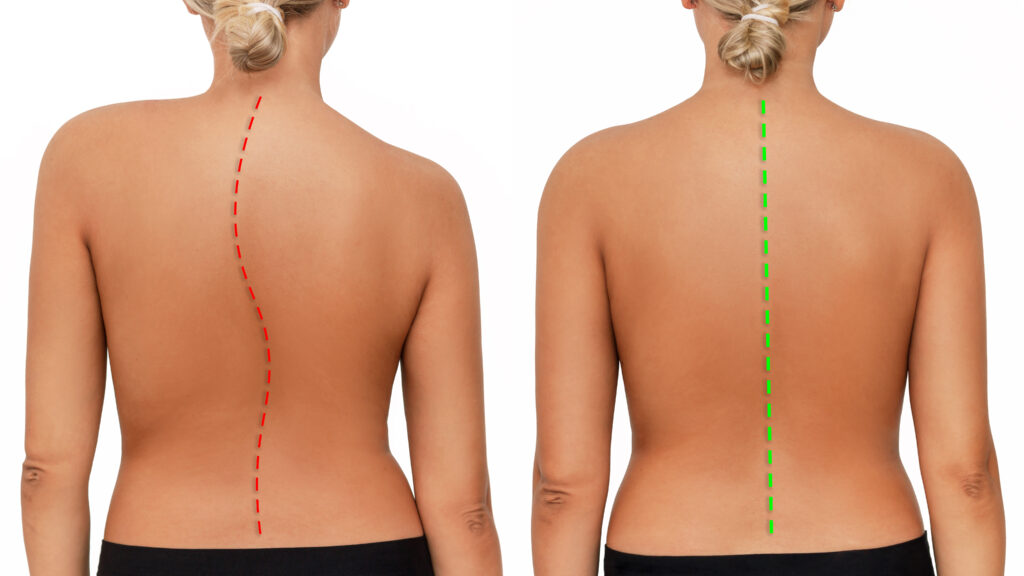
You might think that standard healthcare is sufficient, but why settle for something that doesn't cater to your specific needs? Personalized care goes beyond one-size-fits-all approaches, embracing your unique medical history and lifestyle. This tailored approach not only improves health outcomes but also engages you in your own treatment process. As technology evolves, the potential for a more individualized experience grows. But what does this mean for your health journey? Let's explore the transformative power of personalized care and its implications for your well-being.
Understanding Personalized Care
When it comes to understanding personalized care, it's crucial to recognize how it tailors healthcare to meet your unique needs. This approach isn't just about treating symptoms; it's about seeing you as a whole person. Your medical history, lifestyle, and even genetic factors all play a role in crafting a healthcare plan that fits you.
Personalized care starts with a thorough assessment. You'll share your concerns, preferences, and any barriers you face in managing your health. This dialogue isn't a one-time event; it's an ongoing conversation that evolves as your needs change. Your healthcare provider actively listens and adapts, ensuring that the treatment plan aligns with what matters most to you.
Moreover, technology plays a significant role in personalizing care. Tools like health apps and wearable devices can track your progress and provide real-time feedback. This data allows your healthcare team to make informed decisions quickly, adjusting your treatment as necessary. You won't just be a number in a system; instead, you'll have a customized approach that respects your individuality.
Finally, personalized care extends beyond medical treatment. It includes support systems that cater to your emotional and psychological well-being. Whether it's connecting you with support groups or offering counseling services, the focus remains on your overall health.
Benefits of Tailored Treatment
Tailored treatment offers numerous advantages that can greatly enhance your healthcare experience. When your care is customized to fit your unique needs, you're more likely to see effective results. Instead of following a one-size-fits-all approach, tailored treatment focuses on your individual circumstances, including your medical history, lifestyle, and personal preferences.
One major benefit of tailored treatment is improved efficacy. By using targeted therapies and personalized strategies, healthcare providers can address the root causes of your health issues, rather than just managing symptoms. This can lead to faster recovery times and better overall health outcomes.
Another advantage is that tailored treatment can help you feel more engaged in your healthcare journey. When your treatment plan reflects your goals, you're more likely to stick with it. This sense of ownership not only boosts your motivation but also enhances your understanding of your health. You're empowered to ask questions and actively participate in decision-making.
Additionally, tailored treatment can reduce the risk of adverse effects. Generic treatments often come with a range of side effects that may not be suitable for everyone. By customizing your care, healthcare providers can minimize potential risks and choose the safest options for you.
Lastly, tailored treatment can lead to better communication between you and your healthcare team. With a personalized approach, providers tend to take the time to listen and understand your concerns, fostering a strong therapeutic relationship that's crucial for successful care.
Embracing tailored treatment means prioritizing your health in a way that truly works for you.
Enhancing Patient Satisfaction
Patient satisfaction is an essential aspect of healthcare that can greatly impact your overall experience and outcomes. When you receive personalized care, you're not just another patient on a chart; you're a unique individual with specific needs and concerns. This tailored approach can markedly enhance your satisfaction levels.
One key factor in enhancing patient satisfaction is effective communication. When healthcare providers take the time to listen to your symptoms, worries, and preferences, you're more likely to feel valued and understood. This open dialogue fosters trust, making you more comfortable discussing sensitive issues, which can lead to better diagnoses and treatment plans.
Another important aspect is the involvement of patients in their care decisions. When you're included in the decision-making process, it empowers you and makes you feel more in control. You can express your wants and needs, ensuring that your treatment aligns with your lifestyle and values. This not only boosts satisfaction but also often leads to better adherence to treatment plans.
Moreover, personalized care can lead to quicker resolutions of health issues. When healthcare providers understand your unique situation, they can tailor interventions that fit you best, reducing the time it takes to find effective solutions.
Ultimately, enhancing your satisfaction in healthcare isn't just about feeling good; it's about achieving better health outcomes. By receiving care that acknowledges your individuality, you're more likely to engage actively in your health journey and achieve the results you desire.
Importance of Individual Preferences
When it comes to your care, your unique needs really matter.
Tailoring approaches to fit your preferences can greatly enhance your outcomes.
Unique Needs Matter
Every individual has unique needs that greatly shape their care experience. When you think about your own preferences and requirements, it becomes clear how vital it's for care providers to recognize these differences. You deserve a care approach that respects your specific situation, whether it's related to your medical history, lifestyle, or personal values.
Understanding your unique needs allows healthcare professionals to tailor their services in a way that resonates with you. It's not just about treating symptoms; it's about understanding your goals, fears, and desires.
When care is personalized, it empowers you to be an active participant in your health journey, fostering a sense of ownership and responsibility.
Moreover, when your individual preferences are acknowledged, you're more likely to feel comfortable and engaged in the care process. This connection can lead to better communication with your providers and a more satisfying overall experience.
Ultimately, recognizing and addressing your unique needs guarantees that you receive care that aligns with who you are, making a significant difference in your health outcomes and overall well-being. You shouldn't have to settle for anything less than a personalized approach.
Tailored Approaches Enhance Outcomes
Recognizing and addressing individual preferences in care leads to considerably better health outcomes. When you tailor your healthcare approach to fit your unique needs, you're more likely to engage in your treatment and make informed decisions that positively impact your health.
Here's how personalized care enhances outcomes:
- Increased Engagement: When you feel your preferences are valued, you're more likely to participate actively in your care. This engagement can result in better adherence to treatment plans and healthier lifestyle choices.
- Improved Satisfaction: Tailoring care to your individual desires and concerns fosters a sense of satisfaction. When you're happy with your care, you're more inclined to maintain ongoing relationships with your healthcare providers.
- Better Communication: Personalized care encourages open dialogue between you and your provider. This communication guarantees that your concerns are heard and addressed, leading to more effective and relevant treatment options.
Holistic Health Approaches
When it comes to holistic health approaches, you'll find that individualized treatment plans can greatly enhance your well-being.
By recognizing the mind-body connection, you can access new pathways to health that go beyond traditional methods.
Additionally, integrating nutrition and wellness strategies into your routine can support a more balanced and vibrant life.
Individualized Treatment Plans
Creating individualized treatment plans is essential for effective holistic health approaches. When you tailor your care to fit your unique needs, you're more likely to see positive outcomes.
Generic treatments can overlook vital aspects of your health, but personalized plans consider your physical, emotional, and social well-being.
To create an individualized treatment plan, start by evaluating these key factors:
- Health History: Understand your medical background, including past illnesses, surgeries, and family history. This gives insight into your current health.
- Lifestyle Factors: Assess your daily habits, such as diet, exercise, and sleep patterns. These elements play a significant role in your overall health and can guide your treatment.
- Personal Goals: Identify what you want to achieve with your health. Whether it's managing stress, improving fitness, or addressing specific health concerns, your goals should drive your treatment plan.
Mind-Body Connection
The mind-body connection plays an essential role in holistic health approaches, emphasizing how your mental and emotional states can directly influence your physical well-being. When you experience stress, anxiety, or negative emotions, you might notice physical symptoms like tension headaches or digestive issues. Recognizing this link allows you to take charge of your health more effectively.
Practicing mindfulness techniques, such as meditation or deep breathing, can help you cultivate a sense of calm and reduce stress. By tuning into your thoughts and feelings, you can better understand how they impact your body. For instance, if you're feeling overwhelmed, acknowledging those feelings can lead to proactive steps that promote healing.
Additionally, incorporating activities like yoga or tai chi can improve both your mental and physical health. These practices not only enhance flexibility and strength but also foster a deeper connection between your mind and body.
Ultimately, embracing the mind-body connection encourages you to prioritize your emotional well-being as part of your overall health. By doing so, you're more likely to experience a balanced, fulfilling life that supports your physical health goals.
Nutrition and Wellness Strategies
Understanding the mind-body connection naturally leads to exploring how nutrition plays an essential role in your overall wellness. Your body requires a variety of nutrients to function effectively, and the choices you make can greatly impact your physical and mental health.
By personalizing your nutrition, you can enhance your well-being and feel your best.
Here are three strategies to help you personalize your nutrition and wellness approach:
- Know Your Body: Pay attention to how different foods affect your energy levels, mood, and digestion. Keeping a food diary can help you identify patterns and make informed choices.
- Incorporate Whole Foods: Focus on whole, nutrient-dense foods like fruits, vegetables, whole grains, lean proteins, and healthy fats. These foods provide essential vitamins and minerals that support both physical and mental health.
- Stay Hydrated: Never underestimate the power of hydration. Drinking enough water is crucial for effective bodily functions and can improve your mood and cognitive performance.
Personalized Communication Strategies
When you tailor your communication strategies to fit individual needs, you enhance the effectiveness of your interactions. Personalization in communication isn't just about what you say; it's also about how you say it. Start by actively listening to your patients. This helps you understand their concerns, preferences, and values. By doing so, you create a two-way dialogue that fosters trust and rapport.
Next, consider the medium. Some patients may prefer face-to-face conversations, while others might feel more comfortable with text or email. Adapting your communication method to suit their preferences shows you respect their choices and can greatly improve their engagement.
Be mindful of your language. Avoid medical jargon that can confuse or intimidate. Instead, use clear, simple terms that resonate with the individual. This clarity not only enhances understanding but also empowers patients to participate actively in their care.
Regularly check in with your patients. Ask for feedback on how you communicate and if there's anything they'd like to adjust. This openness demonstrates that you value their input and are willing to make changes for their comfort.
Finally, remember that personalization is an ongoing process. As patient needs evolve, so should your communication strategies. By staying flexible and responsive, you'll guarantee that your interactions remain relevant and meaningful.
Emphasizing personalized communication not only improves patient satisfaction but also leads to better health outcomes in the long run.
Addressing Unique Medical Histories
Recognizing and addressing unique medical histories is essential for providing personalized care. When you're aware of your specific health background, it becomes easier for healthcare professionals to tailor their approach to meet your needs. Your past medical experiences, family history, and lifestyle choices play a significant role in shaping the care you receive.
Here are three key reasons why addressing unique medical histories matters:
- Tailored Treatment Plans: Understanding your medical history allows providers to create treatment plans that are more effective for you. Whether you have chronic conditions or past surgeries, this information helps in selecting the best therapies and medications.
- Preventative Care: Knowledge of your unique history can guide preventative measures. If certain diseases run in your family, your healthcare team can recommend screenings or lifestyle changes to reduce your risk. This proactive approach can lead to better health outcomes over time.
- Improved Patient Engagement: When you share your medical history, it fosters a collaborative relationship with your healthcare provider. You'll feel more involved in your care, and it encourages open communication, which is essential for successful treatment.
Building Trust in Healthcare
Building trust in healthcare is fundamental for creating effective patient-provider relationships. When you feel confident that your healthcare provider genuinely cares about your well-being, you're more likely to engage openly in your treatment. Trust encourages honest communication, which is essential for accurate diagnoses and personalized care.
To build this trust, providers need to show empathy and understanding. When you share your concerns, it's important that your provider listens actively and validates your feelings. This connection fosters a sense of security, allowing you to express your thoughts without fear of judgment.
Transparency plays a significant role, too. When healthcare providers explain procedures, treatment options, and potential outcomes clearly, you're more likely to feel informed and involved in your care. This openness helps you see your provider as a partner in your health journey rather than just a figure of authority.
Consistency is another key element. When you see the same provider regularly, you develop a rapport that deepens trust. Familiarity allows for a more personalized approach, as your provider understands your unique medical history and preferences.
Lastly, don't underestimate the power of your own advocacy. When you ask questions and express your needs, you signal to your provider that you're invested in your health. This two-way engagement strengthens trust, making it a cornerstone of effective healthcare.
Overcoming Barriers to Personalization
Personalized care can often be hindered by various barriers that both patients and providers face. To truly embrace personalized healthcare, it's vital to identify and overcome these challenges. Here are three key barriers you might encounter:
1. Lack of Communication: Effective communication is essential for personalized care. If you and your healthcare provider aren't on the same page, misunderstandings can lead to generic treatment plans.
Make it a priority to express your concerns and preferences clearly.
2. Inadequate Data Sharing: Personalized care relies heavily on data. If your medical history, genomic information, or lifestyle details aren't easily accessible, it can stall the personalization process.
Advocate for better data sharing practices in your care network, ensuring that relevant information flows seamlessly among providers.
3. Resource Limitations: Sometimes, healthcare systems lack the necessary resources to implement personalized strategies. This can include everything from insufficient staffing to outdated technology.
You can help by supporting initiatives that promote funding for personalized medicine or participating in community health programs that focus on tailored care.
Future of Personalized Medicine
The future of personalized medicine holds immense promise for revolutionizing healthcare. Imagine a world where treatments are tailored specifically to your genetic makeup, lifestyle, and environment. This isn't just a dream; it's quickly becoming a reality. Advances in genomics, biotechnology, and data analytics are paving the way for precision therapies that can greatly improve treatment outcomes.
As you look ahead, consider how personalized medicine will enhance disease prevention and management. With predictive analytics, healthcare providers will be able to identify your risk factors and recommend preventive measures tailored just for you. This proactive approach means you'll receive targeted screenings and personalized recommendations that can help you maintain your health and avoid complications.
Moreover, as artificial intelligence continues to evolve, you can expect smarter diagnostic tools that analyze vast amounts of data to determine the best course of action for your unique situation. These innovations will lead to more effective treatments with fewer side effects, making your healthcare experience much more pleasant.
Additionally, the integration of wearable technology will empower you to take control of your health like never before. Real-time data from your devices can inform your healthcare team, allowing for immediate adjustments to your treatment plan.
In this exciting landscape, personalized medicine isn't just about tailoring therapies; it's about fostering a partnership between you and your healthcare providers, ensuring that your individual needs and preferences are at the forefront of your care.
Get ready to embrace a future where healthcare revolves around you.
Conclusion
In a world where one-size-fits-all approaches fall short, embracing personalized care is your pathway to better health. By focusing on your unique medical history, preferences, and lifestyle, you can actively participate in your treatment. This not only improves outcomes but also builds trust with your healthcare providers. As technology continues to advance, personalized medicine will empower you even more. Don't settle for generic care—prioritize your well-being and take control of your health journey today!